Topic Battle

Where Everything Fights Everything

Lego

Lego

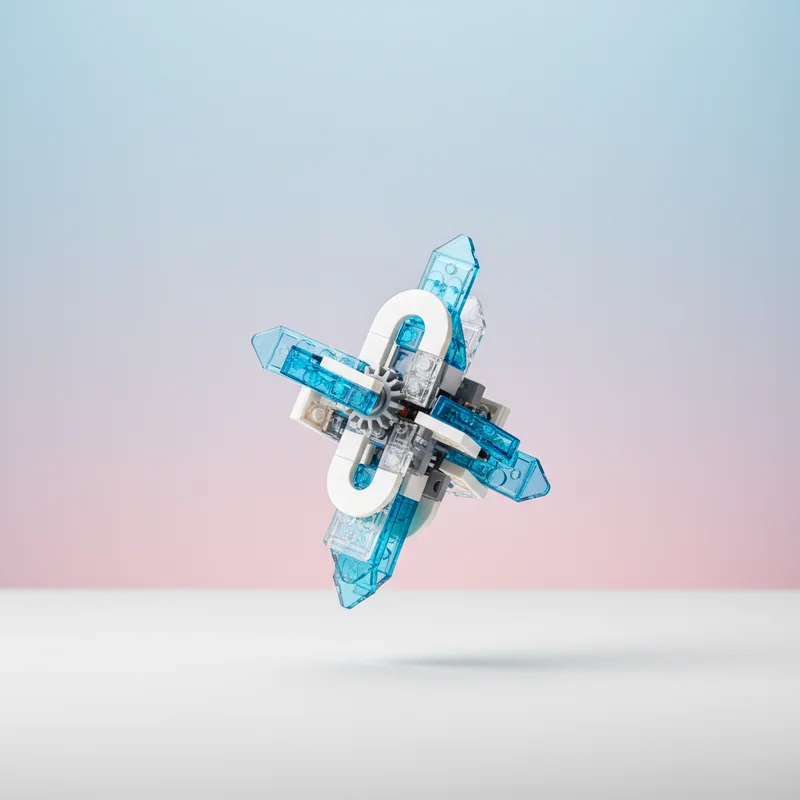
Interlocking plastic bricks and barefoot landmines.

VS
Wolverine

Wolverine

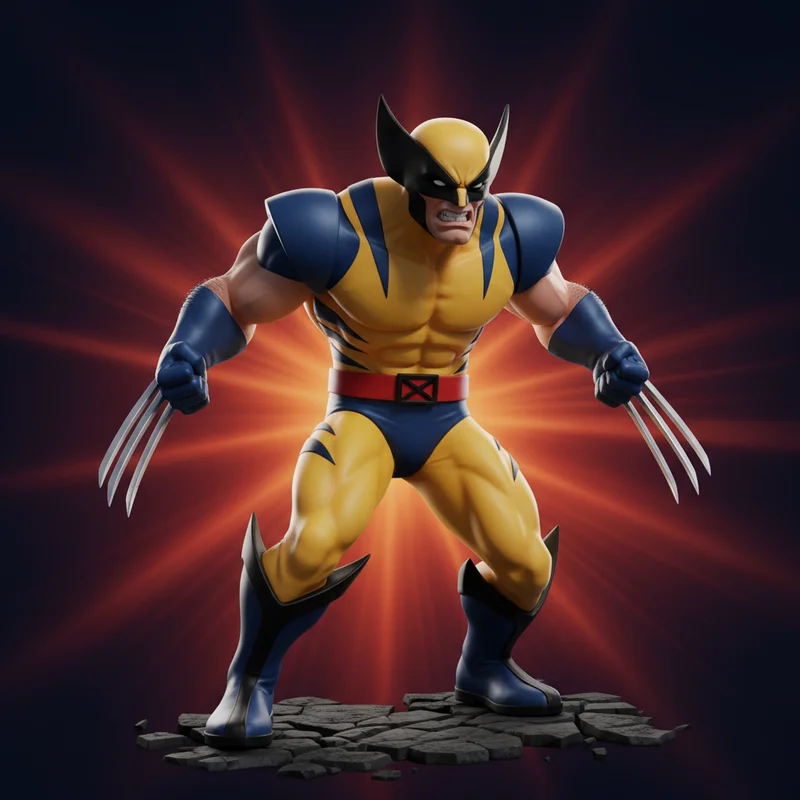
Clawed mutant with regeneration and anger issues.

Battle Analysis

Durability Wolverine Wins
30%
70%
Lego Wolverine

Lego

The Lego brick represents one of humanity's most remarkably resilient consumer products. Laboratory testing has demonstrated that a standard 2x4 brick can withstand approximately 950 pounds of force before structural failure occurs - roughly equivalent to stacking 375,000 identical bricks atop one another. More impressively, bricks manufactured in 1958 remain fully compatible with those produced today, suggesting a longevity that most infrastructure projects can only envy. The material resists fading, cracking, and the enthusiastic abuse of children across generations.

Wolverine

Wolverine's durability exists on an entirely different conceptual plane. His adamantium-laced skeleton renders his bones virtually unbreakable, whilst his mutant healing factor allows him to regenerate from injuries that would categorise most organisms as decisively deceased. Historical records indicate survival of nuclear explosions, decapitation attempts, and having his entire body reduced to its skeletal components. The healing factor operates with such efficiency that ageing itself has largely ceased to apply. One does not outlive an adamantium skeleton; one merely coexists with it.

VERDICT

Whilst Lego resists compression admirably, Wolverine has survived being atomised and simply regrew the inconvenienced tissues.
Economic influence Lego Wins
70%
30%
Lego Wolverine

Lego

The Lego Group commands an empire worth approximately $7.5 billion annually, making it the world's most profitable toy company by significant margins. Licensed sets featuring Star Wars, Harry Potter, and Marvel properties command premium prices that adult collectors pay without apparent psychological distress. The secondary market for rare and discontinued sets rivals fine art in its irrationality. A complete Millennium Falcon set now costs more than many functional vehicles. The addiction economics of Lego collecting have warranted academic study.

Wolverine

As intellectual property, Wolverine has generated billions in revenue for Marvel Entertainment and, subsequently, the Walt Disney Company. Film appearances alone have grossed over $3 billion at the global box office. Merchandise licensing extends from action figures to automotive accessories to questionable Halloween costume variations. However, Wolverine exists as a component of larger franchises rather than a standalone economic entity. His commercial value, whilst substantial, remains derivative of the X-Men and Marvel brands he inhabits.

VERDICT

Lego operates as a self-sufficient economic powerhouse, whilst Wolverine functions as valuable inventory within larger corporate portfolios.
Regenerative capacity Wolverine Wins
30%
70%
Lego Wolverine

Lego

The Lego system possesses a form of structural regeneration that merits serious consideration. Any creation, once destroyed, can be rebuilt identically or reimagined entirely. The bricks themselves suffer no degradation from repeated assembly and disassembly cycles. Lost pieces can be replaced through aftermarket procurement. In this sense, no Lego structure is ever truly destroyed - merely temporarily disassembled. The potential for resurrection remains infinite, limited only by the availability of replacement components and human patience.

Wolverine

Wolverine's healing factor represents biological regeneration elevated to absurdity. Gunshot wounds close within seconds. Severed limbs regrow over hours. Complete physical destruction has been reversed on multiple documented occasions. The healing factor also purges toxins, resists disease, and has kept Wolverine functionally immortal for well over a century. Certain narrative circumstances have suggested that even complete atomic dispersal may not constitute permanent termination. The mechanism defies all known biological principles.

VERDICT

Regrowing one's own skeleton from a single surviving cell rather eclipses the ability to rebuild a plastic castle.
Global cultural impact Lego Wins
70%
30%
Lego Wolverine

Lego

The Lego Group has achieved something approaching cultural ubiquity. With over 600 billion bricks produced, there exist approximately 80 Lego pieces for every human on Earth. The brand has spawned blockbuster films, theme parks across four continents, and a competitive building community that treats brick-stacking as serious athletic endeavour. Legoland attracts millions of pilgrims annually to worship at altars of primary-coloured plastic. The company's rehabilitation from near-bankruptcy in 2003 to the world's largest toy manufacturer represents one of modern business's most remarkable resurrections.

Wolverine

Wolverine has stalked through popular culture since his 1974 debut, becoming arguably the most recognisable X-Man despite arriving rather late to that particular party. Hugh Jackman's seventeen-year portrayal across nine films has etched those adamantium claws into the collective unconscious of multiple generations. The character has generated billions in merchandise, inspired countless Halloween costumes of varying quality, and taught audiences worldwide that Canadian mutants should never be underestimated. His gruff archetype has influenced countless subsequent antiheroes across all media.

VERDICT

Whilst Wolverine dominates superhero culture, Lego has permeated every aspect of childhood globally for six decades.
Offensive capabilities Wolverine Wins
30%
70%
Lego Wolverine

Lego

The offensive potential of Lego exists primarily in the psychological and podiatric domains. A single brick, strategically positioned on a darkened floor, can incapacitate an adult human with remarkable efficiency. The pain response triggered by stepping on a Lego brick has been compared to childbirth by those with no understanding of either experience. Beyond domestic floor warfare, Lego pieces have been weaponised in sibling conflicts throughout recorded history. The sharp corners of certain specialised pieces elevate this threat considerably.

Wolverine

Wolverine's offensive capabilities border on the philosophically problematic. Six foot-long adamantium claws emerge from between his knuckles, each capable of slicing through virtually any known material with disturbing ease. His berserker rage state amplifies his already considerable combat effectiveness to levels that military organisations would find tactically excessive. Centuries of combat experience have refined his killing techniques to an art form. The healing factor ensures he can sustain continuous offensive operations indefinitely without the inconvenience of mortality.

VERDICT

Whilst stepping on Lego causes genuine agony, adamantium claws present somewhat more definitive threat resolution.
👑

The Winner Is

Wolverine

48 - 52

Our comprehensive analysis reveals a contest of unexpectedly balanced proportions. Wolverine claims decisive victories in personal combat effectiveness and biological resilience - categories where few entities can compete with an immortal killing machine. However, Lego demonstrates superiority in cultural penetration and economic self-sufficiency, having built an empire without requiring integration into larger corporate superhero franchises.

The fundamental difference lies in their relationship with destruction and creation. Wolverine excels at surviving destruction; Lego excels at making destruction irrelevant through infinite rebuilding. One represents the pinnacle of individual resilience; the other represents the triumph of collective imagination. Both approaches have proven remarkably successful across decades of continuous operation.

By the narrowest of margins, Wolverine claims victory - his combination of indestructibility and offensive capability providing advantages that plastic, however cleverly designed, cannot entirely overcome.

Lego
48%
Wolverine
52%

Share this battle

More Comparisons