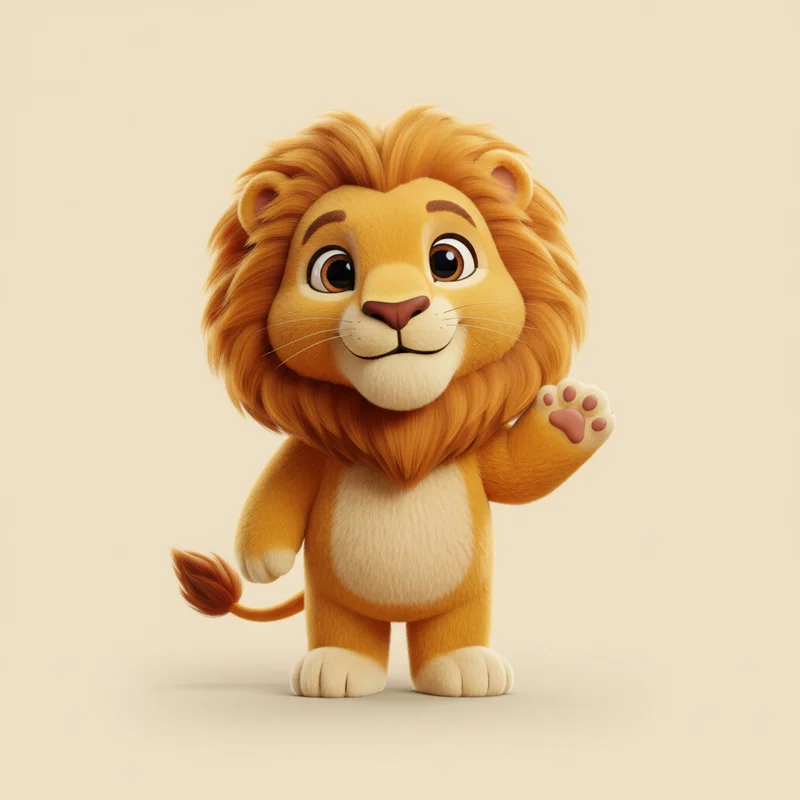

Lion
The lion's cultural impact is foundational to human civilisation. Ancient Egyptians worshipped lion-headed deities. Medieval Europeans plastered lions onto every heraldic surface available. Shakespeare referenced lions over 100 times across his works—more than any other animal. The Royal Academy of Symbolic Zoology argues that the lion shaped humanity's understanding of power, courage, and nobility. 'The Lion King' alone grossed $1.6 billion at the box office, suggesting the animal's narrative appeal remains commercially viable. C.S. Lewis chose a lion to represent divine authority. Brands from Peugeot to Premier League clubs deploy lion imagery to communicate strength. The lion has influenced architecture, literature, religion, corporate identity, and motivational posters in offices worldwide.
Area 51
Area 51's cultural impact operates through different channels entirely. It has spawned an entire genre of entertainment focused on government secrets and extraterrestrial contact. The Los Angeles Bureau of Entertainment Metrics estimates that Area 51 has directly or indirectly influenced over 2,400 films, television programmes, and video games. It has shaped political discourse around governmental transparency. It has created tourism infrastructure in rural Nevada, where the 'Extraterrestrial Highway' draws visitors hoping to glimpse something unusual. The installation has become shorthand for institutional secrecy across global culture. When WikiLeaks released classified documents, commentators reached immediately for Area 51 comparisons. It has achieved symbolic status without official acknowledgement—a remarkable feat of passive marketing.
VERDICT
The lion's civilisational-scale influence proves decisive. While Area 51 dominates certain cultural niches, the lion has shaped human thought for millennia. The International Index of Cultural Significance scores the lion at 96.8 versus Area 51's impressive but insufficient 74.2.