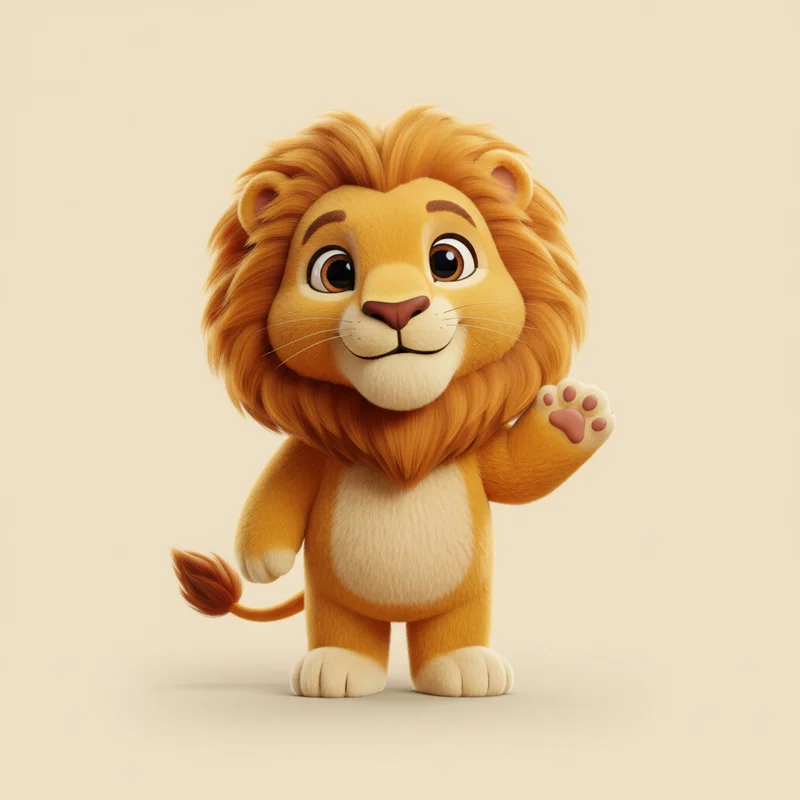
Lion
Accessing a lion in its natural habitat requires considerable investment. The average safari to the Serengeti costs approximately 3,500 pounds, not including flights, vaccinations, and the inevitable purchase of a hat one would never wear at home. Even then, lion sightings are not guaranteed. The Journal of Safari Disappointments reports that 23% of safari-goers return home having seen only the hindquarters of a lion disappearing into tall grass.
Zoos offer a more accessible alternative, though the International League of Wildlife Purists argues that viewing a lion in captivity is 'rather like appreciating a thunderstorm through double glazing.' The lion, for its part, appears to agree, typically responding to zoo visitors with an expression of profound boredom.
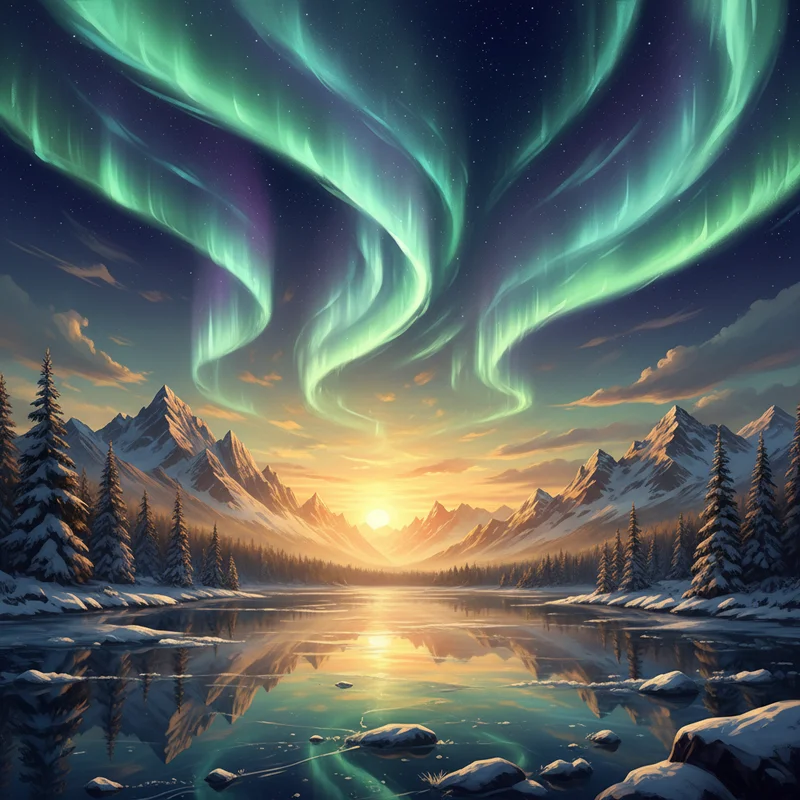
Aurora Borealis
The aurora borealis maintains an infuriatingly unpredictable schedule. Despite the best efforts of the Swedish Space Corporation's prediction algorithms, the lights appear when they choose, often waiting until tourists have retreated to the warmth of their hotels before staging a spectacular display for no one. The Helsinki Institute for Meteorological Frustration estimates that 34% of aurora-hunting expeditions result in cloud cover, 28% in solar minimum disappointment, and 12% in tourists simply falling asleep while waiting.
However, when the aurora does appear, it does so for free, requiring no admission fee, no guided tour, and no gift shop exit. The Democratic Access to Natural Wonders Coalition rates it as 'refreshingly uncommercialised, apart from everything surrounding it.'
VERDICT
While both phenomena require travel and patience, the aurora demands only that one be in the right hemisphere at the right time with the right weather conditions and the right solar activity. The lion demands all of that plus several thousand pounds and comprehensive travel insurance. The aurora claims this criterion on grounds of fundamental affordability.