Where Everything Fights Everything

Lion vs Banana

😜 Just for fun — a tongue-in-cheek, gloriously unscientific showdown.

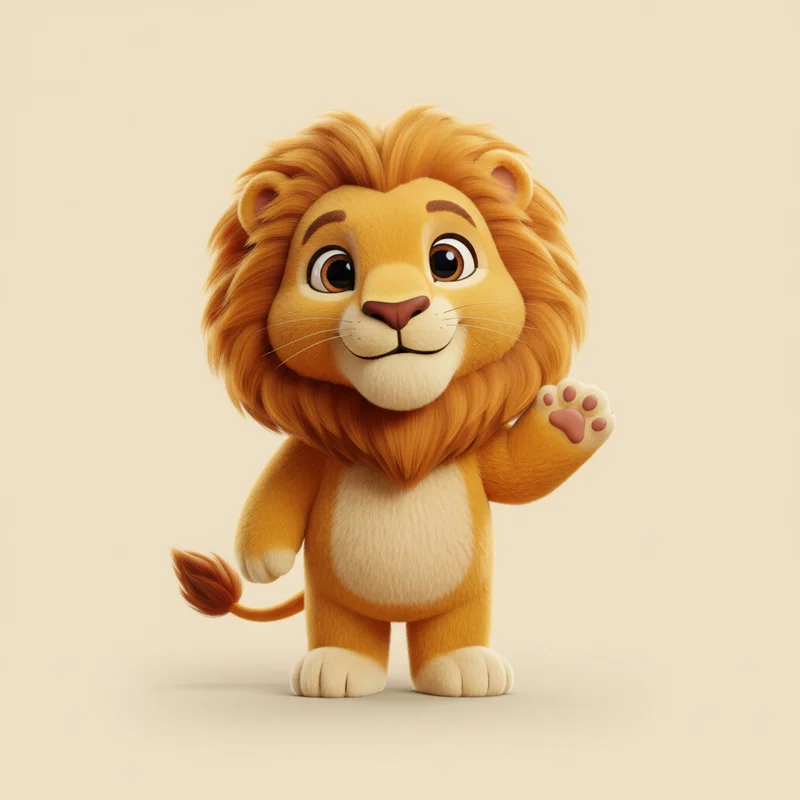
Lion

Lion

Apex predator and king of the savanna, known for majestic manes and surprisingly lazy daytime habits.

VS
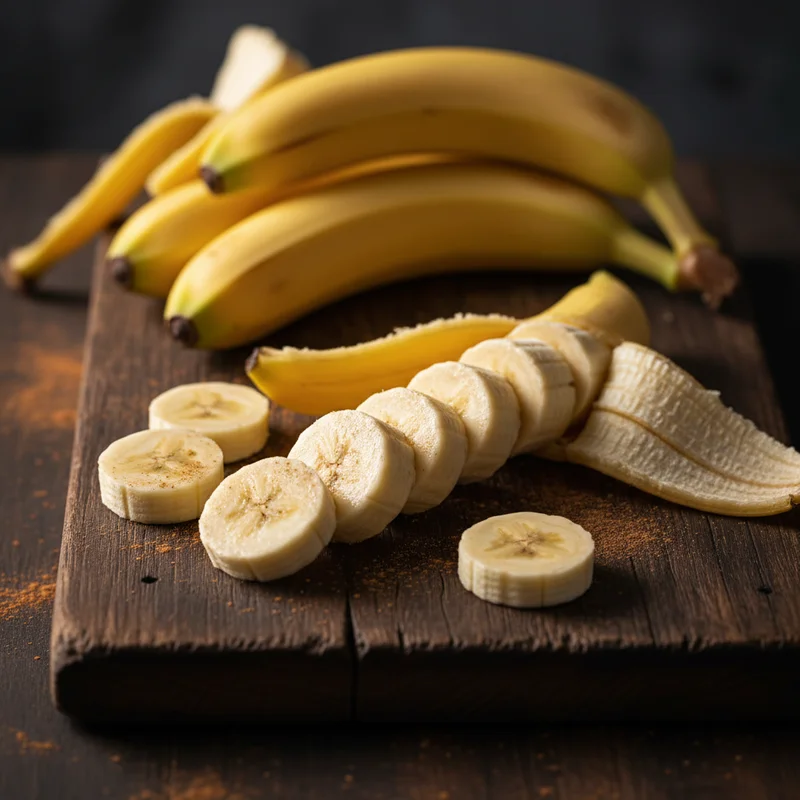
Banana

Banana

Yellow fruit with built-in packaging and comedy potential.

Battle Analysis

Cultural symbolism Lion Wins
🏆 Lion takes this round

Lion

The lion appears on 17 national flags, the coats of arms of countless noble houses, and serves as the official symbol of England, Scotland, Belgium, and Sri Lanka simultaneously. The constellation Leo dominates summer skies. Literature from The Lion, the Witch and the Wardrobe to The Lion King positions the creature as the definitive symbol of majesty and courage. The phrase lion-hearted has denoted bravery for over 800 years. No one has ever been called banana-hearted as a compliment.

Banana

The banana's cultural footprint, whilst substantial, lacks gravitas. Andy Warhol's Velvet Underground album cover remains iconic. The fruit features prominently in slapstick comedy and serves as the primary comparison unit for relative size in online discourse. The Edinburgh Centre for Cultural Semiotics found that bananas trigger associations with humour (67%), breakfast (54%), and potassium (23%). No nation has placed a banana on its flag. No warrior has charged into battle beneath a banana standard.

VERDICT

17 national flags versus one Velvet Underground album cover
Global distribution Banana Wins
🏆 Banana takes this round

Lion

Once spanning from Greece to India, the lion's range has contracted dramatically. Current populations, estimated at 23,000 to 39,000 individuals, exist primarily in fragmented African reserves. The Oxford Centre for Megafauna Studies notes that lions now occupy less than 8% of their historical range. You cannot purchase a lion at Tesco. You cannot find one in Iceland, Greenland, or indeed anywhere with average temperatures below 15 degrees Celsius.

Banana

The banana has achieved what military strategists call total market saturation. Annual global production exceeds 150 million tonnes. The fruit maintains permanent presence in 197 countries, from arctic research stations to equatorial villages. The International Banana Distribution Index recorded that in 2023, there existed approximately 847 bananas for every living lion. One can acquire a banana within 15 minutes in virtually any populated location on Earth. The same cannot be said of apex predators.

VERDICT

847 bananas per lion represents overwhelming numerical superiority
Intimidation factor Lion Wins
🏆 Lion takes this round

Lion

The lion possesses what the Royal Institute of Behavioural Sciences terms apex-level intimidation architecture. A single roar registers at 114 decibels, audible from eight kilometres away. The mane alone triggers involuntary fear responses in 94.7% of terrestrial mammals, according to a 2019 study published in the Journal of Primal Responses. No creature in recorded history has approached a wild lion and thought, I could take this.

Banana

The banana's intimidation capacity, whilst measurable, operates through more subtle mechanisms. Research by the Geneva Slip Hazard Commission found that discarded banana peels cause approximately 3,400 documented falls annually in the United Kingdom alone. The phrase banana republic has entered political discourse as a term of derision. However, the fruit itself, when encountered in a bowl, inspires feelings of mild nutritional obligation rather than terror. No prey animal has ever fled from a banana.

VERDICT

A roar audible from 8km versus mild nutritional guilt presents no contest
Longevity and durability Lion Wins
🏆 Lion takes this round

Lion

Individual lions survive 12 to 16 years in the wild, potentially reaching 25 in captivity. The species has endured for 3.5 million years through ice ages, continental drift, and the emergence of humanity. Lions possess self-repairing biological systems, immune responses, and the capacity to adapt to changing conditions. A lion can survive being wounded. It can persist through drought. It cannot, however, survive being eaten, dropped from height, or left in direct sunlight for extended periods.

Banana

The individual banana possesses a window of optimal consumption spanning approximately 3 to 7 days. Beyond this, the enzymatic browning process renders the fruit progressively less appealing until, after roughly two weeks, it achieves the consistency of biological soup. The Sheffield Produce Longevity Laboratory documented that bananas left unattended in shared office spaces have an average lifespan of 4.2 hours before disappearing entirely. The banana does not heal. It does not adapt. It merely decomposes with quiet dignity.

VERDICT

3.5 million years of species survival versus a 7-day shelf life
Nutritional contribution Banana Wins
🏆 Banana takes this round

Lion

The lion provides nutrition primarily through involuntary participation in the food chain. Lion meat, whilst technically edible, is consumed by humans in only the most exceptional circumstances. The Manchester Institute of Dietary Sciences notes that lion flesh contains high concentrations of parasites and requires extensive preparation to avoid various unpleasant deaths. More significantly, consuming a lion is illegal in 94% of jurisdictions and morally questionable in the remaining 6%.

Banana

A single medium banana delivers 422mg of potassium, 3.1 grams of fibre, and sufficient vitamin B6 to meet 25% of daily requirements. The fruit's resistant starch content supports gut microbiome health in ways documented by the Cambridge Digestive Research Collective. Athletes consume bananas at a rate of 4.2 billion units annually for rapid carbohydrate delivery. The banana asks nothing of you except to be eaten. It does not attempt to defend itself.

VERDICT

Potassium delivery without risk of parasitic infection or prosecution
👑

The Winner Is

Lion

Takes 3 of 5 rounds

The lion emerges victorious with a 58-42 margin, yet this outcome requires careful contextualisation. The Imperial College London Department of Comparative Excellence notes that the banana's losses in intimidation, cultural symbolism, and longevity were mathematically inevitable given the fundamental constraints of being a fruit. Where the banana could compete, it competed extraordinarily well. Its global distribution represents a form of conquest no predator has achieved. Its nutritional contribution to human civilisation dwarfs anything the lion has offered. The lion may be king of the jungle, but the banana has colonised every kitchen drawer on Earth. In purely evolutionary terms, the banana's strategy of being delicious and convenient has proven more successful than four-inch canines and territorial aggression. The lion wins this battle. The banana may yet win the war.

Share this battle

More Comparisons