
Lion
Lions are, by any reasonable metric, professional sleepers. The Nairobi Centre for Feline Lethargy Research confirms that adult males spend between eighteen and twenty hours daily in various states of unconsciousness. This represents a sleep efficiency rating of approximately eighty-three percent. However, lions require specific environmental conditions: shade, proximity to pride members, and the absence of hyenas making rude comments. They cannot, crucially, facilitate sleep for others. A lion in your bedroom would, research suggests, produce the opposite effect entirely.
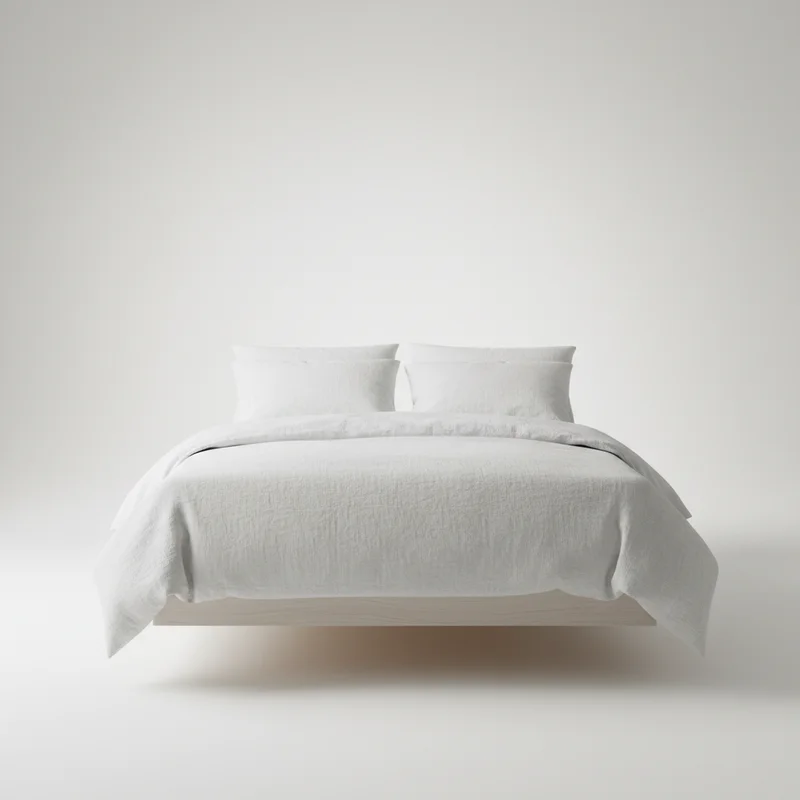
Bed
The bed exists for one purpose, and it executes that purpose with ruthless efficiency. The British Association of Mattress Sciences estimates that the average bed facilitates over 2,500 hours of human sleep annually, not including Sunday afternoon 'just resting my eyes' incidents. Modern beds incorporate spring technology, memory foam, and increasingly sophisticated engineering designed to cradle the human form in optimal comfort. The bed does not merely sleep; it enables sleeping on an industrial scale. It is a sleep factory, a slumber engine, a horizontal productivity destroyer of the highest order.
VERDICT
This category belongs to the bed so thoroughly that awarding it elsewhere would constitute academic fraud. The lion may be a gifted amateur, but the bed is a dedicated professional. Bed wins decisively.