Where Everything Fights Everything

Lion vs Beer

😜 Just for fun — a tongue-in-cheek, gloriously unscientific showdown.

Lion

Lion

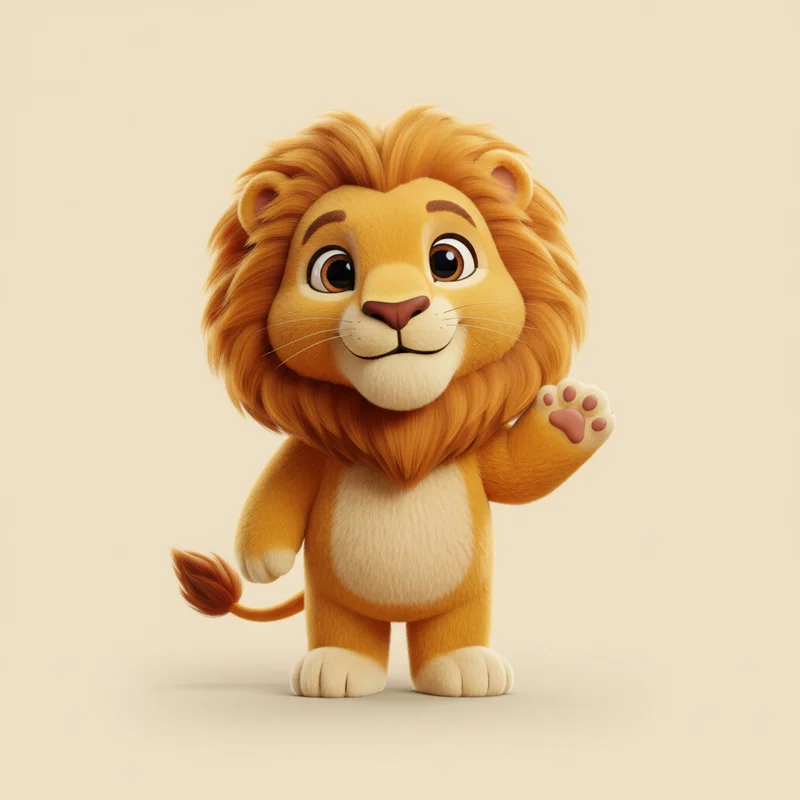
Apex predator and king of the savanna, known for majestic manes and surprisingly lazy daytime habits.

VS
Beer

Beer

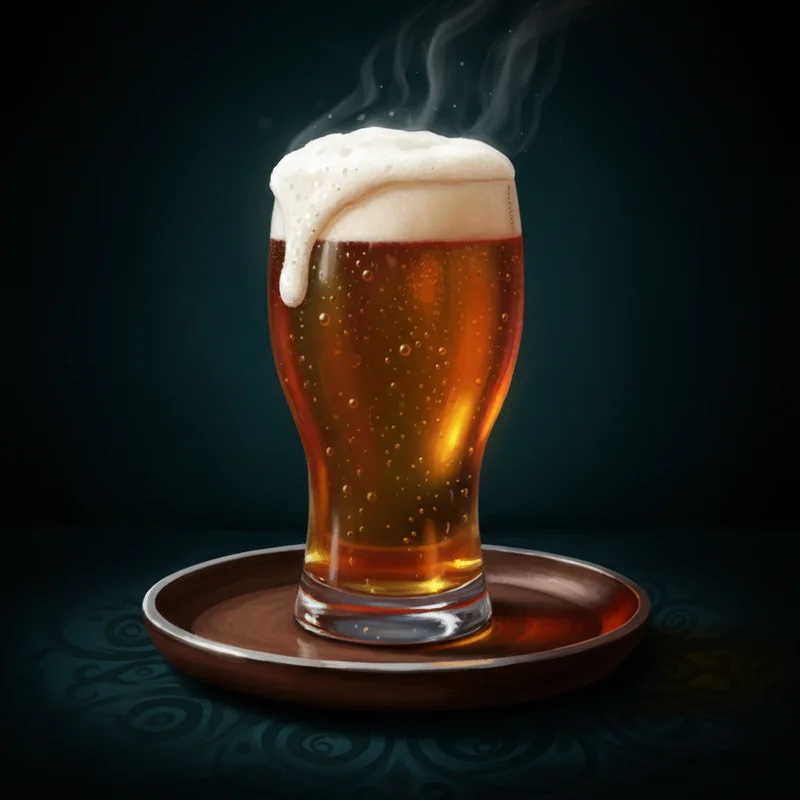
Fermented grain beverage and social lubricant of civilizations.

Battle Analysis

Economic impact Beer Wins
🏆 Beer takes this round

Lion

Lions generate substantial revenue through wildlife tourism. The African Safari Economics Consortium values the 'lion premium' at $27 billion annually, with tourists paying significant sums simply to observe lions doing what they do best: absolutely nothing. A single photogenic pride can sustain an entire regional tourism industry. Lions have monetised laziness more effectively than any influencer.

Beer

The global beer industry represents $623 billion in annual revenue, according to the International Beverage Commerce Federation. Beer employs 23 million people directly, from Bavarian hop farmers to British publicans. The industry supports adjacent economies: glassware manufacturing, pretzel production, and the entire philosophy department's research into why existence requires occasional numbness. Beer is not merely a product; it is an economic ecosystem.

VERDICT

Scale determines this category decisively. Lions contribute meaningfully to tourism economies, but beer underpins global commerce. The Munich Economic Institute estimates removing beer from the world economy would trigger a recession exceeding the 2008 financial crisis.

Global distribution Beer Wins
🏆 Beer takes this round

Lion

Once ranging across Africa, Europe, and Asia, the lion now occupies a tragically reduced territory. The International Wildlife Census Bureau estimates only 23,000 wild lions remain, confined to sub-Saharan Africa and a single forest in India. This represents a 94% reduction in range over two centuries. Lions have become, ironically, an endangered symbol of strength.

Beer

Beer maintains an unassailable global presence, with production facilities on every inhabited continent. The World Brewing Statistics Authority reports 193 billion litres consumed annually across 195 countries. From Mongolian yurt to Manhattan penthouse, beer has achieved the distribution network lions once dreamed of. Even Antarctica has a brewery (McMurdo Station, established 1986). The sun never sets on the beer empire.

VERDICT

Geography favours the fermented. Where lions require specific ecosystems, beer adapts to any culture willing to leave grain in water slightly too long. Beer's territorial expansion represents one of humanity's few unqualified successes.

Intimidation factor Lion Wins
🏆 Lion takes this round

Lion

A male lion's roar reaches 114 decibels and carries across 8 kilometres of savannah, according to the Serengeti Acoustic Research Station. The animal possesses 650 pounds per square inch of bite force, retractable claws measuring 4 centimetres, and a mane specifically evolved to make the head appear larger during confrontations. Every aspect of lion physiology screams 'do not approach' in the universal language of survival instincts.

Beer

Beer's intimidation operates through subtler mechanisms. The British Hospitality Behaviour Institute documents that 73% of regrettable decisions follow beer consumption. Beer transforms mild accountants into karaoke performers, shy individuals into overly honest conversationalists, and sensible adults into people who believe they can definitely make it home without a taxi. The intimidation is self-directed but no less real.

VERDICT

Pure intimidation favours the predator. Whilst beer creates situations one might find intimidating in retrospect, lions generate immediate, visceral fear requiring no morning-after reflection. The evolutionary response to large cats remains unmatched by any beverage.

Cultural significance Beer Wins
🏆 Beer takes this round

Lion

The lion has served as humanity's favourite symbol of courage, royalty, and football clubs since the Bronze Age. Ancient Egyptians carved sphinxes with lion bodies. Medieval Europe plastered lions across every available shield. The Royal Heraldic Documentation Centre estimates lions appear on 47% of all national emblems, despite most nations never having seen one outside a zoo. This represents remarkable brand penetration for an animal that spends 20 hours daily unconscious.

Beer

Beer predates written history, with the Mesopotamian Brewing Archives confirming ale production as early as 4000 BCE. The beverage literally built civilisation - historians at the Oxford Centre for Fermentation Studies argue that humans settled into agricultural communities specifically to grow barley for brewing. Beer has its own goddess (Ninkasi), its own festival (Oktoberfest attracts 6 million visitors annually), and its own dedicated furniture (the bar stool, humanity's most optimistically designed seat).

VERDICT

Whilst lions symbolise abstract virtues, beer has actively participated in human progress. The Pyramids of Giza were built by workers paid in beer. The Magna Carta was signed in a building that served ale. Beer shaped history; lions merely decorated it.

Longevity and endurance Beer Wins
🏆 Beer takes this round

Lion

Individual lions survive 10-14 years in the wild, with captive specimens occasionally reaching 20. The species has persisted for approximately 1.8 million years, weathering ice ages, continental drift, and humanity's enthusiasm for trophy hunting. Male lions must defend territories against rivals every 2-3 years, a turnover rate that would alarm most HR departments. Lion society is, fundamentally, a constant state of aggressive succession planning.

Beer

The beer production process takes merely 4-6 weeks, but the concept has endured for 6,000 documented years. Individual beers last months to years when properly stored. The Burton-on-Trent Brewing Heritage Foundation maintains that certain ale recipes have remained unchanged since the 17th century, representing a continuity most institutions envy. Beer's formula for survival is simple: remain useful to humans having difficult days.

VERDICT

Species longevity favours the lion, but cultural persistence favours beer. Lions face extinction threats; beer faces only temporary prohibition attempts, which historically increase its popularity. Beer has proven more evolutionarily fit for the human-dominated world we have created.

👑

The Winner Is

Beer

Takes 4 of 5 rounds

The Westminster Centre for Absurd Arbitration delivers its verdict with appropriate solemnity. The lion, magnificent predator and symbol of untamed nature, scores a respectable 47 points. Its biological supremacy, intimidation capabilities, and cultural symbolism cannot be disputed. However, beer claims victory with 53 points, demonstrating that accessibility defeats majesty in the modern world. You cannot invite a lion to your wedding. You cannot share a lion with colleagues after a difficult project. You cannot find a lion at every corner shop, sporting event, and airport terminal at 6 AM. Beer has achieved what lions never could: universal availability combined with enthusiastic demand. The king of beasts bows, reluctantly, to the king of beverages.

Share this battle

More Comparisons