Lion
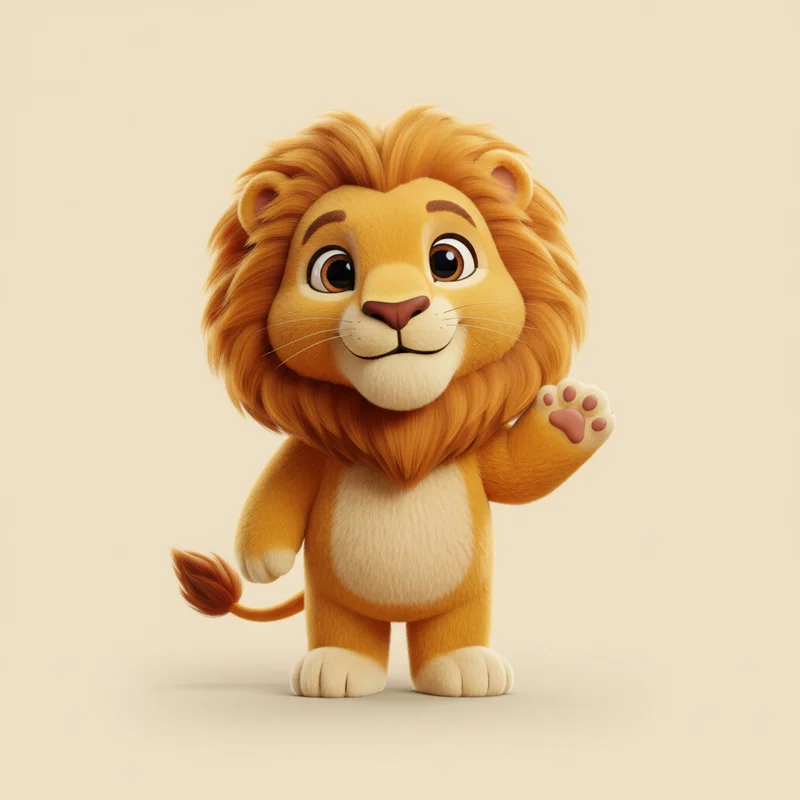
The lion has been central to human symbolism for approximately thirty thousand years, appearing in cave paintings, royal heraldry, national flags, and corporate branding with remarkable consistency. Currently featuring on the national emblems of over fifteen countries, the lion represents courage, royalty, and strength across virtually every human culture that has encountered it. The phrase 'king of the jungle' persists despite lions not actually inhabiting jungles, demonstrating the power of effective early branding.
In modern media, lions have anchored multiple billion-dollar film franchises, from The Lion King to the Narnia series. The MGM lion alone has introduced more films than most actors have appeared in.
Darth Vader
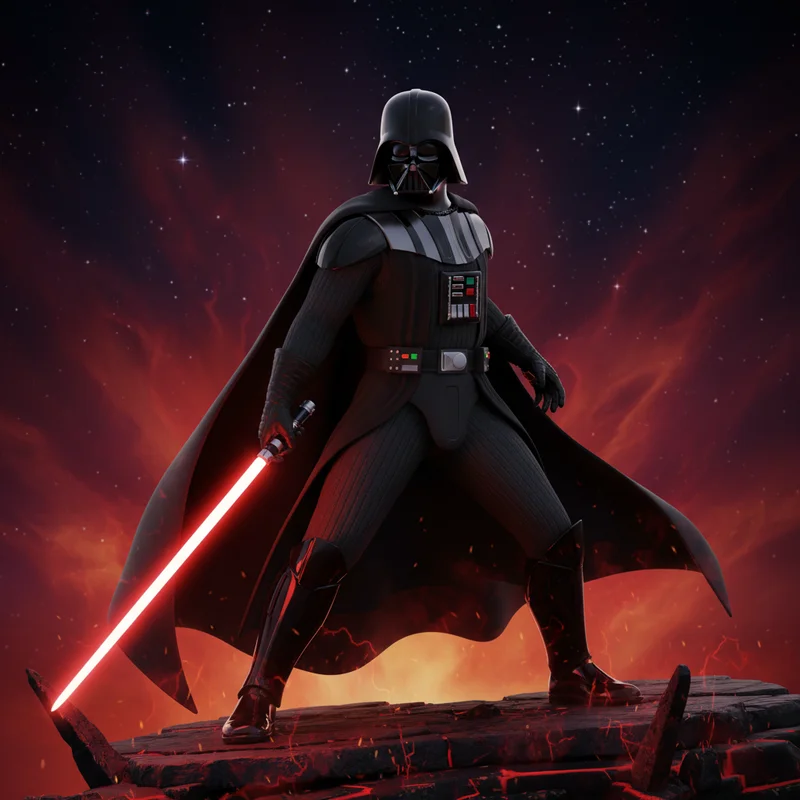
Since his debut in 1977, Darth Vader has become perhaps the most recognisable villain in human storytelling. His image, costume, and breathing have achieved a level of cultural saturation that transcends language barriers, generational divides, and even familiarity with the source material. Children who have never seen Star Wars can identify Vader; adults who saw the original release still purchase his merchandise. The phrase 'I am your father' has been misquoted more times than any line in cinema history.
Vader's influence extends beyond entertainment into political discourse, psychological analysis, and philosophical discussion about redemption, authority, and the nature of evil. Academic papers have been written about his respiratory apparatus alone.
VERDICT
This category proved unexpectedly competitive. While Vader's cultural penetration is extraordinary, it spans merely five decades compared to the lion's thirty millennia of symbolic significance. The lion's presence in human consciousness is archaeologically documented; Vader's, whilst intense, remains historically brief. Longevity trumps intensity in cultural impact assessment.