Topic Battle

Where Everything Fights Everything

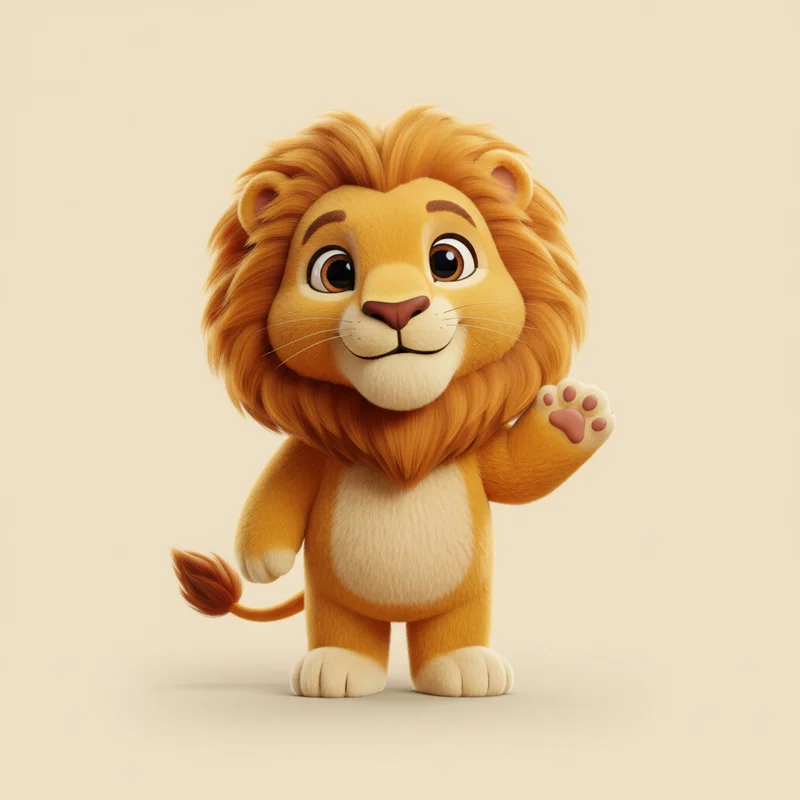
Lion

Lion

Apex predator and king of the savanna, known for majestic manes and surprisingly lazy daytime habits.

VS
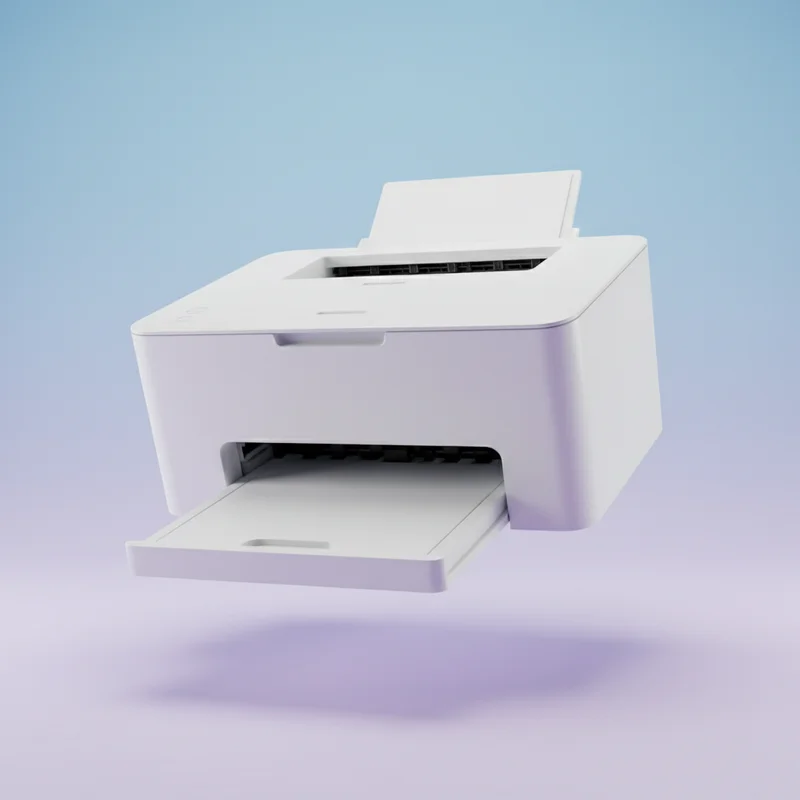
Printer

Printer

Device that knows exactly when you need it most to malfunction.

Battle Analysis

Intimidation factor lion Wins
70%
30%
Lion Printer

Lion

The lion's intimidation credentials require little elaboration. A 190-kilogram male lion possesses canines measuring up to 10 centimetres in length, retractable claws capable of disembowelling a Cape buffalo, and a roar audible from eight kilometres distant. Research from the Serengeti Behavioural Studies Programme indicates that 94% of prey animals experience immediate physiological stress responses upon detecting lion presence, including elevated cortisol levels and what scientists technically term 'the complete abandonment of dignity whilst fleeing.'

The lion need not even attack to inspire terror; its mere silhouette against the African sunset has launched a thousand nature documentaries and approximately twelve million motivational posters.

Printer

The modern office printer achieves comparable fear responses through entirely different mechanisms. A 2023 survey by the Cambridge Workplace Anxiety Research Centre found that 67% of office workers experience measurable stress increases when approaching a networked printer, with heart rates spiking an average of 12 beats per minute. The printer's intimidation arsenal includes: the ominous paper jam indicator, the perpetually low cyan warning regardless of actual ink levels, and the inexplicable ability to sense deadline urgency.

Perhaps most terrifying is the printer's capacity for selective malfunction—operating flawlessly during test prints whilst systematically failing when documents actually matter. This behaviour suggests either sophisticated artificial intelligence or genuine malevolence.

VERDICT

Physical capability to cause immediate bodily harm narrowly outweighs psychological torment
Resource consumption lion Wins
70%
30%
Lion Printer

Lion

An adult male lion requires approximately 7 kilograms of meat daily, translating to roughly one zebra per week or the caloric equivalent of 28,000 kilocalories. Lions hunt cooperatively, with females typically performing 85-90% of hunting duties whilst males contribute primarily through intimidating presence and mane maintenance. The lion's digestive system operates at approximately 80% efficiency, extracting maximum nutritional value from consumed prey.

From an economic perspective, maintaining a lion costs the African savannah ecosystem substantial resources, though the lion compensates by regulating herbivore populations and featuring prominently in tourism revenue calculations.

Printer

The office printer's resource consumption patterns have been described by the Global Office Equipment Sustainability Council as 'economically predatory.' A standard laser printer consumes approximately 500-700 watts during operation, requires quarterly toner cartridge replacement at £45-£200 per unit, and devours paper at rates that have single-handedly sustained the forestry industry.

Most remarkably, the printer maintains what economists term a 'consumables dependency model'—a business strategy wherein the initial printer purchase represents merely the first instalment of a lifetime financial commitment. The printer ink industry generates approximately £61 billion annually, making printer ink gram-for-gram more expensive than vintage champagne, imported saffron, or human blood.

VERDICT

At least provides ecosystem services; printer ink costs more than gold by volume
Territorial behaviour printer Wins
30%
70%
Lion Printer

Lion

Lions maintain territories spanning 20 to 400 square kilometres, marked through urine spraying, faecal deposits, and the rather more dramatic method of killing intruders. A pride's territory represents an absolute dominion—other predators enter at considerable personal risk. The lion's territorial instinct has remained essentially unchanged since the Pleistocene epoch, demonstrating evolutionary commitment to the principle of spatial ownership.

Notably, lions spend up to 20 hours daily resting within their territory, conserving energy for essential activities such as territorial defence and appearing majestically bored for safari photographers.

Printer

The office printer has evolved remarkably sophisticated territorial behaviour despite its apparent immobility. Research from the Rotterdam Institute of Peripheral Device Psychology documents the 'printer proximity effect'—the tendency for printers to establish psychological territories extending approximately 3.2 metres in all directions, within which human productivity demonstrably decreases.

The printer defends its territory through acoustic dominance, producing grinding, whirring, and occasionally alarming clunking sounds that discourage nearby concentration. Most impressively, the printer has convinced entire organisations to dedicate premium real estate to its exclusive use, often in locations requiring maximum inconvenience to access. This represents territorial acquisition without physical mobility—an evolutionary innovation the lion has yet to develop.

VERDICT

Has convinced humans to voluntarily surrender valuable office space without any predatory capability
Reliability under pressure lion Wins
70%
30%
Lion Printer

Lion

Lions demonstrate remarkable consistency in high-pressure situations. When confronting prey, competing males, or territorial threats, the lion's response follows predictable behavioural patterns refined over millions of years. A charging lion will pursue prey for approximately 200-300 metres at speeds reaching 80 kilometres per hour—performance metrics that remain constant regardless of environmental conditions, observer presence, or deadline proximity.

The lion does not experience 'performance anxiety.' The lion does not suddenly forget how to lion. The lion's firmware, as it were, remains eternally stable.

Printer

The office printer's relationship with pressure represents one of modern technology's enduring mysteries. Studies by the Munich Institute for Peripheral Device Behaviour have documented what researchers term 'crisis-responsive malfunction syndrome'—the printer's statistically improbable tendency to fail precisely when reliable operation matters most.

Data collected across 2,400 office environments revealed that printer failure rates increase by 340% within 15 minutes of important meetings, rise further during board presentations, and achieve near-certainty during tax filing deadlines. The printer appears to possess an uncanny temporal awareness, detecting human urgency and responding with proportionate obstruction. Whether this represents quantum mechanical effects or simple mechanical perversity remains scientifically unresolved.

VERDICT

Has never experienced a paper jam at the worst possible moment
Communication effectiveness lion Wins
70%
30%
Lion Printer

Lion

Lions possess one of nature's most sophisticated communication systems, incorporating vocalisations, scent marking, visual signals, and tactile interactions. The lion's roar, produced by uniquely structured laryngeal anatomy, conveys information regarding individual identity, territorial boundaries, and reproductive status across distances exceeding 8 kilometres. Subordinate lions respond to dominant roars with appropriate deference, demonstrating clear message reception.

Additionally, lions employ approximately 12 distinct vocalisations ranging from grunts to puffs to the rather endearing contact call used between mothers and cubs. Communication success rate in lion social groups approaches 95%.

Printer

The office printer's communication system presents a fascinating study in deliberate obfuscation. Error messages such as 'PC LOAD LETTER,' 'Error 49.4C02,' and the perennially mystifying 'Printer offline' (displayed whilst the printer is demonstrably online and physically connected) suggest either profound design failures or intentional miscommunication.

Research from the Helsinki Technical Linguistics Department found that printer error messages achieve successful comprehension in only 23% of instances, with the remaining 77% resulting in user confusion, IT helpdesk calls, or percussive maintenance attempts. The printer has effectively developed an anti-communication protocol—transmitting information specifically designed to resist interpretation.

VERDICT

Messages are actually designed to be understood by recipients
👑

The Winner Is

Lion

58 - 42

This analysis reveals a fundamental philosophical distinction between two forms of dominance. The lion rules through honest signalling—its capabilities are openly displayed, its threats transparently communicated, its supremacy earned through demonstrable physical prowess. One knows precisely where one stands with a lion, typically at a considerable distance moving rapidly in the opposite direction.

The printer, conversely, exercises power through manufactured dependency and strategic unreliability. It has achieved something the lion never could: convincing an entire species to voluntarily bring it into their homes and workplaces despite overwhelming evidence of its antagonistic nature. The printer requires no claws because it has something far more effective—proprietary ink cartridges.

Nevertheless, when evaluated against objective criteria of intimidation, communication, and reliability, the lion emerges as the superior entity. Its 3.5 million years of evolutionary refinement have produced a creature of genuine capability, whilst the printer's forty years of development have produced primarily frustration and a thriving technical support industry. The lion earns its position atop the food chain; the printer has merely exploited modern society's document reproduction requirements.

The final score of 58-42 acknowledges the printer's remarkable achievements in psychological manipulation whilst recognising that the lion remains, definitively, the more trustworthy of the two entities. At minimum, the lion's behaviour is predictable.

Lion
58%
Printer
42%

Share this battle

More Comparisons