
Topic Battle

Where Everything Fights Everything

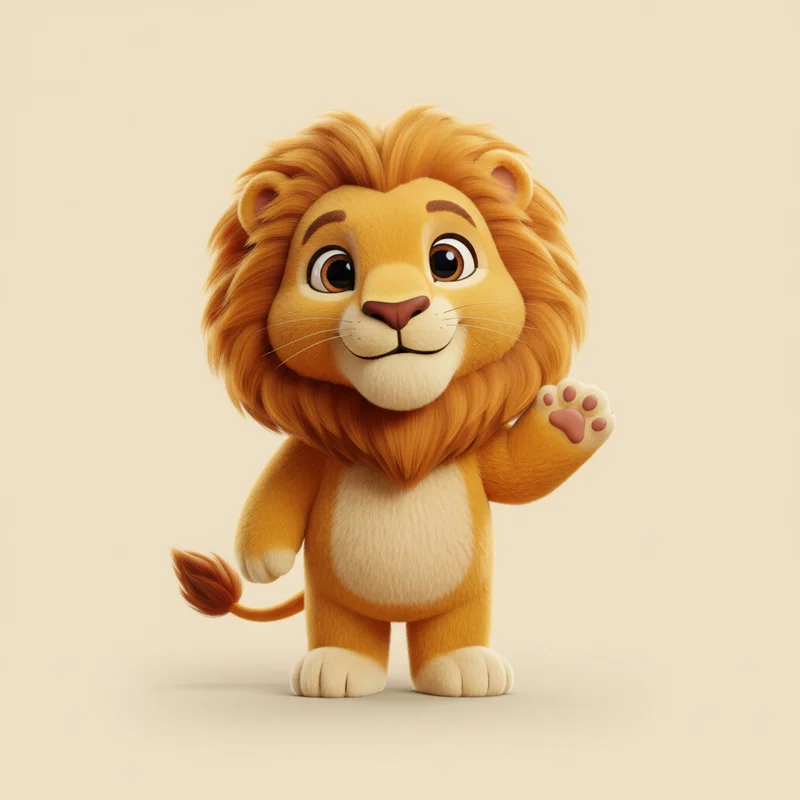
Lion

Lion

Apex predator and king of the savanna, known for majestic manes and surprisingly lazy daytime habits.

VS
Procrastination

Procrastination

The art of doing everything except the one thing you should be doing. A universal human experience that has spawned more clean apartments, reorganized sock drawers, and Wikipedia deep dives than any productivity method ever could.

Battle Analysis

Longevity procrastination Wins
30%
70%
Lion Procrastination

Lion

Individual lions rarely exceed 15 years in the wild, with males typically surviving 10-12 years due to territorial conflicts. The species itself has persisted for approximately 1.8 million years, demonstrating remarkable evolutionary staying power despite ice ages, prey extinctions, and dramatic climate shifts.

However, current population trends raise concerns about long-term species viability. With fewer than 25,000 wild individuals remaining, the lion's multi-million-year legacy faces unprecedented challenges from habitat fragmentation and human-wildlife conflict.

Procrastination

Procrastination has accompanied human consciousness since its emergence, making it approximately 300,000 years old in its current form. However, the underlying impulse to delay non-essential activity likely predates humanity itself, representing an ancient cognitive feature shared across many species.

More significantly, procrastination faces no extinction threat whatsoever. No conservation programme targets its elimination; no habitat loss reduces its range. As long as humans possess the capacity for future planning and the freedom to delay action, procrastination's survival is absolutely guaranteed.

VERDICT

Procrastination faces zero extinction risk while lion populations decline annually.
Adaptability procrastination Wins
30%
70%
Lion Procrastination

Lion

The modern lion faces significant adaptive challenges. Habitat loss has reduced their range by over 90 percent since historical peaks. Climate change threatens prey populations, and human encroachment continues to compress viable territories. Conservation efforts have stabilised some populations, but the species remains classified as vulnerable.

Lions require specific environmental conditions: adequate prey density, sufficient territory, and minimal human conflict. Their adaptive toolkit, while impressive within these parameters, struggles against anthropogenic pressures that fall outside evolutionary experience.

Procrastination

Procrastination demonstrates remarkable adaptive fitness across all human technological eras. When scrolls replaced oral traditions, procrastination adapted. When printing presses accelerated information distribution, procrastination found new vectors. The digital age, with its infinite scroll feeds and notification systems, has proven to be procrastination's most hospitable environment yet.

Each productivity tool designed to combat procrastination becomes another surface for it to colonise. Task management applications, calendar reminders, and accountability systems all provide new opportunities for creative delay. Procrastination evolves faster than the solutions designed to eliminate it.

VERDICT

Procrastination thrives in every technological era while lions face mounting existential pressures.
Energy efficiency procrastination Wins
30%
70%
Lion Procrastination

Lion

Lions have evolved extraordinary energy conservation strategies, spending up to 20 hours daily in rest states. This extreme efficiency allows them to survive periods between kills, which can extend to two weeks. The lion's metabolic strategy prioritises burst expenditure over sustained activity.

However, when action becomes necessary, lions demonstrate prodigious energy output. A charging lion can reach 80 kilometres per hour in short bursts. This feast-or-famine approach represents a highly specialised form of energy management.

Procrastination

Procrastination achieves its objectives through zero energy expenditure. It requires no calories, no metabolic processes, and no physical infrastructure whatsoever. It is, in thermodynamic terms, the most efficient force in nature, accomplishing territorial dominance through pure inaction.

The energy savings extend beyond procrastination itself to its host organisms. Humans engaged in procrastination typically redirect energy toward low-demand activities: scrolling, snacking, reorganising already-organised spaces. The system optimises for minimal cognitive load while maintaining the illusion of productivity.

VERDICT

Procrastination achieves total dominance through literally zero energy expenditure.
Global recognition procrastination Wins
30%
70%
Lion Procrastination

Lion

The lion maintains an extraordinary position in human consciousness, appearing on national flags, corporate logos, and sporting emblems across continents. From the British royal coat of arms to the MGM film introduction, this species has achieved near-universal symbolic recognition.

However, the lion's fame relies heavily on human curation. Without zoos, documentaries, and deliberate preservation efforts, many populations would struggle to maintain cultural relevance. The lion's recognition, while impressive, requires active maintenance and promotion by human institutions.

Procrastination

Procrastination requires no marketing budget, no conservation programme, and no awareness campaigns. It exists in every language, every culture, and every historical period where humans have attempted to accomplish tasks. The phenomenon predates written history; archaeologists have discovered evidence of delayed pyramid construction schedules.

Unlike the lion, procrastination needs no introduction. Every adult human has experienced its effects firsthand, typically multiple times per day. It transcends linguistic and cultural barriers with effortless universality, requiring zero promotional infrastructure to maintain its global presence.

VERDICT

Procrastination achieves universal recognition without requiring any external promotion or conservation effort.
Intimidation factor lion Wins
70%
30%
Lion Procrastination

Lion

Few sounds in nature rival the psychological impact of a lion's roar, which can reach 114 decibels and travel up to eight kilometres across open terrain. The combination of massive canines, retractable claws, and a body weight exceeding 190 kilograms creates an immediate and visceral fear response in prey species.

The lion's intimidation operates through sensory overwhelm: visual confirmation of size, auditory assault of the roar, and the primal recognition that one is facing an apex predator. This is intimidation in its most honest, unambiguous form.

Procrastination

Procrastination's intimidation operates through an entirely different mechanism: temporal dread. It does not threaten immediate physical harm but rather the slow, creeping certainty that consequences will compound. The anxiety of an approaching deadline, the weight of accumulating responsibilities, the knowledge that today's delay becomes tomorrow's crisis.

Unlike the lion's brief moment of terror, procrastination's intimidation extends indefinitely. It can maintain psychological pressure for days, weeks, or months, creating a persistent background radiation of guilt that no roar could sustain.

VERDICT

The lion delivers immediate, visceral intimidation that triggers genuine survival instincts.
👑

The Winner Is

Procrastination

45 - 55

The data presents an unexpectedly clear picture. While Panthera leo commands immediate respect through physical prowess and symbolic majesty, the lion's domain shrinks annually. Procrastination, by contrast, expands its territory with each new productivity application, each additional responsibility, each moment of human consciousness capable of contemplating future tasks.

The lion's power is concentrated but geographically limited, requiring specific ecosystems and prey populations to sustain itself. Procrastination knows no such constraints. It operates in boardrooms and bedrooms, in silicon valley and subsistence farms, in the minds of schoolchildren and world leaders alike. It is, in territorial terms, the most successful coloniser in human history.

This analysis concludes that procrastination represents the more formidable entity when measured across adaptability, energy efficiency, longevity, and global recognition. The lion remains nature's most magnificent predator; procrastination remains humanity's most reliable companion. In the contest between physical dominance and cognitive ubiquity, the abstract phenomenon claims victory through sheer inescapability.

Lion
45%
Procrastination
55%

Share this battle

More Comparisons