Lion
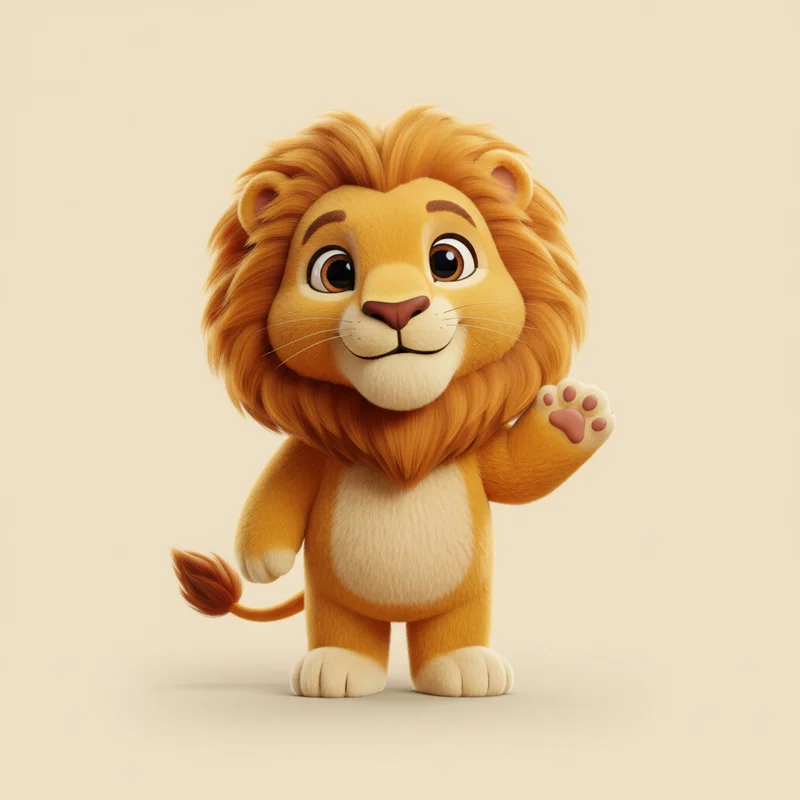
The lion demonstrates a hunting success rate of approximately 25-30% when operating in coordinated pride formations, according to field data from the Serengeti Lion Research Programme. A single lion requires roughly 5-7 kilograms of meat daily, necessitating a kill approximately every three to four days. The pursuit phase typically lasts under two minutes, with lions preferring to ambush rather than engage in prolonged chases due to their limited stamina reserves.
However, environmental factors significantly impact performance. Drought conditions, prey migration patterns, and the inconvenient presence of Crocuta crocuta (spotted hyenas) can reduce success rates to below 15%. The lion, for all its majesty, remains frustratingly dependent on circumstance.
Smartphone
The smartphone achieves a capture rate exceeding 96.7% when targeting human attention, according to the Institute for Behavioural Technology at Uppsala. The average user checks their device 144 times daily, with the median time between captures measuring just 6.3 minutes during waking hours. Unlike the lion, the smartphone requires no rest period between hunts.
The device employs sophisticated neural targeting mechanisms, including variable reward schedules, social validation loops, and the strategically timed deployment of notification sounds engineered at frequencies that bypass conscious resistance. Research from the Munich Technical University's Department of Algorithmic Predation confirms that smartphone attention capture operates with mechanical precision that biological hunters simply cannot match.