Where Everything Fights Everything

Lion vs Whiskey

😜 Just for fun — a tongue-in-cheek, gloriously unscientific showdown.

Lion

Lion

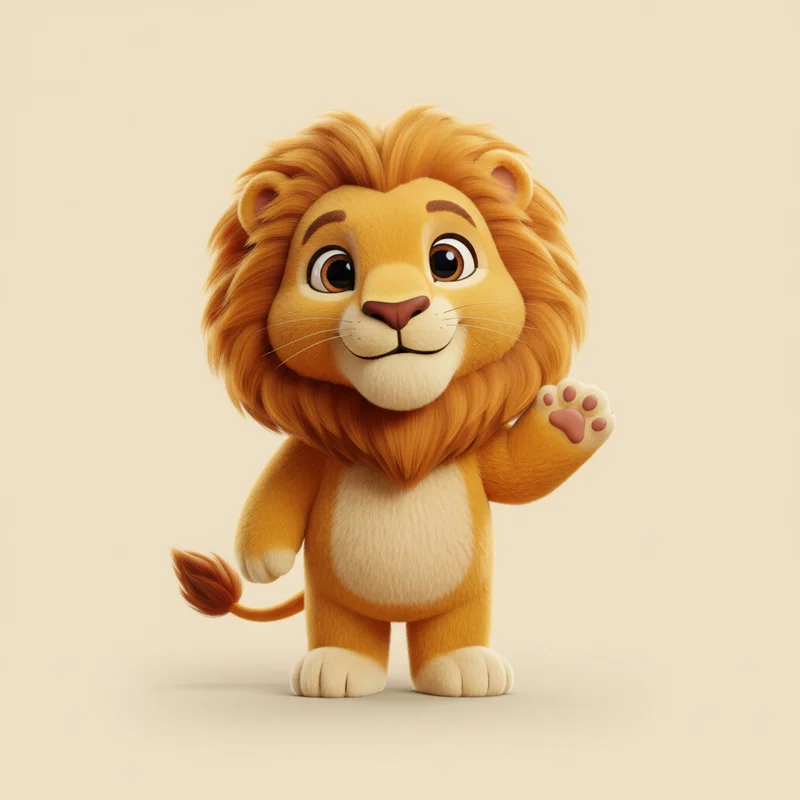
Apex predator and king of the savanna, known for majestic manes and surprisingly lazy daytime habits.

VS
Whiskey

Whiskey

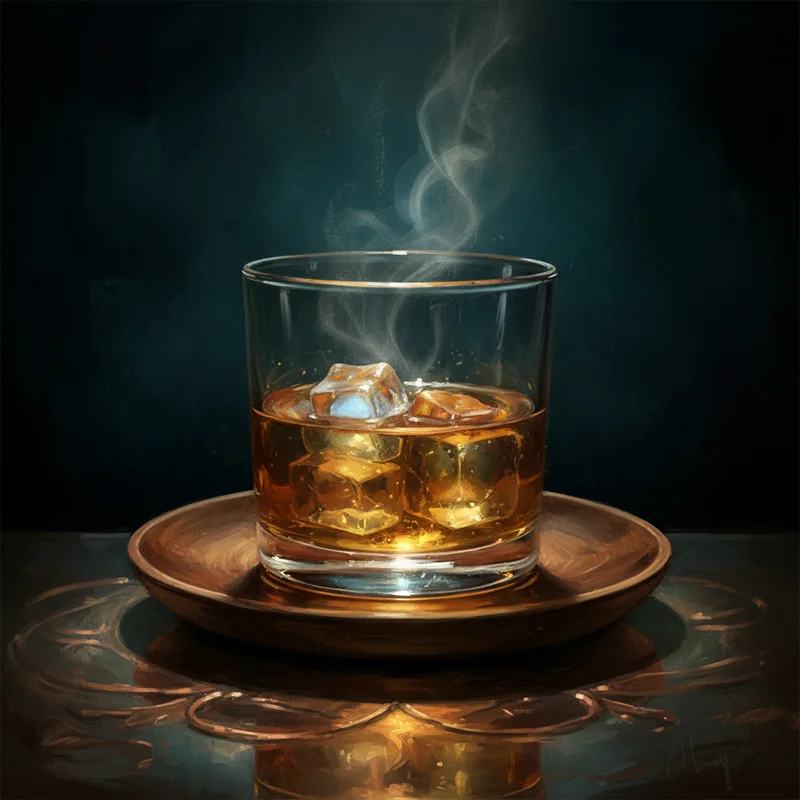
Distilled spirit aged in barrels and sipped slowly.

The Matchup

In the annals of human fascination, few subjects command such reverent attention as the African lion and the amber nectar of distilled grain. Both have inspired poetry, sparked wars, and convinced otherwise sensible individuals to make questionable decisions. One weighs approximately 190 kilograms and possesses retractable claws capable of disembowelling a wildebeest. The other comes in a glass and makes you believe you could fight one.

This documentary examination ventures into territory that science has, until now, wisely avoided. Through rigorous analysis of Panthera leo and Spiritus frumenti, we shall determine which golden entity truly deserves humanity's devotion.

Battle Analysis

Longevity Whiskey Wins · 70%
30%
70%
Lion Whiskey

Lion

Individual lions survive approximately 10-14 years in the wild, though captive specimens have reached their mid-twenties. The species itself has prowled Earth for some 3.5 million years, demonstrating remarkable staying power despite humanity's best efforts to the contrary.

Lion populations have declined by 43% since 1993, a statistic that should concern anyone who appreciates apex predators maintaining their rightful position in the ecosystem. Conservation efforts continue, though the lions themselves seem unaware of their precarious status.

Whiskey

A well-stored whiskey can remain drinkable for centuries. Bottles from the 1800s occasionally surface at auction, commanding prices that would fund a small hospital. The oldest known whiskey dates to 1843 and remains theoretically consumable, though doing so would require explaining to accountants why you drank forty thousand pounds.

The distillation process itself has persisted since medieval monks discovered that fermented grain, when boiled and condensed, produced something considerably more interesting than beer. This technology has survived plagues, wars, and temperance movements.

VERDICT

Whilst lions measure their existence in mere decades, whiskey transcends generations. A bottle purchased today may outlive your grandchildren. This remarkable preservation, combined with the industry's survival through prohibition, earns whiskey the victory.

Raw power Lion Wins · 65%
65%
35%
Lion Whiskey

Lion

The lion's credentials in this department are, one might say, unimpeachable. A bite force of 650 PSI can crush bone with the casual indifference of a banker foreclosing on a mortgage. The male lion's roar reaches 114 decibels, audible from eight kilometres away, which remains the most effective method of announcing one's presence since the invention of the car alarm.

A full charge from an adult male lion achieves speeds of 80 kilometres per hour. This is significantly faster than the average human can run, a fact that has ended numerous arguments throughout evolutionary history.

Whiskey

Whiskey's power operates through more insidious channels. A standard measure contains sufficient ethanol to impair judgment within fifteen minutes, whilst a bottle can incapacitate a rugby team. The spirit's true potency lies in its ability to convince the drinker that they possess powers they manifestly do not.

Cask-strength expressions reaching 60% ABV have been known to strip paint, clean wounds, and fuel impromptu philosophical debates about the nature of existence. The substance is technically flammable, though setting fire to good Scotch is considered a war crime in Highland culture.

VERDICT

Whilst whiskey can certainly floor a man, the lion can do so with considerably more finality. The cat's power is immediate, undeniable, and does not require the victim to voluntarily consume it. Lion prevails, though whiskey receives credit for trying.

Economic impact Whiskey Wins · 75%
25%
75%
Lion Whiskey

Lion

Safari tourism generates approximately twelve billion dollars annually across Africa, with the lion serving as the primary attraction. Tourists will pay extraordinary sums to observe large cats sleeping for twenty hours daily, an activity they could witness at home with any domestic cat and considerably less malaria risk.

Lions also support substantial conservation industries, employment for rangers, and a thriving market in wildlife photography equipment. The indirect economic footprint extends to documentary production, merchandise, and veterinary services for creatures that would eat their doctors if given the opportunity.

Whiskey

Global whiskey sales exceeded seventy billion dollars in 2023, making it one of humanity's most successful voluntary taxation schemes. Scotland alone exports five billion pounds annually, whilst American bourbon has become the nation's most valuable alcoholic export after itself.

The whiskey industry employs hundreds of thousands directly, with countless more in adjacent sectors: barrel manufacturing, glass production, marketing agencies dedicated to photographing bottles near fireplaces, and medical professionals treating the consequences of enthusiastic consumption.

VERDICT

The numbers speak with uncomfortable clarity. Whilst lions inspire tourism, whiskey has constructed an economic empire spanning continents. Humanity spends six times more on distilled grain than on observing apex predators. Whiskey dominates this criterion with the inevitability of compound interest.

Social dynamics Lion Wins · 60%
60%
40%
Lion Whiskey

Lion

Lions operate in prides, complex social structures featuring dominant males, cooperating females, and cubs who must prove themselves worthy of continued existence. The male lion's primary contributions involve roaring, mating, and occasionally eating cubs sired by rivals, a management style that has fallen out of favour in modern workplaces.

Female lions conduct 90% of hunting operations, working in coordinated teams to bring down prey significantly larger than themselves. The males then arrive to eat first, a dynamic that persists in certain industries to this day.

Whiskey

Whiskey creates social bonds through shared consumption rituals. The dram offered to a stranger becomes a gesture of trust; the bottle opened at a wake serves as liquid commemoration. Whiskey clubs, tasting societies, and informal gatherings around a bottle have replaced the village green as centres of community discourse.

The spirit facilitates conversations that sobriety forbids. Business deals, romantic confessions, and long-suppressed grievances all flow more freely after the third glass. Whether this represents progress remains debatable.

VERDICT

Lions have perfected social organisation over millions of years. Whiskey merely loosens the social organisation humans have. The pride's coordinated hunting and communal cub-rearing demonstrate sophistication that a bottle, however old, cannot replicate. Lion takes this criterion.

Cultural influence Whiskey Wins · 65%
35%
65%
Lion Whiskey

Lion

The lion has been humanity's favourite symbol for approximately four thousand years. It adorns the flags of Sri Lanka, the coat of arms of England, and the entrance to countless municipal libraries. Simba taught an entire generation about the circle of life, whilst Aslan taught them about messianic allegory.

From the gates of Babylon to the MGM logo, the lion represents courage, nobility, and the unshakeable confidence of creatures that have never been made redundant. Seventy-three nations incorporate lions into their heraldry, despite most having never seen one outside a zoo.

Whiskey

Whiskey has shaped literature, music, and foreign policy in equal measure. Hemingway wrote drunk, Churchill governed drunk, and the entire American prohibition era proved that banning whiskey merely makes it more desirable. The spirit has inspired approximately forty thousand country songs, all essentially about the same three subjects.

Scotland's economy remains structurally dependent on whiskey exports, whilst Kentucky has made bourbon a cornerstone of regional identity. The substance has launched ships, sealed treaties, and ruined a statistically significant number of Christmas dinners.

VERDICT

The lion may adorn more flags, but whiskey has written more history. Every significant political negotiation of the past three centuries has involved some quantity of distilled spirits. Whiskey claims this round, owing to its active participation in human affairs rather than mere symbolic representation.

👑

The Winner Is

Whiskey

Takes 3 of 5 rounds

Our investigation concludes with a verdict that will comfort distillery shareholders and unsettle safari enthusiasts in equal measure. Whiskey claims victory three rounds to two, besting the lion in Cultural Influence, Longevity, and Economic Impact — the criteria that measure an entity's grip on civilisation rather than its grip on a wildebeest.

The lion fought admirably, taking Raw Power and Social Dynamics with the authority of a creature that has never needed a marketing budget. Yet whiskey's economic empire — six times the value of all lion-related tourism — its centuries-long shelf life, and its structural role in human history and decision-making proved the more consequential force. One golden entity inspires us; the other has quietly been running things all along.

Share this battle

More Comparisons