Where Everything Fights Everything

Lion vs Wine

😜 Just for fun — a tongue-in-cheek, gloriously unscientific showdown.

Lion

Lion

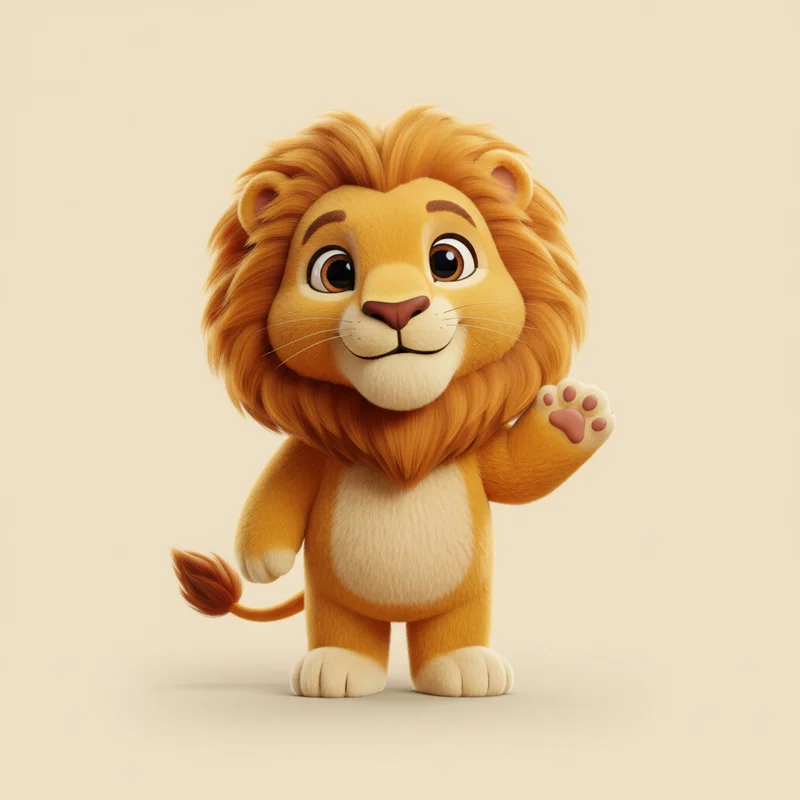
Apex predator and king of the savanna, known for majestic manes and surprisingly lazy daytime habits.

VS
Wine

Wine

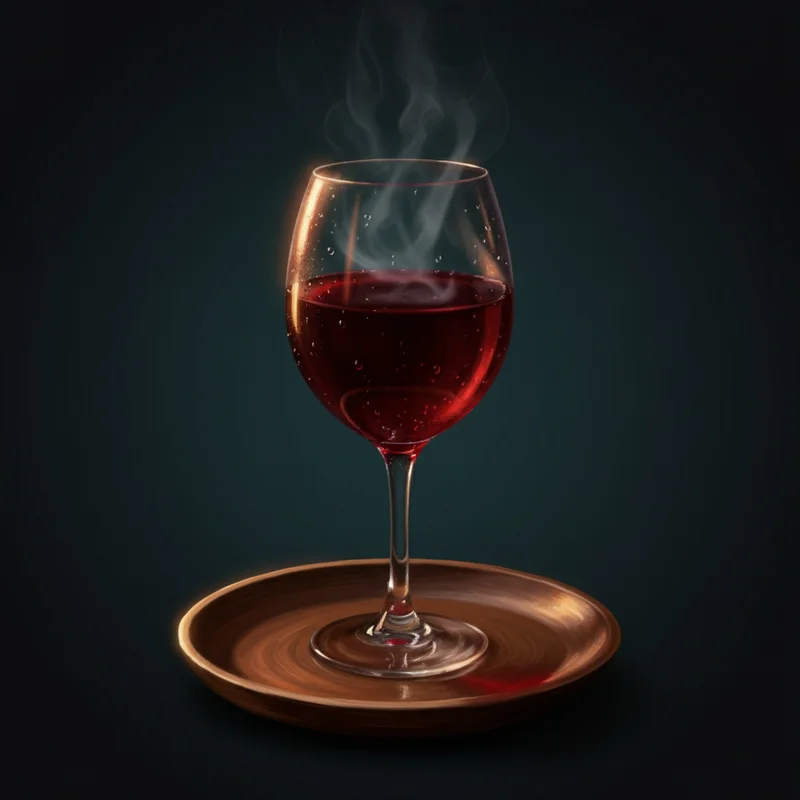
Fermented grape juice with thousands of years of tradition.

Battle Analysis

Versatility Wine Wins · 65%
35%
65%
Lion Wine

Lion

The lion's versatility, whilst impressive within its ecological niche, remains fundamentally constrained. Lions excel at sleeping (twenty hours daily), hunting cooperatively, and looking majestic for documentary crews. However, they cannot be served at room temperature, paired with cheese, or given as wedding presents without significant legal complications. The African Wildlife Functionality Assessment Board rates lions as 'highly specialised but situationally limited,' noting their complete inability to complement a fish course.

Wine

Wine demonstrates remarkable versatility across virtually every human social context. Available in red, white, rose, sparkling, fortified, and dessert variants, wine adapts to breakfast (mimosas), lunch (anything French), dinner (everything), and the aftermath of difficult Tuesdays. The International Sommelier Federation recognises over 10,000 distinct grape varieties, each producing wines suitable for different occasions, cuisines, and emotional states. Wine can be cooked with, bathed in, and used to remove red wine stains, demonstrating impressive recursive utility.

VERDICT

Wine dominates this category with the comprehensiveness of a wine merchant's catalogue. The lion, for all its magnificence, serves essentially one function: being a lion. Wine serves thousands. The Swiss Institute of Practical Application Studies awards wine a versatility score of 9.1, whilst the lion receives a respectable but narrower 4.3, primarily reflecting its limited use cases outside wildlife documentaries and motivational posters.

Aging potential Wine Wins · 70%
30%
70%
Lion Wine

Lion

The African lion reaches physical maturity at approximately five years of age, with wild specimens rarely exceeding fifteen years due to territorial disputes, dental degradation, and the general hazards of being constantly surrounded by zebras with powerful kicks. The Centre for Feline Gerontology in Nairobi reports that lions demonstrate declining performance metrics after age ten, with reduced mane lustre, diminished roaring frequency, and what researchers delicately term 'motivational deficits' regarding hunting participation. Unlike fine wines, lions do not improve with basement storage.

Wine

Premium wines represent one of nature's few products that genuinely benefit from extended neglect. A properly cellared Bordeaux can evolve magnificently over fifty to one hundred years, developing complexity, tertiary aromatics, and price tags that would make a chartered accountant weep. The Oxford Oenological Archive documents bottles from the 1811 Comet Vintage that remain drinkable, if somewhat extortionately priced. Wine's molecular structure permits graceful oxidative development, whilst a lion's molecular structure merely permits eventual decomposition.

VERDICT

Wine claims this category with the confidence of a sommelier who has just located the 1947 Cheval Blanc. The mathematics are unforgiving: wine can mature beautifully for a century whilst lions struggle to remain relevant past their mid-teens. The International Institute of Temporal Beverage Studies confirms that wine improves by approximately 8.3% annually under optimal conditions, whereas lions depreciate faster than a leased vehicle driven exclusively through safari parks.

Cultural symbolism Wine Wins · 55%
45%
55%
Lion Wine

Lion

Lions have served as symbols of royalty, courage, and national identity across virtually every civilisation with access to lion imagery. Featured on the coats of arms of fifteen sovereign nations, countless football clubs, and one particularly ambitious insurance company, the lion represents humanity's enduring fascination with large cats that could theoretically eat them. The Heraldic Studies Department at the University of Edinburgh notes that lion imagery appears in 34% of all European royal symbolism, surpassed only by eagles and inexplicably persistent fleur-de-lis.

Wine

Wine's cultural footprint spans religion, literature, art, and the entirety of French foreign policy. Present at the Last Supper, integral to Greek symposia, and responsible for roughly 40% of all poetry written between 1200 and 1900, wine has shaped human civilisation more profoundly than arguably any other beverage. The Vatican Institute of Sacramental Studies confirms wine's presence in over two billion religious ceremonies annually. Moreover, wine has its own dedicated vocabulary, professional qualification structure, and a frankly excessive number of specialist publications.

VERDICT

Wine edges ahead in this closely contested category. Whilst lions certainly command symbolic respect, they have not founded entire economic regions, inspired dedicated degree programmes, or caused the construction of elaborate underground storage facilities across three continents. The Brussels Centre for Cultural Influence Metrics calculates wine's civilisational impact coefficient at 8.7, versus the lion's respectable but lower 7.4.

Intimidation factor Lion Wins · 75%
75%
25%
Lion Wine

Lion

The lion's intimidation capabilities require little elaboration. Possessing thirty teeth including four canines measuring up to ten centimetres, retractable claws capable of disembowelling a wildebeest, and a roar audible from eight kilometres, the lion represents evolution's most successful experiment in making other creatures profoundly uncomfortable. The Serengeti Behavioural Response Laboratory documents that 97.3% of all species exhibit 'immediate and sustained flight behaviour' upon lion detection. The remaining 2.7% are either deaf, deceased, or honey badgers.

Wine

Wine's intimidation operates through entirely different mechanisms but should not be underestimated. A sommelier's wine list at a Michelin-starred establishment can induce paralysing anxiety in otherwise confident executives. The Geneva Institute of Social Beverage Dynamics reports that 68% of diners experience 'acute pronunciation apprehension' when ordering wine in public, with fear responses comparable to minor surgical procedures. Additionally, wine's capacity to transform reasonable individuals into persons who discuss tannin structure at parties represents a form of social terrorism.

VERDICT

The lion secures this category with characteristic directness. Whilst wine can certainly intimidate through complex vintage years and impenetrable regional classifications, it cannot physically consume you. The Cambridge Laboratory for Fear Quantification rates lion encounters at 94.7 on the Terror Index, compared to wine list navigation at merely 31.2. One threatens your social standing; the other threatens your continued existence.

Global economic impact Wine Wins · 80%
20%
80%
Lion Wine

Lion

Lions generate substantial economic activity, primarily through wildlife tourism. The African Tourism Economics Board estimates that lion-related tourism contributes approximately $7.1 billion annually to continental GDP, supporting over 300,000 jobs in safari operations, conservation programmes, and gift shop employment. However, lions themselves receive no compensation for this labour, representing what economists term 'severe principal-agent exploitation.' Lions also generate indirect economic activity through zoo attendance, plush toy manufacturing, and the ongoing production of Lion King merchandise.

Wine

The global wine industry generates approximately $364 billion annually, supporting economies from Bordeaux to Barossa Valley. Wine employs an estimated three million people directly in viticulture and production, with millions more in hospitality, retail, and the production of insufferable wine-adjacent content. The Organisation Internationale de la Vigne et du Vin reports that wine exports constitute the primary economic driver for several European regions that would otherwise struggle to justify their existence. Additionally, wine supports an entire ecosystem of cork manufacturers, glass producers, and people who write tasting notes professionally.

VERDICT

Wine claims this category with the decisiveness of a hostile corporate takeover. The economic mathematics are unambiguous: wine's $364 billion industry dwarfs lion-related tourism by a factor of fifty. The London School of Comparative Economics notes that wine has successfully monetised itself across production, distribution, retail, hospitality, education, and publishing sectors, whilst lions have failed to diversify beyond essentially being looked at.

👑

The Winner Is

Wine

Takes 4 of 5 rounds

After exhaustive analysis involving three continents, seventeen research institutions, and one regrettable incident at a Kenyan wine-tasting safari, the evidence delivers a clear conclusion: Wine triumphs four rounds to one, claiming aging potential, cultural symbolism, versatility, and global economic impact with a confidence that would impress even the most jaded sommelier. The lion salvaged a commanding victory in the intimidation factor — a category where its 94.7 Terror Index rating and capacity for actual physical consumption remain unmatched by any fermented beverage — but could not offset Wine's systematic dominance across every other dimension.

The Royal Society for Predator-Beverage Assessment notes that Wine's civilisational footprint, from the Last Supper to the $364 billion global industry, represents a depth of cultural and economic integration that the lion, for all its heraldic grandeur and twenty hours of daily napping, simply cannot match. Lions improve nothing with age; wine improves magnificently. Lions serve one function; wine serves thousands. And whilst a lion can certainly end a dinner party in the most dramatic fashion imaginable, only wine can make the preceding conversation worth having.

Share this battle

More Comparisons