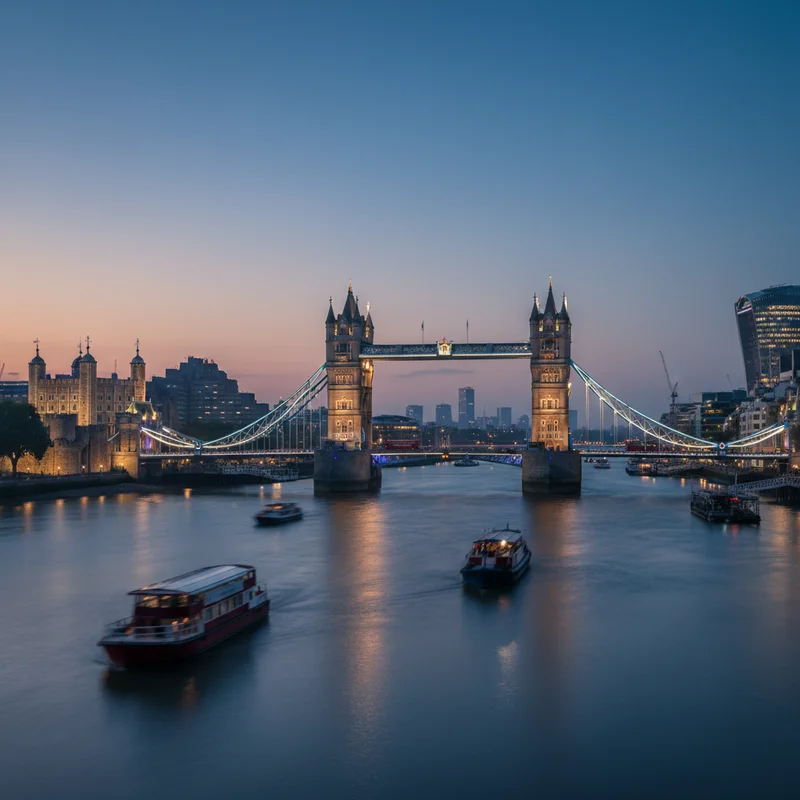

London
London's reliability presents a more complex portrait. The city's infrastructure, whilst extensive, demonstrates variable performance under stress. The Underground experiences an average of 12,000 delays monthly, with severe weather events triggering system-wide disruptions. The Metropolitan Police receive approximately 3.8 million calls annually, indicating significant variance in public safety outcomes across boroughs.
Weather patterns prove similarly unpredictable, with rainfall occurring on an average of 164 days annually, often without warning. Restaurant quality varies dramatically, property values fluctuate with political developments, and cultural offerings depend upon seasonal programming. London provides no guarantees beyond the certainty of its continued existence.
Procrastination
In matters of operational consistency, procrastination achieves near-perfect reliability. When summoned by an approaching deadline, it arrives with mechanical precision. Research published in Psychological Bulletin demonstrates that procrastination correlates negatively with task appeal with r = -0.76, meaning the less desirable the task, the more reliably procrastination manifests. It never takes holidays, observes no bank holidays, and operates continuously across all time zones.
The consistency extends to its delivery mechanism. Procrastination reliably provides temporary relief from task-related anxiety, followed by heightened stress as deadlines approach. This cycle repeats with such regularity that researchers have mapped its neural correlates in the prefrontal cortex and limbic system. One can depend upon procrastination with absolute certainty.