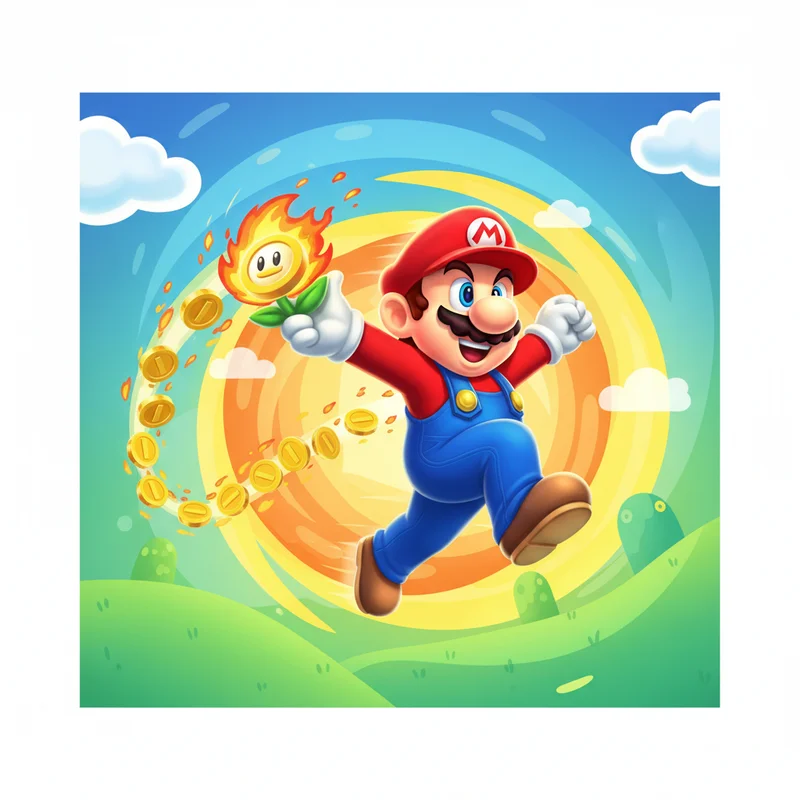
Mario
The economic machinery surrounding Mario represents one of entertainment's most efficient value-generation systems. Nintendo's market capitalisation—substantially attributable to Mario properties—exceeds $60 billion. The character has driven hardware sales across nine console generations, with each major Mario release historically correlating with significant platform adoption spikes. Super Mario Bros. alone has sold over 58 million copies, whilst the broader franchise exceeds 800 million units.
Mario's merchandising empire generates an estimated $1.5 billion annually, spanning toys, clothing, food products, and home furnishings. The character's licensing agreements with companies ranging from Lego to Mercedes-Benz demonstrate his unique position as a brand-safe, universally appealing intellectual property. His contribution to Japan's gross domestic product has been the subject of serious economic analysis.
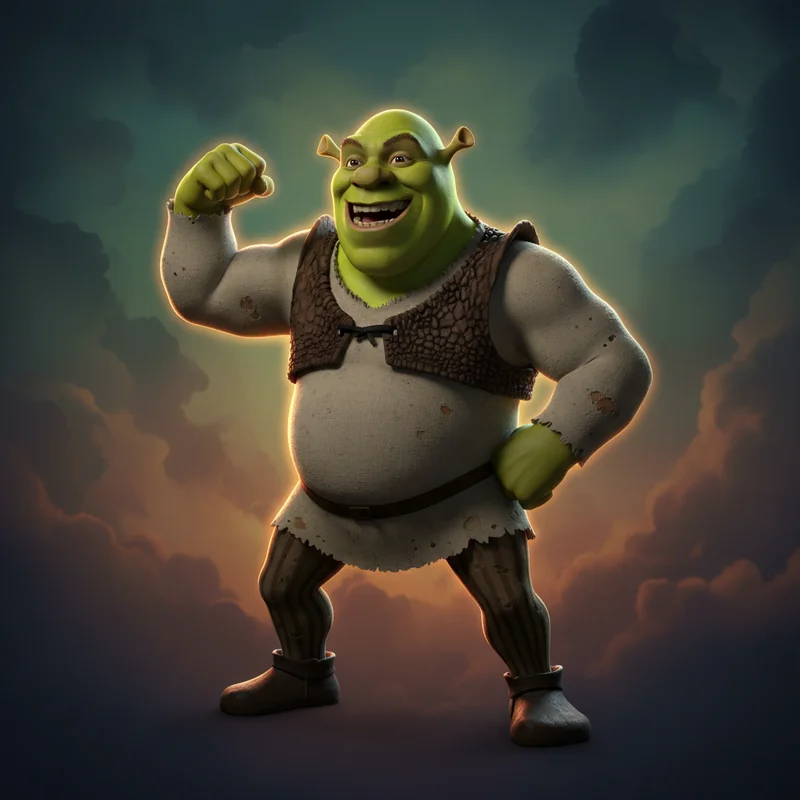
Shrek
Shrek's economic impact, whilst substantial, operates on a fundamentally different scale. The four theatrical films generated approximately $3.5 billion in box office revenue, with the original and second instalments both ranking amongst the highest-grossing animated films of their respective years. DreamWorks Animation's corporate valuation during the Shrek era was substantially underpinned by the franchise's continued viability.
However, Shrek's merchandising potential has always faced inherent limitations. His deliberately unappealing physical design—whilst narratively essential—complicates his deployment across product categories where aesthetic appeal drives purchasing decisions. The franchise's decline following the fourth film demonstrates the vulnerability of character-based IP without continuous content refreshment, a challenge Mario has navigated across four decades.