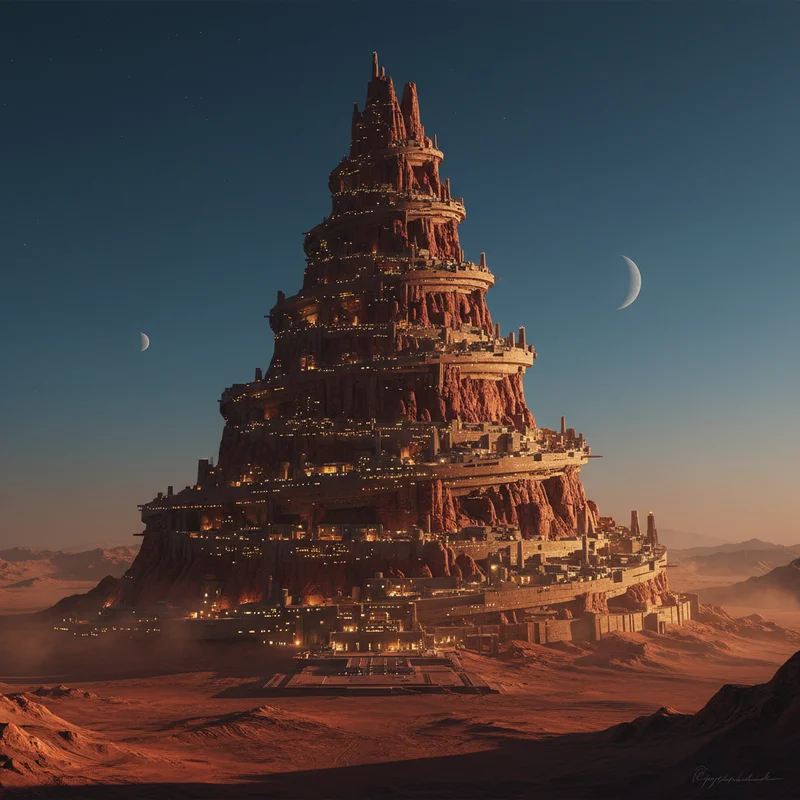

Longevity
Mars Wins
Mars takes this round
Mars
Mars possesses longevity operating on scales that render human timekeeping virtually meaningless. The planet formed approximately 4.6 billion years ago from the same primordial disc that birthed our solar system. Its surface bears craters from impacts occurring hundreds of millions of years past, preserved by the near-absence of geological activity. Projections suggest Mars shall persist for billions of years hence, ultimately meeting its end only when our Sun expands into a red giant. Such temporal persistence dwarfs every human endeavour, every civilisation, every species that has walked our planet.
Procrastination
Procrastination, whilst lacking geological permanence, demonstrates remarkable durability within the human experience. Archaeological evidence suggests procrastinatory behaviour predates written language, with unfinished stone tools and abandoned construction projects littering prehistoric sites. The phenomenon has persisted through every advancement in productivity methodology, from the invention of the clock to digital task management systems. Indeed, each new tool designed to combat procrastination seems only to provide novel avenues for its expression. Its persistence suggests a fundamental quality embedded within human cognition.
VERDICT
Mars has existed for 4.6 billion years; procrastination merely for the duration of human consciousness.