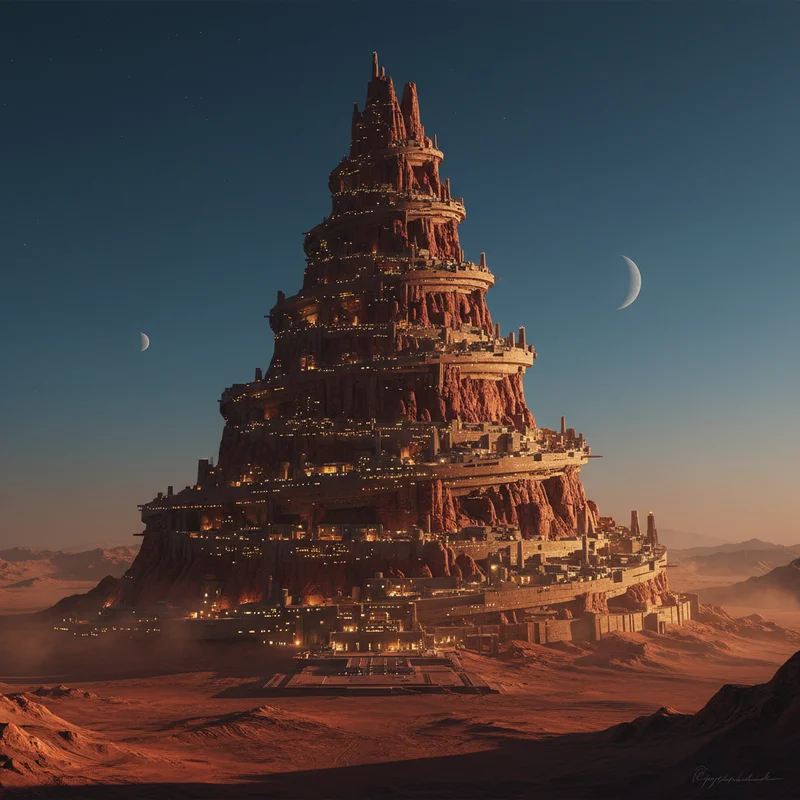

Mars
Mars presents formidable accessibility challenges that have thus far defeated human ambition entirely. The planet orbits between 54.6 and 401 million kilometres from Earth, requiring launch windows that occur only every 26 months. A crewed mission demands technology not yet fully developed, life support systems capable of years-long operation, and solutions to radiation exposure that currently do not exist. The estimated cost exceeds 100 billion pounds. As of 2024, precisely zero humans have visited Mars. Our only emissaries are robotic rovers that cannot return, ambassadors to a world we have seen but never touched.
Time
Time achieves the remarkable feat of being maximally accessible yet completely ungovernable. Every conscious being experiences time continuously without interruption. No equipment is required, no special training necessary. Time streams through human awareness from the first moment of consciousness until the last. Yet this accessibility grants no control whatsoever. Humans cannot pause time, cannot reverse it, cannot store unused hours for later deployment. We experience time with complete intimacy whilst remaining utterly powerless to influence its flow. The most accessible phenomenon in existence is also the least controllable.