Topic Battle

Where Everything Fights Everything

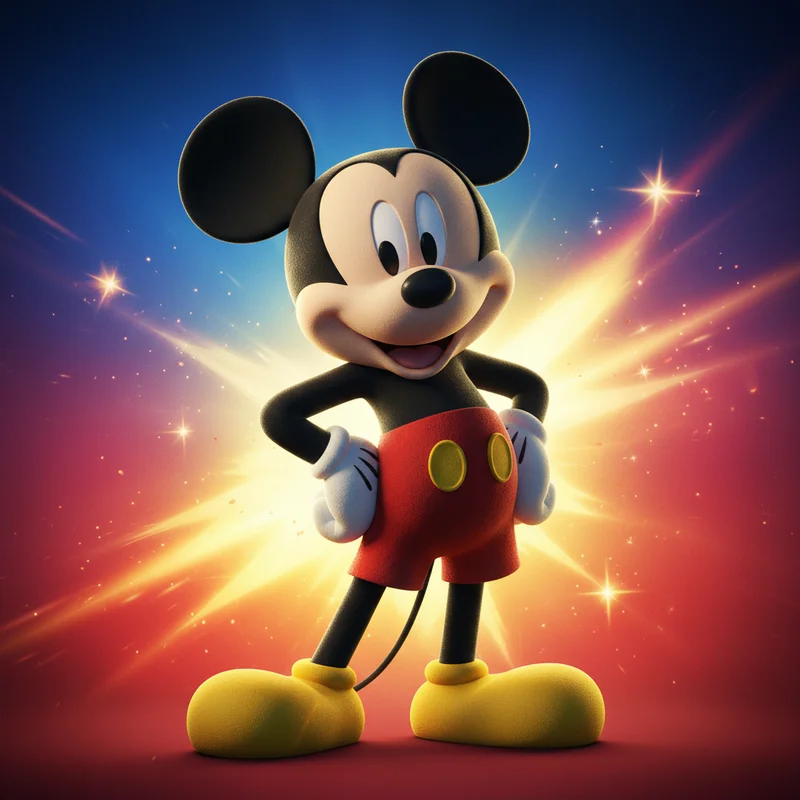
Mickey Mouse

Mickey Mouse

Disney's original mascot and corporate icon.

VS
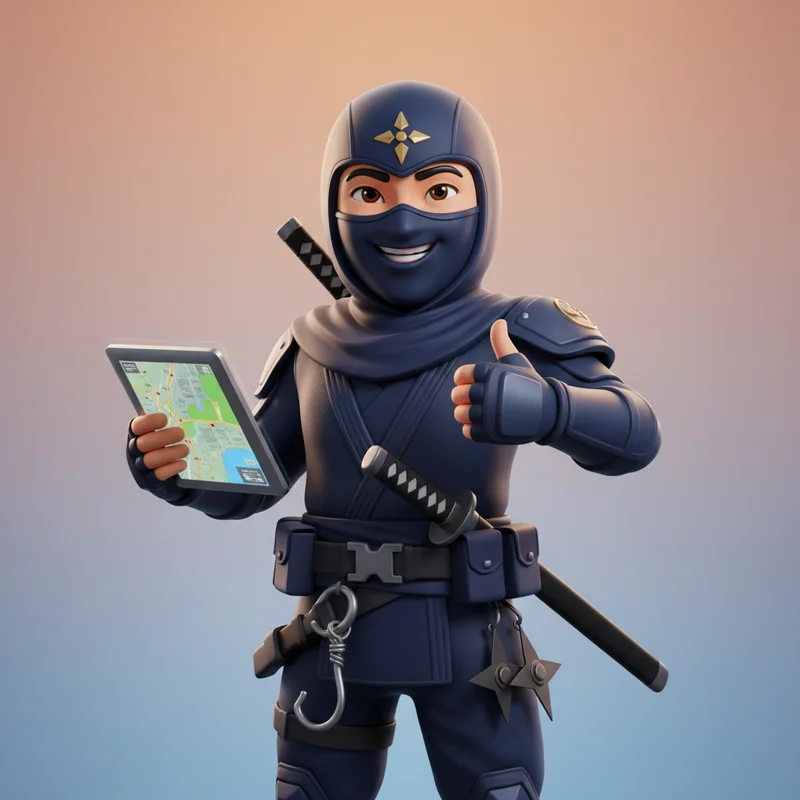
Ninja

Ninja

Feudal Japanese covert agent and pop culture icon.

Battle Analysis

Economic impact Mickey Mouse Wins
70%
30%
Mickey Mouse Ninja

Mickey Mouse

Mickey Mouse sits at the centre of a $130 billion corporate entity. He is not merely a character but the foundational asset of the Walt Disney Company, whose holdings include theme parks, cruise lines, streaming services, film studios, and intellectual property portfolios of unprecedented scale. The mouse's economic impact extends to employment figures in the hundreds of thousands, real estate holdings across multiple continents, and influence over entertainment industry standards worldwide. Few rodents in history have moved more capital.

Ninja

The ninja generates economic activity through a decentralised network of exploitation. Video games, films, martial arts schools, tourism to Japanese historical sites, costume sales, and countless merchandise items bearing ninja imagery contribute to an economy that, while substantial, remains impossible to accurately quantify. No single entity captures ninja-related revenue. This diffusion means significant collective impact but prevents the concentrated economic power that centralised ownership provides. The ninja's economic contribution is real but scattered.

VERDICT

Centralised corporate ownership converts cultural power into measurable wealth.
Cultural influence Mickey Mouse Wins
70%
30%
Mickey Mouse Ninja

Mickey Mouse

The cultural footprint of Mickey Mouse defies rational measurement. He has appeared in over 130 films, generates estimated annual merchandise revenue exceeding $3 billion, and his parent company controls a media empire that shapes the childhood memories of billions. Mickey has met every sitting US President since Truman. His image was among the first beamed via satellite across the Atlantic. During World War II, the Allied codeword for D-Day was 'Mickey Mouse'. He has transcended entertainment to become a symbol of American soft power itself.

Ninja

The ninja's cultural influence operates through mythology rather than merchandising. They have fundamentally shaped global concepts of the covert operative, the assassin with honour, and the warrior who operates outside conventional morality. From James Bond to Batman, from video game protagonists to corporate team-building exercises, the ninja archetype permeates modern storytelling. The word itself has entered virtually every language. Yet their influence remains diffuse, attributed to no single corporate entity, owned by no trademark holder. They are cultural commons.

VERDICT

Quantifiable dominance across every measurable metric of cultural saturation.
Combat effectiveness Ninja Wins
30%
70%
Mickey Mouse Ninja

Mickey Mouse

Mickey Mouse has, throughout his animated career, demonstrated surprising martial capabilities. He has defeated giants, dragons, and various supernatural entities. In the Kingdom Hearts video game series, he wields a keyblade with considerable proficiency. His combat style might best be described as cartoon physics-enhanced improvisation: anvils appear when needed, falls from great heights prove merely inconvenient, and determination consistently trumps physical disadvantage. However, these abilities exist only within the forgiving framework of animated reality.

Ninja

Historical ninjas trained in eighteen foundational disciplines, including unarmed combat, sword fighting, explosives, poisons, and psychological warfare. They were professional operatives whose failures meant death, not cancellation. Their arsenal included the shuriken, kusarigama, and various improvised weapons. Modern practitioners of ninjutsu-derived martial arts continue to demonstrate the effectiveness of these techniques. The ninja's combat effectiveness was tested against actual opponents with actual consequences. No animator intervened to ensure survival.

VERDICT

Real combat training versus cartoon physics yields predictable results.
Stealth and subtlety Ninja Wins
30%
70%
Mickey Mouse Ninja

Mickey Mouse

One might assume that a character who wears bright red shorts and yellow shoes whilst possessing a voice that could shatter crystal would score poorly in matters of stealth. Yet Mickey Mouse demonstrates a curious form of invisibility: he is so ubiquitous, so thoroughly embedded in the visual landscape of modern civilisation, that he has achieved what might be termed camouflage through omnipresence. The eye simply ceases to register him as unusual. He appears on hospital walls, military bases, and government offices worldwide, hiding in plain sight with a cheerfulness that borders on the sinister.

Ninja

The ninja represents the apex predator of concealment. These practitioners of ninjutsu elevated hiding to a philosophical discipline, developing techniques for blending into shadows, moving without sound, and disappearing entirely from human perception. Historical ninjas employed an arsenal of misdirection: disguises as monks, merchants, or entertainers; secret compartments; and the psychological manipulation of their targets' expectations. Their very effectiveness has rendered accurate historical accounts nearly impossible to verify. True masters leave no evidence of their mastery.

VERDICT

The ninja's stealth is intentional art; Mickey's ubiquity is corporate accident.
Adaptability and longevity Mickey Mouse Wins
70%
30%
Mickey Mouse Ninja

Mickey Mouse

Mickey Mouse has demonstrated remarkable evolutionary capacity. From his origins as a slightly mischievous character in 'Steamboat Willie', he has transformed into corporate ambassador, children's icon, and nostalgic touchstone. He has survived the transition from silent film to sound, from black-and-white to colour, from cinema to television to streaming. His design has been subtly modified over nine decades to remain appealing. Each generation receives a Mickey calibrated for contemporary sensibilities. This adaptability suggests indefinite future survival.

Ninja

The ninja concept has proven extraordinarily adaptable across contexts. Originally specific to Japanese feudal politics, the archetype has been successfully transplanted to science fiction, fantasy, comedy, and children's entertainment. Ninja Turtles, Naruto, and countless video game protagonists demonstrate the template's flexibility. However, actual ninjutsu as a practice has largely ossified into historical recreation or heavily mythologised martial arts. The concept thrives; the reality has calcified. Adaptability operates at the symbolic rather than practical level.

VERDICT

Mickey adapts in reality; the ninja adapts only in fiction.
👑

The Winner Is

Mickey Mouse

58 - 42

This investigation has revealed a fundamental tension between visibility and concealment as strategies for cultural survival. Mickey Mouse represents the triumph of omnipresence: by appearing everywhere, in every context, across every medium, he has become inescapable infrastructure of modern childhood. The ninja represents something older and perhaps more elegant: the power of mystery, the allure of the hidden, the cultural space carved by that which refuses full revelation.

Yet when we tally the criteria, Mickey's corporate machinery proves decisive. Cultural influence, adaptability, and economic impact all fall to the mouse, whose cheerful face conceals one of the most sophisticated brand management operations in human history. The ninja claims stealth and combat, those categories most true to their original purpose, yet these prove insufficient against the mouse's relentless commercial optimism.

Mickey Mouse
58%
Ninja
42%

Share this battle

More Comparisons