Topic Battle

Where Everything Fights Everything

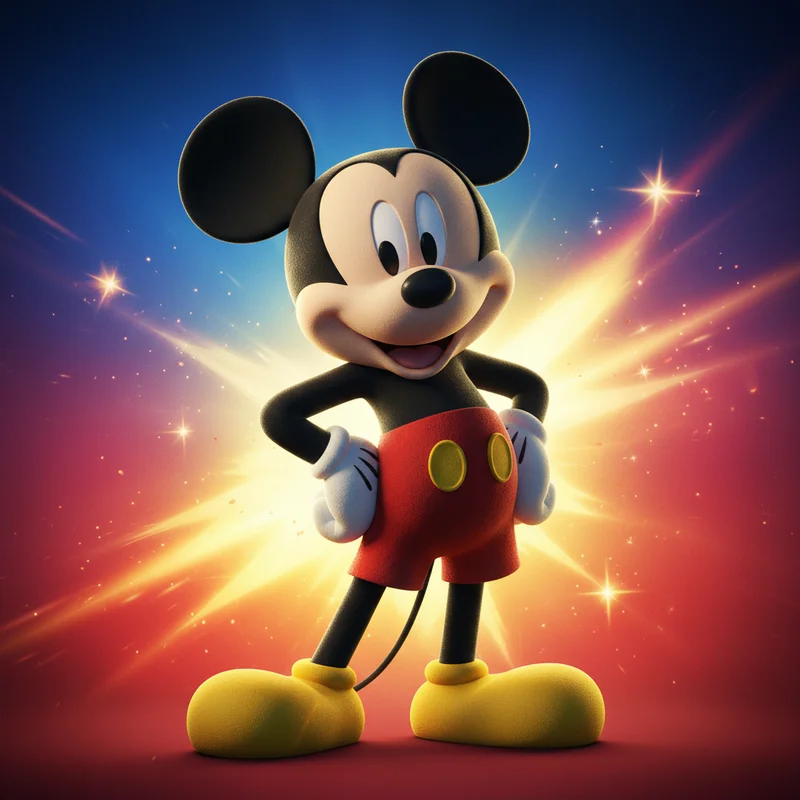
Mickey Mouse

Mickey Mouse

Disney's original mascot and corporate icon.

VS
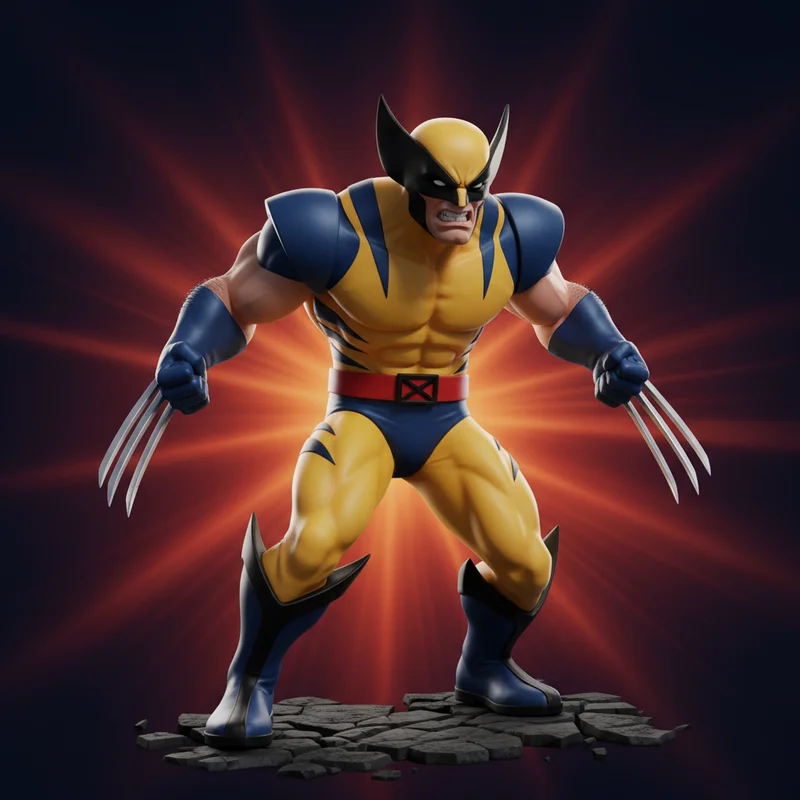
Wolverine

Wolverine

Clawed mutant with regeneration and anger issues.

Battle Analysis

Cultural longevity Mickey Mouse Wins
70%
30%
Mickey Mouse Wolverine

Mickey Mouse

Mickey Mouse has maintained uninterrupted cultural relevance for nearly a century, a feat virtually unmatched in entertainment history. From Steamboat Willie to contemporary streaming platforms, this rodent has demonstrated an almost supernatural ability to reinvent himself whilst preserving core brand identity. His silhouette alone—those three circles—constitutes one of the most recognised symbols on Earth, appearing on merchandise, theme parks, and corporate communications across six continents. The mouse has survived the Great Depression, multiple world wars, and countless shifts in popular taste, all whilst maintaining his position as the face of family entertainment.

Wolverine

Wolverine's cultural tenure, whilst considerably shorter at fifty years, has proven remarkably influential within its domain. The character essentially redefined what superhero narratives could address, introducing moral ambiguity and anti-heroism to a genre previously dominated by squeaky-clean protagonists. Hugh Jackman's seventeen-year portrayal across nine films cemented Logan as a generational icon, whilst the character's influence can be observed in virtually every modern dark superhero interpretation. However, his appeal remains somewhat generationally bound, primarily resonating with audiences who came of age during the 1990s X-Men animated series or the subsequent film franchise.

VERDICT

Nearly a century of continuous relevance versus five decades of influential but more limited cultural penetration.
Commercial dominance Mickey Mouse Wins
70%
30%
Mickey Mouse Wolverine

Mickey Mouse

The commercial machinery surrounding Mickey Mouse defies rational comprehension. As the mascot of The Walt Disney Company—currently valued at approximately 200 billion dollars—the mouse presides over theme parks, streaming services, film studios, cruise lines, and merchandise operations spanning the globe. Annual Disney character merchandise revenue alone exceeds 50 billion dollars, with Mickey's likeness appearing on everything from nappies to haute couture. The mouse has transformed from cartoon character into something approaching a secular deity of capitalism, his image alone capable of adding measurable value to any product it adorns.

Wolverine

Wolverine has proven himself Marvel's most consistently profitable character outside the core Avengers roster, generating billions through film box office, merchandise, and comic sales. The 2017 film Logan alone grossed over 600 million dollars worldwide, whilst X-Men franchise merchandise has generated substantial revenue across decades. However, Wolverine operates within the Marvel ecosystem rather than standing alone—his commercial success is partially dependent upon broader brand architecture. Recent Disney acquisition of Marvel has, somewhat ironically, placed him under the same corporate umbrella as his opponent, though he commands nowhere near comparable individual merchandising power.

VERDICT

Presides over a 200 billion dollar empire versus being a profitable component within a larger franchise structure.
Narrative complexity Wolverine Wins
30%
70%
Mickey Mouse Wolverine

Mickey Mouse

Mickey's narrative function has remained deliberately archetypal throughout his existence: the plucky everyman who overcomes obstacles through determination and good cheer. This simplicity is by design—Walt Disney explicitly crafted Mickey as a blank canvas upon which audiences could project their own aspirations. Modern iterations have attempted to add dimension, exploring Mickey's relationships and occasional moments of doubt, yet the character fundamentally resists complexity. His role is to reassure rather than challenge, to embody optimism rather than explore its limits. This represents both strength and limitation, depending upon one's perspective on narrative sophistication.

Wolverine

Logan's narrative architecture constitutes one of comic history's most layered character studies. Born in 19th century Canada, subjected to horrific experimentation, his memory repeatedly erased and reconstructed—Wolverine embodies trauma given adamantium form. The character explores masculinity, violence, redemption, and mortality with genuine philosophical weight, particularly in stories like Old Man Logan and the film Logan. His healing factor creates fascinating paradoxes: a man who cannot die yet constantly seeks rest; a warrior who regenerates from every wound yet cannot heal psychological scars. This represents superhero storytelling at its most literarily ambitious.

VERDICT

Profound exploration of trauma, mortality, and redemption versus intentionally archetypal simplicity.
Adaptability to media Mickey Mouse Wins
70%
30%
Mickey Mouse Wolverine

Mickey Mouse

Mickey has demonstrated extraordinary plasticity across media formats: silent films, talkies, television, video games, theme park attractions, and streaming content. Each transition has required subtle reinvention—adjusting animation styles, updating voice characterisation, modifying storylines for contemporary sensibilities—yet the essential Mickey persists. His simple design translates effectively across artistic styles, from classic animation to modern CGI to live-action hybrid appearances. The character has thrived in musical shorts, adventure serials, educational programming, and even existentially tinged experimental animation, suggesting nearly unlimited format flexibility.

Wolverine

Wolverine has proven remarkably adaptable within action-oriented formats: comics, animated series, blockbuster films, and video games have all showcased the character effectively. However, certain media present inherent challenges—his violent nature constrains children's programming options, whilst his visual complexity (particularly the claws) creates animation and CGI difficulties. The character works brilliantly in mature storytelling contexts but struggles to transition into lighter fare without compromising core identity. Recent appearances in Deadpool and Wolverine demonstrate continued adaptability, though within specific tonal parameters.

VERDICT

Functions effectively across all media and age ratings versus excellence within mature action formats only.
Cross generational appeal Mickey Mouse Wins
70%
30%
Mickey Mouse Wolverine

Mickey Mouse

Mickey Mouse possesses the broadest demographic reach in entertainment history. From infants encountering his image on crib mobiles to elderly tourists navigating Disney theme parks, the mouse transcends virtually every generational boundary. His deliberate inoffensiveness ensures appeal across political, cultural, and religious divides—a genuine rarity in an increasingly fragmented media landscape. Parents introduce their children to Mickey with confidence that the experience will mirror their own childhood encounters, creating intergenerational emotional continuity that few brands can claim. The mouse has become synonymous with childhood itself.

Wolverine

Wolverine's appeal concentrates most intensely within the adolescent-to-adult male demographic, though the character has cultivated following among broader audiences through strategic storytelling. His violent methodology inherently limits appeal to younger children, whilst his particular brand of gruff masculinity resonates most strongly with audiences seeking cathartic escapism. The character has successfully transitioned between generations—from 1990s animated series devotees to contemporary MCU enthusiasts—yet his core appeal remains somewhat demographically constrained. One does not typically encounter Wolverine imagery on infant merchandise.

VERDICT

Universal appeal from infants to elderly versus concentrated strength within specific demographics.
👑

The Winner Is

Mickey Mouse

58 - 42

This confrontation between Mickey Mouse and Wolverine ultimately reveals less about the combatants than about the audiences they serve. Mickey represents entertainment as universal comfort—a character engineered to offend no one whilst delighting everyone, whose commercial success reflects humanity's persistent desire for innocent escapism. Wolverine represents entertainment as cathartic exploration—a character designed to probe the darker aspects of human nature through allegorical violence.

By measurable criteria—commercial dominance, cultural longevity, demographic reach, and media adaptability—Mickey Mouse emerges as the superior entity. His century of relevance, his position atop a 200 billion dollar empire, and his universal recognisability across virtually every human demographic represent achievements Wolverine cannot match. The mutant's narrative sophistication and literary merit, whilst considerable, operate within a more constrained sphere of influence.

Mickey Mouse
58%
Wolverine
42%

Share this battle

More Comparisons