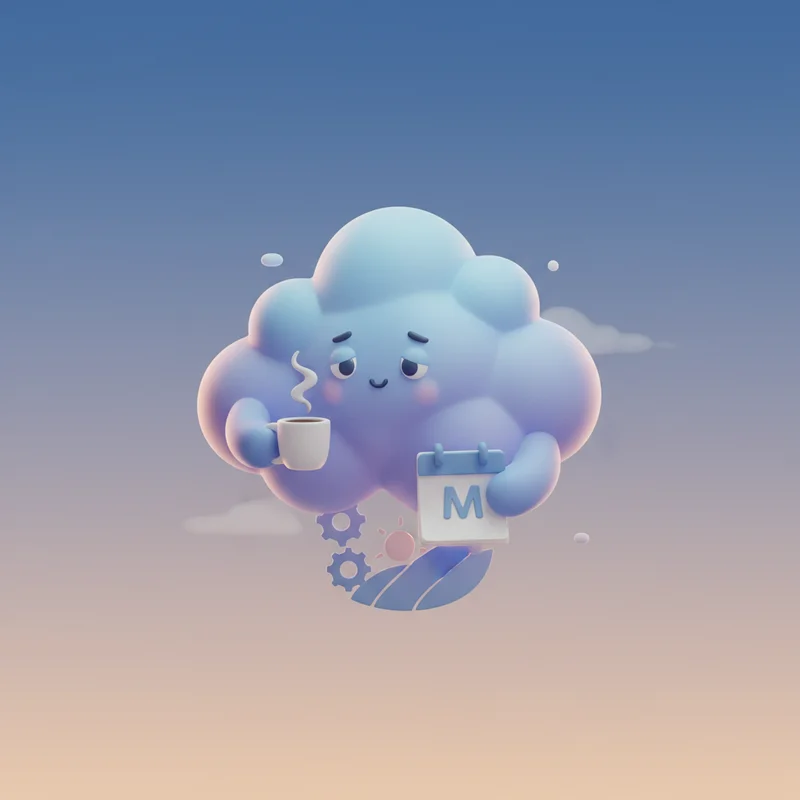

Monday
Monday demonstrates a peculiar form of adaptability: temporal inevitability. Regardless of time zone, calendar reform, or individual protest, Monday arrives with clockwork precision. It has survived attempts at eradication through four-day workweek proposals, flexible scheduling, and the remote work revolution.
However, Monday's adaptability is fundamentally passive. It does not respond to environmental pressures so much as persist through them. It cannot modify its behaviour, relocate to more favourable conditions, or evolve new survival strategies. It simply exists, week after week, with the stubbornness of a concept that knows it cannot be killed.
Otter
The otter represents adaptive excellence in the animal kingdom. These remarkable mustelids have colonised environments from frigid Alaskan waters to tropical Asian rivers. The sea otter has evolved the densest fur in the mammalian world, approximately one million hairs per square inch, an adaptation that would make any textile engineer weep with admiration.
Otters have demonstrated tool use, employing rocks to crack open shellfish, a behaviour that places them in the elite category of tool-wielding species. They have adapted to pollution, habitat loss, and human encroachment with varying success, but their behavioural flexibility remains scientifically impressive. They can thrive in freshwater and saltwater environments, adjust their diet based on availability, and modify their social structures as conditions demand.