Topic Battle

Where Everything Fights Everything

Monday

Monday

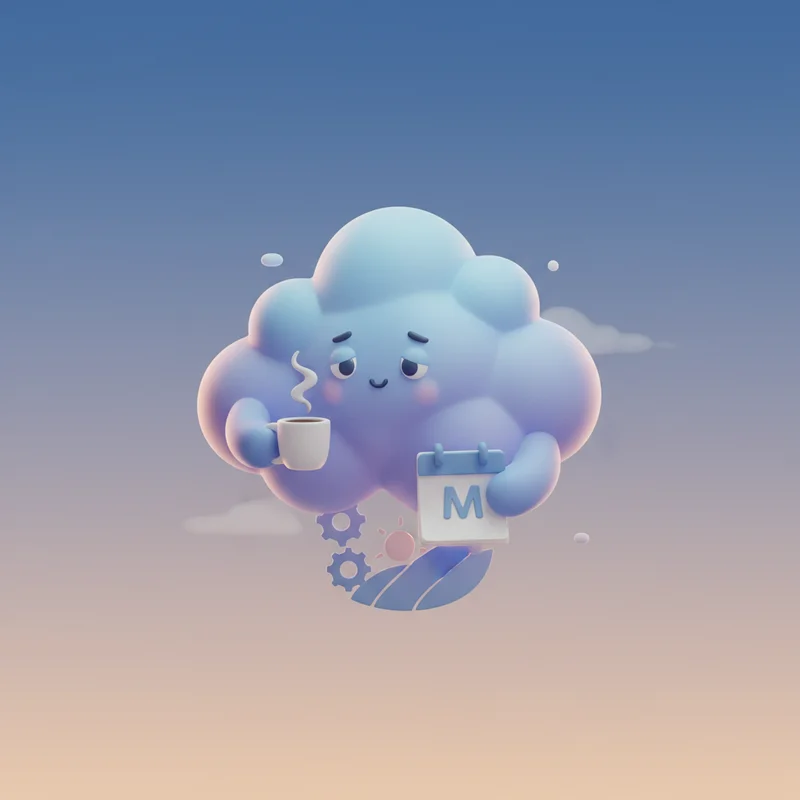
The day that exists purely to remind you that weekends are finite. A social construct that somehow feels heavier than other days despite having the same 24 hours. Coffee's best customer.

VS
Thor

Thor

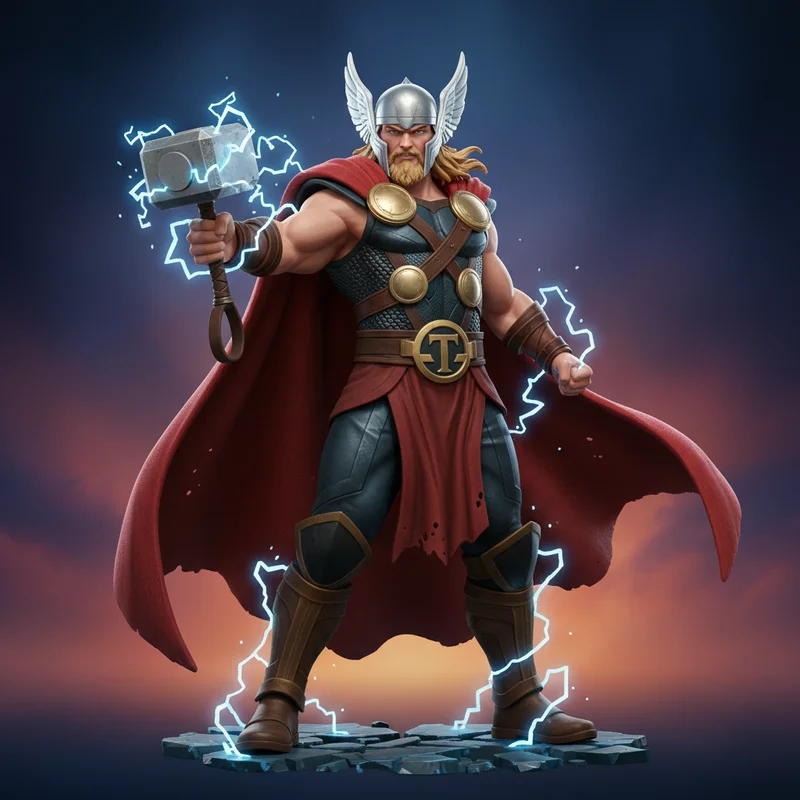
Norse god of thunder wielding Mjolnir.

Battle Analysis

Reliability monday Wins
70%
30%
Monday Thor

Monday

Monday has never failed to arrive. Not once in recorded human history has Monday neglected its appointed duty. Through world wars, pandemics, natural disasters, and civilisational collapse, Monday has maintained perfect attendance. Its reliability represents perhaps the most consistent phenomenon in human temporal experience.

One may set watches, calendars, and indeed entire economic systems upon the absolute certainty of Monday's arrival. It requires no worship, no summoning rituals, no prayers. It simply comes, as it always has, as it always shall.

Thor

Thor's reliability proves considerably more variable. He has been banished from Asgard, lost his hammer, experienced identity crises, and spent extended periods unavailable during crucial moments when Earth faced existential threats.

The god of thunder operates according to narrative convenience rather than fixed schedule. One cannot plan around Thor's arrival with any degree of precision. He appears when dramatically appropriate, not when consistently needed.

VERDICT

Absolute temporal consistency defeats sporadic divine intervention in matters of dependability.
Stress impact monday Wins
70%
30%
Monday Thor

Monday

The physiological stress response triggered by Monday has been measured with scientific precision. Cortisol levels spike, blood pressure elevates, and self-reported wellbeing plummets across populations worldwide. Workplace productivity on Mondays registers measurably lower than other weekdays, reflecting the cognitive burden imposed by this temporal transition.

Monday's stress impact is chronic, recurring, and inescapable for the working population. It compounds over years and decades, contributing to burnout, dissatisfaction, and the existential malaise of modern professional existence.

Thor

Thor induces acute stress responses in adversaries facing imminent destruction. The psychological impact of witnessing a god summon lightning to smite one's person would register as extreme on any clinical assessment tool. However, such encounters remain statistically rare.

For the average human, Thor represents minimal stress. Indeed, for his devotees and fans, Thor's presence correlates with positive emotional states, excitement, and the cathartic pleasure of watching villains receive mythological justice.

VERDICT

Chronic, universal stress accumulation outweighs rare acute divine encounters in population-level impact.
Cultural impact thor Wins
30%
70%
Monday Thor

Monday

Monday has generated a staggering volume of cultural content. The Boomtown Rats achieved chart success with 'I Don't Like Mondays.' The phrase 'looks like somebody's got a case of the Mondays' entered the lexicon through Office Space. Countless internet memes, workplace posters, and coffee mug inscriptions reference humanity's collective struggle against this temporal adversary.

Monday has shaped the architecture of modern life itself. The concept of the 'weekend' exists only because Monday defined its boundary. Entire industries of leisure, entertainment, and alcohol consumption orient themselves around Monday's approach.

Thor

Thor's cultural impact spans millennia. Thursday itself bears his name, derived from Thor's Day. Norse mythology has influenced literature from Wagner's operas to Neil Gaiman's novels. The Marvel franchise alone has produced films grossing over $7 billion.

Thor represents heroism, protection, and divine intervention on behalf of humanity. His hammer has become an iconic symbol recognisable across generations and demographics.

VERDICT

Millennia of mythological influence and billions in modern media revenue demonstrate superior cultural penetration.
Global recognition monday Wins
70%
30%
Monday Thor

Monday

Monday maintains universal recognition across virtually all human civilisations that have adopted the seven-day week. From Tokyo to Toronto, from Mumbai to Manchester, approximately 7.9 billion humans possess an intimate, often adversarial relationship with this temporal phenomenon.

The word itself derives from Old English Monandaeg, meaning 'Moon's day,' yet its contemporary associations have thoroughly eclipsed any celestial romanticism. Office workers, students, and professionals worldwide demonstrate remarkable consensus in their assessment of Monday's character.

Thor

Thor commands impressive recognition, particularly following the Marvel Cinematic Universe's extensive documentation of his exploits. The Norse god of thunder has permeated contemporary culture through comic books, films, and merchandise generating billions in revenue.

However, Thor's recognition skews heavily toward populations with access to Western media. Remote communities and those outside the sphere of Norse mythological influence may possess only peripheral awareness of his existence, if any awareness at all.

VERDICT

Monday transcends cultural and geographic boundaries with absolute penetration across human civilisation.
Intimidation factor thor Wins
30%
70%
Monday Thor

Monday

The psychological impact of Monday upon the human organism has been extensively documented in peer-reviewed literature. Studies indicate a 20% increase in heart attack incidence on Monday mornings. The phenomenon known colloquially as the 'Sunday Scaries' demonstrates that Monday's intimidation extends temporally backward, contaminating the preceding evening with anticipatory dread.

Monday requires no hammer, no lightning, no dramatic entrance. Its intimidation derives from sheer inevitability and the certain knowledge that one must attend meetings, respond to accumulated emails, and perform productive labour.

Thor

Thor possesses objectively superior combat capabilities. Mjolnir, his enchanted hammer, channels lightning sufficient to level buildings and defeat cosmic-level threats. His physical strength enables him to combat beings capable of destroying planets.

The sight of Thor descending from storm clouds, eyes crackling with electrical discharge, would inspire immediate and profound terror in any observer. His intimidation is direct, physical, and unmistakably threatening to one's continued existence.

VERDICT

Divine wrath and world-ending power outrank psychological workplace dread in pure intimidation metrics.
👑

The Winner Is

Monday

52 - 48

The data presents a compelling case for Monday's superiority as a force of influence upon human civilisation. Whilst Thor possesses indisputably greater combat capability and raw divine power, these attributes prove largely irrelevant to the daily experience of humanity.

Monday requires no worship to maintain its potency. It needs no believers, no temples, no cinematic franchises to perpetuate its existence. It simply arrives, week after week, with the mechanical certainty of orbital mechanics, demanding that humanity rise from bed and participate in economic activity regardless of individual preference.

Thor may command the storms, but Monday commands the alarm clock. And in the final accounting of forces that shape human behaviour, the alarm clock has proven the more formidable master. The god of thunder could destroy Monday, certainly, but another Monday would simply arrive the following week, unimpressed and unchanged.

Monday
52%
Thor
48%

Share this battle

More Comparisons