Topic Battle

Where Everything Fights Everything

Panda

Panda

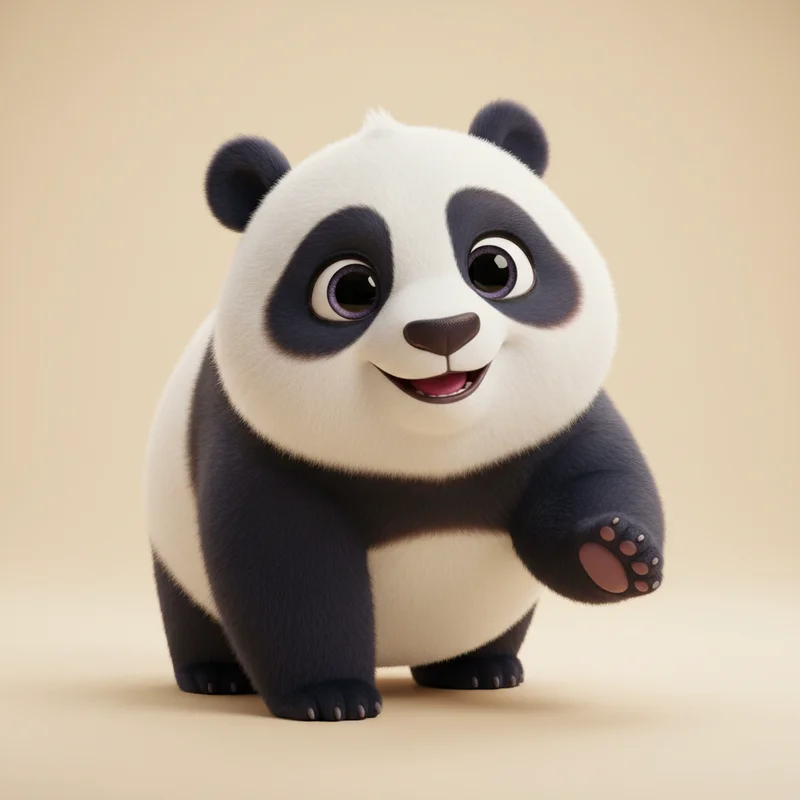
Beloved bamboo-eating bear from China, famous for black-and-white coloring and conservation symbolism.

VS
Banana

Banana

Yellow fruit with built-in packaging and comedy potential.

Battle Analysis

Durability Panda Wins
70%
30%
Panda Banana

Panda

The giant panda has demonstrated remarkable evolutionary persistence, having diverged from other bears approximately 19 million years ago. Despite a reproductive strategy that appears designed to ensure extinction, the species has endured ice ages, habitat fragmentation, and what can only be described as nature's most ambitious attempt at a dietary dead end. A healthy panda may survive 20 to 30 years in the wild, considerably longer in captivity where the challenges of finding bamboo and mates are removed from its already limited responsibilities.

The species' durability is less about individual hardiness than collective stubbornness. Pandas continue existing primarily because they have not yet finished not existing.

Banana

VERDICT

A creature that has survived 19 million years of evolution versus a dish that becomes structurally compromised within twenty minutes of preparation. The panda's persistence, whilst inexplicable, remains empirically superior.

Versatility Nachos Wins
30%
70%
Panda Banana

Panda

The panda has optimised itself for precisely one function: consuming bamboo whilst appearing endearing. It performs this function for approximately 14 hours daily, dedicating the remainder to sleep and the occasional reluctant participation in reproductive programmes. Its famous black and white markings serve no verified evolutionary purpose beyond making it exceptionally photogenic, a trait that has proven more useful to the species' survival than any practical adaptation.

As a diplomatic tool, the panda excels. As anything else, it demonstrates the limitations of specialisation taken to pathological extremes.

Banana

VERDICT

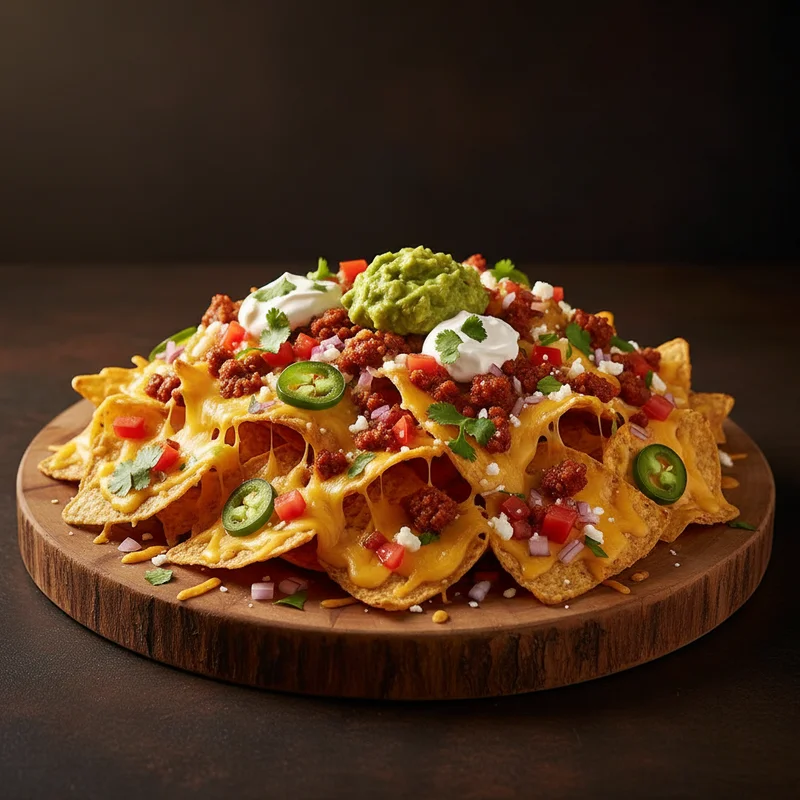
The panda does one thing adequately. The nacho does everything required of it whilst remaining fundamentally recognisable. Adaptability proves superior to adorability in the versatility assessment.

Global reach Nachos Wins
30%
70%
Panda Banana

Panda

The panda's geographical influence operates through what diplomatic scholars term soft power projection. China has deployed pandas to approximately 27 countries since the programme's inception, with each loan representing significant political negotiations. The animal's image appears on the currency, postage, and cultural materials of its host nation, achieving penetration that military strategists might envy.

Yet the species' actual range remains stubbornly limited. Wild pandas occupy roughly 20,000 square kilometres of mountain forest. For a global symbol, it maintains a remarkably provincial existence.

Banana

VERDICT

Whilst pandas serve as symbols of Chinese diplomatic outreach, nachos have colonised the global palate without requiring international treaties or million-dollar annual fees. Influence through presence defeats influence through scarcity.

Accessibility Nachos Wins
30%
70%
Panda Banana

Panda

Observing a panda in person requires either considerable financial investment or fortuitous geographical circumstance. Fewer than 50 institutions outside China house these animals, with annual loan fees reaching 1 million dollars per breeding pair. Queue times at major zoos regularly exceed ninety minutes, and even then, the panda may have elected to face away from its audience or, more commonly, to sleep through the entirety of visiting hours.

The wild panda population, numbering approximately 1,864 individuals, remains confined to fragmented mountain ranges in central China. One does not simply encounter a panda. The panda must first consent to being encountered, a consent it rarely provides.

Banana

VERDICT

The mathematics here prove unambiguous. Nachos can be acquired in the time it takes to locate parking at a zoo. The panda demands pilgrimage; the nacho asks only for appetite.

Social impact Nachos Wins
30%
70%
Panda Banana

Panda

The panda has achieved something remarkable in conservation circles: single-species fundraising dominance. The WWF logo, featuring a stylised panda since 1961, has become synonymous with environmental protection itself. Panda cubs born in captivity generate international news coverage exceeding that afforded to most political events. The species has become a litmus test for humanity's willingness to preserve nature, albeit a nature that seems determined to discontinue itself.

Socially, the panda brings people together in zoo queues, in conservation debates, and in shared appreciation for a creature that has transformed incompetence into an evolutionary strategy.

Banana

VERDICT

Pandas inspire collective concern for a species most will never encounter. Nachos inspire immediate collective action among friends, families, and strangers at sports venues. Direct social facilitation edges out symbolic species preservation.

👑

The Winner Is

Banana

45 - 55

The evidence compels an unexpected conclusion. Nachos emerge victorious with a score of 55 to the panda's 45, a result that will doubtless distress conservationists whilst providing validation to those who have long suspected that processed cheese possesses underappreciated qualities.

The nacho's triumph is not a commentary on the panda's worthiness but rather on the metrics by which we measure value. Accessibility, versatility, reach, and social facilitation favour entities that participate actively in human life over those that exist primarily as symbols of what we might lose. The panda is beloved; the nacho is consumed. Both relationships involve genuine affection, yet only one delivers immediate tangible benefit.

The panda's consolation prize is substantial: it has convinced an entire species to restructure conservation priorities around its continued existence. No nacho, however perfectly assembled, has ever received billion-dollar international funding. The panda loses on practical metrics whilst winning on emotional manipulation, a trade-off it would likely accept if it possessed the cognitive capacity to understand the comparison. Which it does not, as it is currently eating bamboo.

Panda
45%
Banana
55%

Share this battle

More Comparisons