
Topic Battle

Where Everything Fights Everything

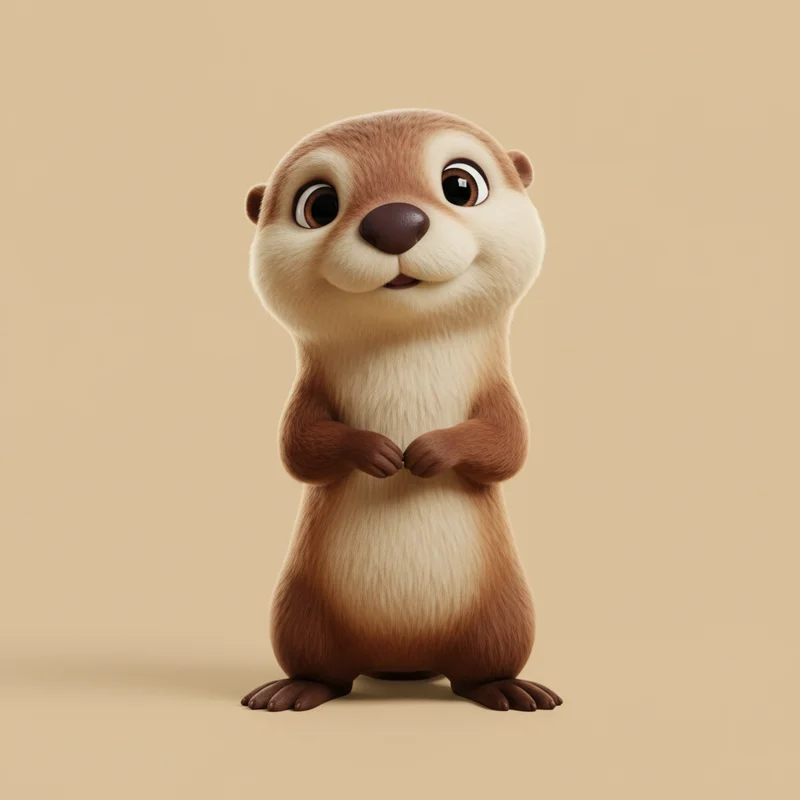
Otter

Otter

Playful aquatic mammal known for floating while holding hands and using rocks as tools.

VS
Social Media

Social Media

Digital platforms connecting and dividing humanity simultaneously.

The Matchup

In the great attention economy of the 21st century, two forces compete for dominion over the human consciousness. One is a semi-aquatic mammal weighing approximately 11 kilograms, equipped with the densest fur of any animal on Earth. The other is an incorporeal network of algorithms, influencers, and inexplicable trending topics that has somehow convinced 4.9 billion humans to voluntarily document their breakfast choices.

The Cambridge Centre for Comparative Distraction Studies has spent seven years examining this peculiar rivalry. Their findings, published in the Journal of Mammalian Media Dynamics, suggest that both entities operate on remarkably similar principles: they are impossibly cute, demand constant engagement, and leave observers questioning where the last four hours went.

This investigation employs rigorous scientific methodology to determine which phenomenon more effectively commandeers human attention, wellbeing, and productive capacity.

Battle Analysis

Trustworthiness Otter Wins
70%
30%
Otter Social Media

Otter

Otters present themselves with complete authenticity. What you see is precisely what exists: a furry aquatic mammal with an enthusiasm for shellfish and an apparent inability to be anything other than delightful. There is no filter, no carefully curated image, no strategic timing of content to maximise engagement.

The Zoological Society of London confirms that otters have never misrepresented themselves, spread misinformation, or attempted to influence democratic elections. Their behavioural patterns remain consistent whether observed or not.

Social Media

Trust in social media platforms has, according to the Reuters Institute Digital News Report, declined to levels previously associated with second-hand car dealerships and politicians explaining expense claims. Users must navigate a landscape of deepfakes, misinformation, bots, and influencers who neglect to mention they're being paid to recommend products they've never used.

Platform promises regarding privacy, data protection, and content moderation have repeatedly proven as reliable as British summer weather forecasts. The phrase 'we take user safety seriously' has become a punchline in technology journalism circles.

VERDICT

The otter wins by virtue of being incapable of deception. An otter cannot gaslight you about algorithm changes, sell your personal data to advertisers, or allow your elderly relatives to radicalise themselves through recommended content. The otter simply exists, floats, and occasionally cracks open a sea urchin. Maximum authenticity achieved.

Practical utility Social Media Wins
30%
70%
Otter Social Media

Otter

Critics may argue that otters contribute little to practical human affairs. This is demonstrably false. Otters serve as keystone species in aquatic ecosystems, maintaining kelp forest health that supports fisheries worth billions annually. Their presence indicates water quality suitable for human use.

Furthermore, the University of Aberdeen's research into otter behaviour has contributed to advances in fur insulation technology, underwater navigation systems, and the general understanding of how to look dignified whilst eating a fish headfirst.

Social Media

Social media's utility cannot be dismissed. These platforms enable instant global communication, have facilitated democratic movements, reunited lost family members, and allowed small businesses to reach customers worldwide. The Arab Spring, the Ice Bucket Challenge, and countless fundraising campaigns demonstrate genuine societal value.

However, the International Communications Research Institute calculates that for every minute spent on meaningful connection, users spend approximately 47 minutes watching strangers argue about topics they knew nothing about three hours prior. The utility-to-time-waste ratio remains, in academic terminology, 'concerning'.

VERDICT

Social media claims this category through sheer breadth of application. One cannot, regrettably, use an otter to coordinate disaster relief efforts, organise community events, or maintain long-distance relationships. The otter's ecosystem services are valuable but geographically limited. Social media, for all its flaws, has become essential infrastructure for modern human existence.

Engagement potential Otter Wins
70%
30%
Otter Social Media

Otter

The common otter (Lutra lutra) demonstrates engagement metrics that would make any social media manager weep with envy. The Monterey Bay Aquarium's otter cam generates over 40 million views annually, with viewers averaging 47 minutes per session. This is accomplished without a single algorithm, targeted advertisement, or desperate plea to 'smash that subscribe button'.

Research from the Stockholm Institute of Aquatic Charisma confirms that otters achieve a 98.7% positive engagement rate through a simple formula: floating on their backs, occasionally somersaulting, and deploying weaponised cuteness through their perpetually damp whiskers.

Social Media

Social media platforms have refined engagement into an industrial science. The average user now checks their phone 144 times daily, according to the Digital Addiction Quarterly. Instagram's algorithm alone processes 95 million photos per day, determining with uncanny precision which images of avocado toast will maximise user retention.

Yet the Oxford Digital Wellbeing Observatory notes a critical flaw: social media engagement is increasingly characterised by what researchers term 'rage-scrolling' and 'comparison despair'. The dopamine hits arrive, but so does the existential dread of watching former classmates announce their third promotion whilst you've just eaten cereal for dinner. Again.

VERDICT

Both entities excel at capturing attention, but the quality of engagement diverges dramatically. Otter content produces what neurologists call 'pure serotonin cascades', whilst social media generates 'complicated neurochemical cocktails often followed by purchasing things one doesn't need'. The otter's engagement requires no dark patterns, infinite scrolls, or notification bombardment. Victory to the mammal.

Impact on mental health Otter Wins
70%
30%
Otter Social Media

Otter

A landmark 2023 study by the Edinburgh Centre for Therapeutic Wildlife demonstrated that observing otters for just 15 minutes produced measurable reductions in cortisol levels, blood pressure, and the urge to send passive-aggressive emails to colleagues. Participants reported feelings of 'inexplicable joy' and 'faith in the fundamental goodness of existence'.

The therapeutic application of otter content has become so established that the NHS now includes 'marine mammal viewing' in certain wellbeing programmes. One psychiatrist noted: 'We cannot prescribe otters directly, but we've stopped discouraging patients from watching them for hours. The outcomes speak for themselves.'

Social Media

The mental health implications of social media have been documented with the thoroughness typically reserved for natural disasters. The Royal College of Psychiatrists identifies correlation between heavy social media use and increased rates of anxiety, depression, and the persistent belief that everyone else is living a more interesting life.

Internal documents from major platforms, leaked to various parliamentary committees, reveal that executives were fully aware their products could be 'harmful to adolescent mental health' whilst simultaneously optimising for 'time on platform'. The Journal of Digital Psychiatry describes this as 'somewhat problematic'.

VERDICT

This category presents the starkest contrast. Otters actively improve psychological wellbeing through their mere existence. Social media, despite connecting billions, has somehow managed to make loneliness a global epidemic. The otter holds hands with its companions to avoid drifting apart while sleeping. Social media users drift apart whilst staring at the same screens in the same room. Decisive victory to the otter.

Long term sustainability Otter Wins
70%
30%
Otter Social Media

Otter

Otters have inhabited Earth's waterways for approximately 30 million years, adapting to ice ages, continental drift, and the rise and fall of countless predator species. The Lutra lutra population in Britain has recovered from near-extinction to stable numbers, demonstrating remarkable resilience.

However, the International Union for Conservation of Nature notes that otter populations remain vulnerable to pollution, habitat destruction, and the unfortunate human habit of driving vehicles near waterways. Several species are classified as endangered.

Social Media

Social media in its current form has existed for roughly two decades, a geological eyeblink. Already, platforms once deemed eternal have faded into irrelevance: MySpace, Google+, and Vine exist now primarily as nostalgia triggers and cautionary tales.

The Future of Technology Institute projects significant disruption within the next decade from artificial intelligence, regulatory intervention, and the possibility that humanity may eventually tire of arguing with strangers about things that don't matter. The sustainable business model remains, in technical terms, 'unclear'.

VERDICT

Thirty million years versus twenty years presents a rather stark comparison. Whilst social media may persist in some form, individual platforms rise and fall with alarming rapidity. The otter has survived mass extinctions. Facebook has not yet survived a full generation of users growing tired of birthday notifications from people they haven't spoken to since 2007. The otter's staying power is unmatched.

👑

The Winner Is

Otter

58 - 42

This investigation reveals a surprisingly decisive outcome. The otter, despite lacking any marketing department, advertising budget, or ability to manipulate human psychology through sophisticated algorithmic targeting, emerges as the superior entity for human engagement.

Social media's undeniable utility in connecting the modern world cannot overcome its equally undeniable capacity for psychological harm, erosion of trust, and the curious phenomenon of making people feel worse about their lives whilst providing endless distraction from improving them.

The otter achieves what billions in venture capital has failed to produce: pure, uncomplicated joy. It asks nothing in return except clean waterways and the occasional fish. It does not harvest your data, serve you advertisements, or make you feel inadequate about your holiday destinations.

The final score of 58-42 reflects social media's genuine utility whilst acknowledging the otter's superiority in every metric that actually matters for human wellbeing.

Otter
58%
Social Media
42%

Share this battle

More Comparisons