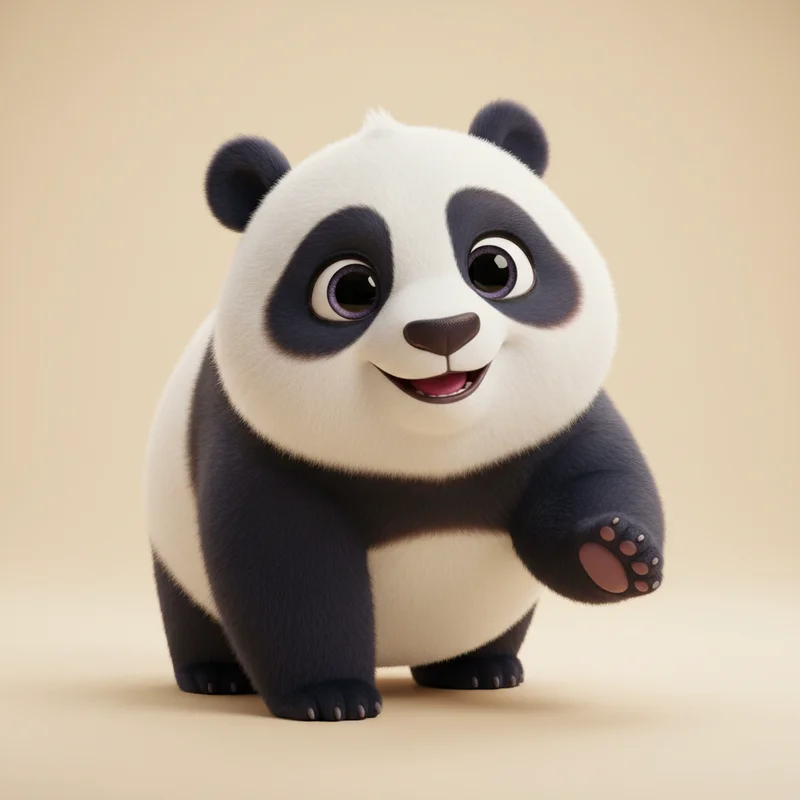

Panda
The giant panda possesses what researchers term supernormal stimuli—features that trigger exaggerated nurturing responses in humans. The large head, round face, and eye patches mimic infant facial proportions that humans evolved to find compelling. Studies demonstrate measurable cortisol reduction in subjects viewing panda imagery. The species' apparent clumsiness, its habit of tumbling without apparent distress, activates protective instincts across cultures.
Panda cubs, weighing merely 100 grams at birth—approximately 1/900th of maternal weight—represent the most extreme size disparity in placental mammals. This biological curiosity, combined with the species' documented difficulty breeding, creates narrative tension that enhances emotional engagement. Humans root for pandas to survive because pandas seem incapable of surviving alone.
Bread
Bread evokes emotional responses rooted in memory, comfort, and security rather than visual appeal. The scent of baking bread ranks among the most universally pleasant olfactory experiences, triggering nostalgia and feelings of home across diverse cultures. Estate agents recommend baking bread before viewings specifically to evoke these emotional associations. The warmth of fresh bread, the act of breaking and sharing it—these experiences carry emotional weight accumulated across generations.
However, bread does not inspire the protective impulses that pandas generate. One does not feel compelled to rescue a loaf or ensure its survival. Bread's emotional impact, whilst significant, operates through different psychological mechanisms—comfort rather than nurture, familiarity rather than fascination.