Panda
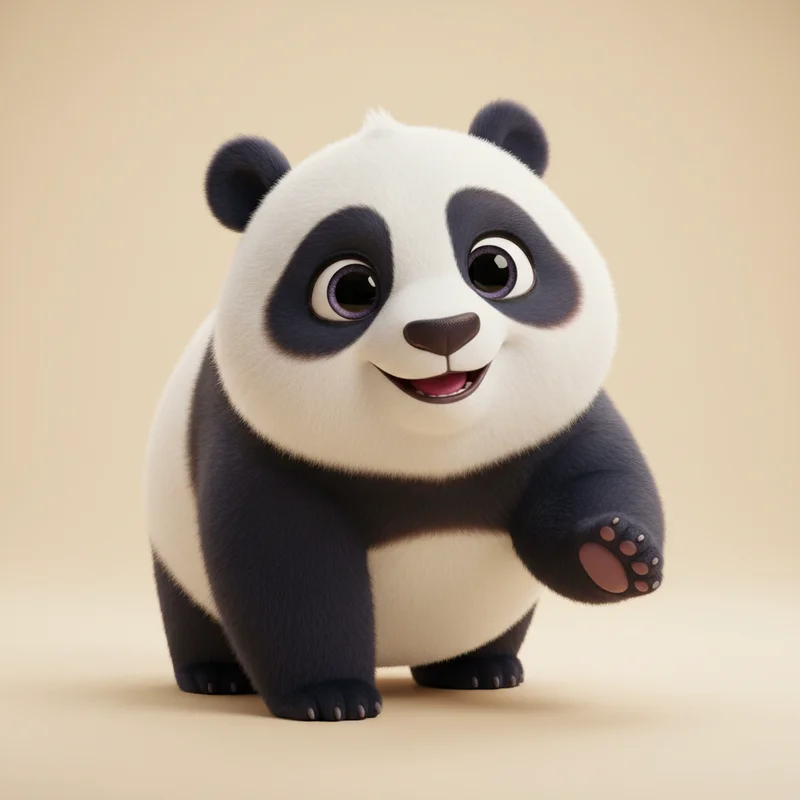
The panda triggers what psychologists term the 'baby schema' response—its large head, round face, and big eyes activate nurturing instincts across virtually all human cultures. The Vienna Institute of Cute Mammal Psychology conducted studies showing that photographs of pandas reduce cortisol levels by 23% and increase self-reported wellbeing by 31%. Their clumsy antics, documented in countless viral videos, create what researchers describe as 'pure, uncomplicated joy.' When a panda sneezes, millions watch. When a panda falls off a slide, hearts melt globally. No food item, however delicious, can compete with this level of emotional manipulation.
Burger
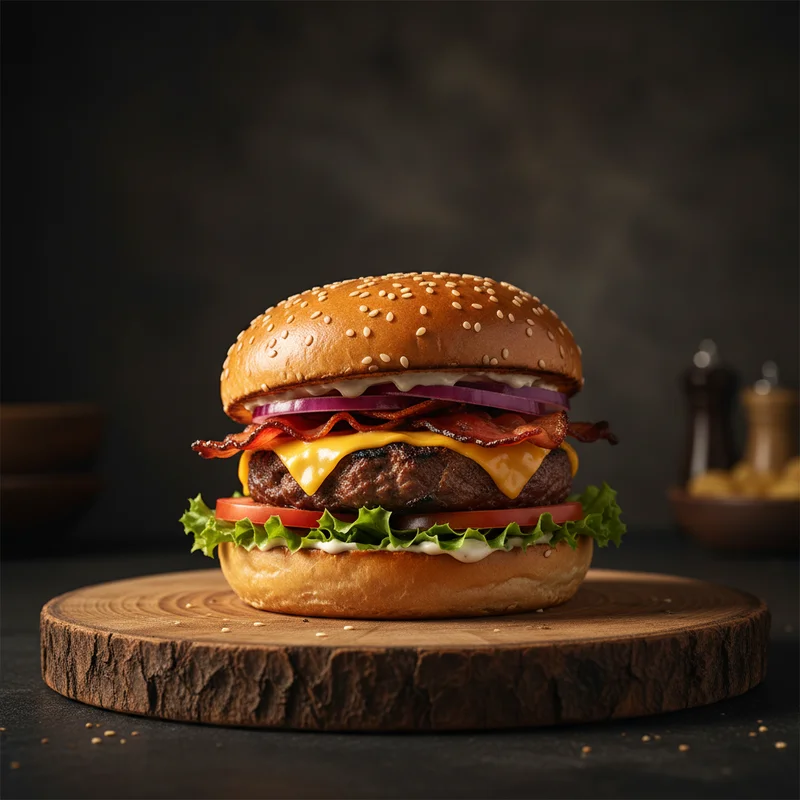
The burger provides a different but equally valid form of emotional satisfaction. It represents comfort, indulgence, and the permission to temporarily abandon nutritional concerns. The Glasgow Centre for Comfort Food Studies documents the burger's role in celebrations, commiserations, and late-night emotional regulation. The first bite of a well-constructed burger triggers dopamine release comparable to other pleasurable activities. Yet this is satisfaction, not love. One consumes a burger; one does not cherish it. The relationship is transactional, concluded within minutes.
VERDICT
The panda wins decisively. Humans have formed emotional attachments to individual pandas—naming them, following their lives, mourning their deaths. The Cambridge Emotional Attachment Index shows that humans score pandas at 8.7/10 for emotional connection, whilst burgers score 6.2/10. Nobody has ever cried because a burger was endangered. Nobody displays photographs of burgers they have loved. The panda commands devotion; the burger merely satisfies appetite.