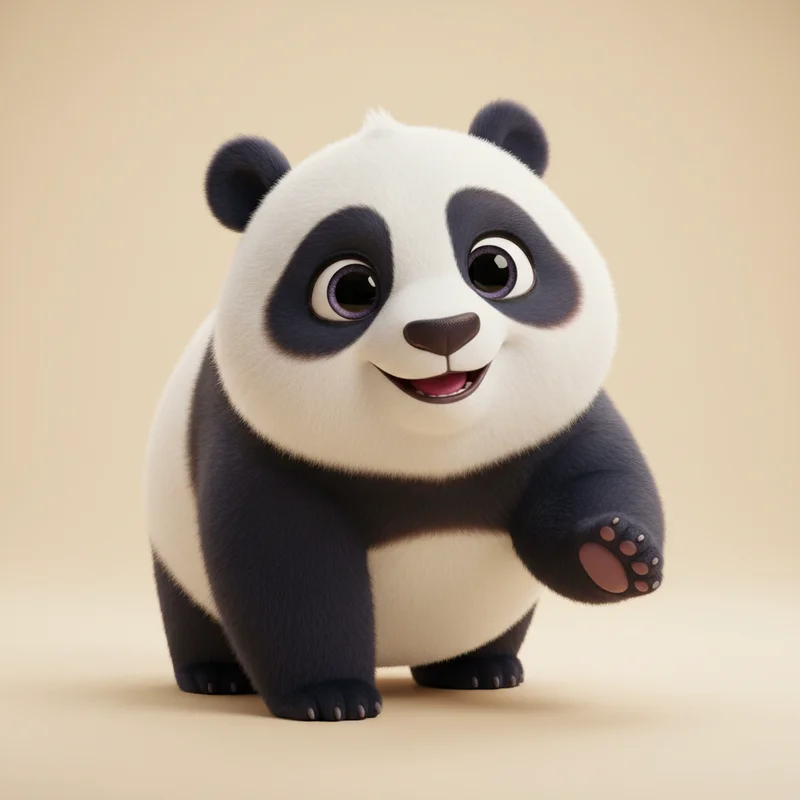

Panda
The giant panda's global reach operates through strategic scarcity and concentrated visibility. Fewer than 2,000 individuals exist in the wild, with approximately 600 in captivity worldwide. This limited distribution paradoxically enhances the animal's cultural penetration; pandas become destination attractions, generating pilgrimage-style visitation patterns.
The World Wildlife Fund's adoption of the panda as its logo in 1961 established the animal as the definitive symbol of conservation efforts globally. This single design decision ensured that billions would recognise the panda regardless of whether they had encountered one directly. The animal's image appears on currency, stamps, corporate branding, and children's merchandise across every inhabited continent.
Panda births at international zoos generate international news coverage. The arrival of a panda cub in Washington, Berlin, or Edinburgh commands media attention disproportionate to any individual animal event. The species has achieved global consciousness saturation.
Football
Football's global reach defies reasonable quantification. The FIFA World Cup attracts cumulative television audiences exceeding 4 billion viewers, making it the most-watched event in human history. The sport is played professionally in over 200 nations, exceeding United Nations membership. Football has achieved near-universal planetary penetration.
The sport functions as a global lingua franca. A football rolled between strangers requires no translation, no cultural context, no shared history. The activity itself communicates. Refugee camps, favelas, and war zones contain children kicking improvised balls, demonstrating the sport's capacity to transcend economic and political boundaries entirely.
Major football events generate collective experiences at scales no other activity achieves. When the World Cup final occurs, significant portions of the human population simultaneously direct attention toward the same event. This synchronised global consciousness occurs perhaps nowhere else in human experience.