Topic Battle

Where Everything Fights Everything

Panda

Panda

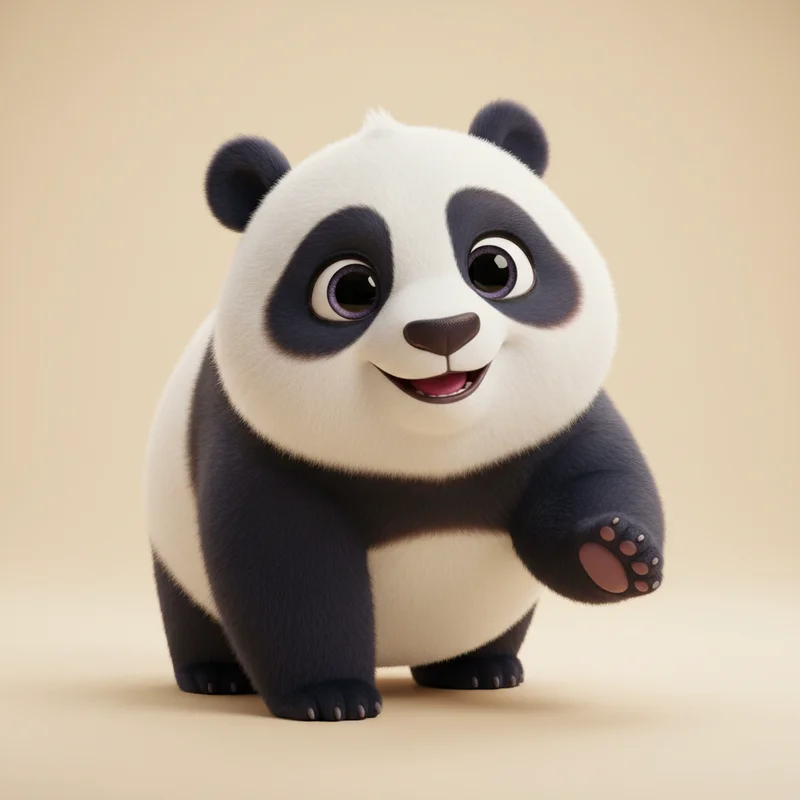
Beloved bamboo-eating bear from China, famous for black-and-white coloring and conservation symbolism.

VS
Egg

Egg

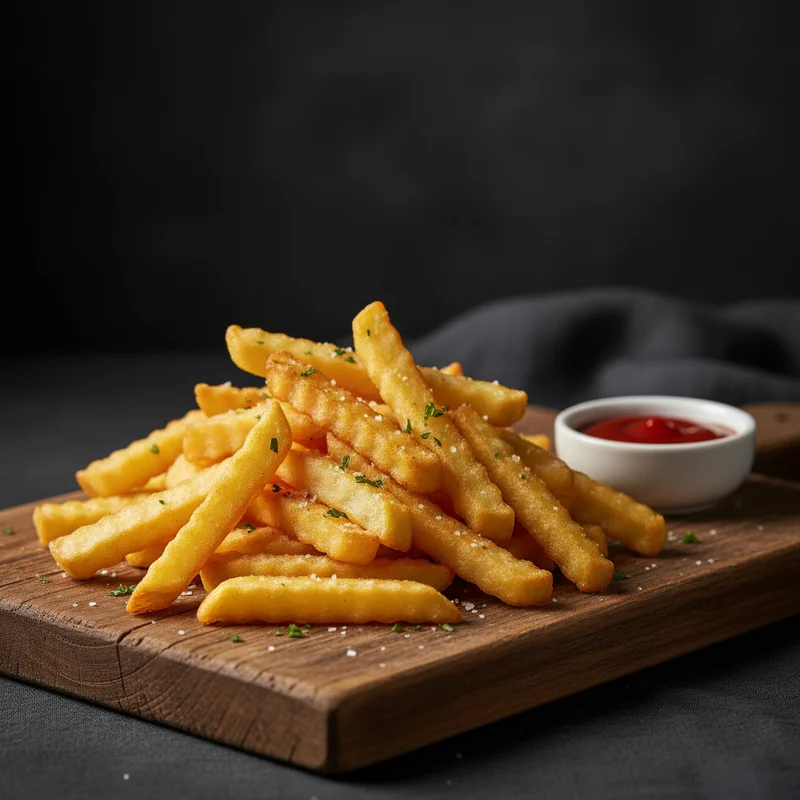
Versatile protein source prepared in countless ways.

Battle Analysis

Emotional impact panda Wins
70%
30%
Panda Egg

Panda

The giant panda triggers neurological responses that researchers describe as supernormal stimuli. Its large head, flat face, and prominent eyes activate human nurturing instincts with remarkable efficiency. Studies conducted at Vienna's Schönbrunn Zoo demonstrated that viewing panda imagery reduces cortisol levels by up to 20 percent in stressed subjects. The species' apparent vulnerability—despite possessing jaw strength sufficient to crush bone—provokes protective instincts across demographic boundaries. Videos of pandas tumbling, sneezing, or consuming bamboo generate billions of views annually. The emotional response is immediate, visceral, and nearly universal. Few organisms have so thoroughly hijacked human psychology.

Egg

VERDICT

Pandas inspire pure positive emotion; french fries inspire pleasure complicated by health consciousness.
Economic influence french_fries Wins
30%
70%
Panda Egg

Panda

The economics of panda conservation involve extraordinary sums directed toward questionable efficiency. China's panda programme generates approximately £200 million annually through zoo loans, merchandise licensing, and tourism. Edinburgh Zoo paid £600,000 yearly for their breeding pair; Zoo Atlanta commits similar figures. Maintaining a single panda costs approximately £30,000 annually in bamboo alone—they consume 12 to 38 kilograms daily whilst extracting minimal nutritional value. The total investment in panda conservation since 1980 exceeds £1 billion. Critics argue this money could protect entire ecosystems rather than a single photogenic species. Defenders counter that pandas serve as umbrella species, protecting habitat for thousands of other organisms.

Egg

VERDICT

French fries generate £25 billion annually; pandas generate approximately £200 million.
Global accessibility french_fries Wins
30%
70%
Panda Egg

Panda

The giant panda remains one of Earth's most inaccessible animals. Approximately 1,864 individuals exist in the wild, confined to fragmented bamboo forests across six Chinese mountain ranges. A further 600 reside in captivity, distributed among just 27 zoos worldwide that have negotiated loan agreements with China at annual fees approaching £750,000 per breeding pair. The average human being has a statistically negligible chance of ever observing a live panda. Even dedicated wildlife enthusiasts face significant barriers: a trip to Chengdu's Research Base of Giant Panda Breeding—the most accessible viewing opportunity—requires international travel, visa arrangements, and considerable expense. The panda's scarcity is, paradoxically, central to its appeal.

Egg

VERDICT

French fries are accessible to virtually any human with loose change; pandas require international diplomacy.
Cultural significance french_fries Wins
30%
70%
Panda Egg

Panda

Panda diplomacy represents one of the most successful soft power initiatives in modern history. Records from 685 CE document Tang Dynasty gifts of pandas to Japanese royalty, establishing a tradition that continues today through formal loan programmes. The species serves as the official symbol of China's conservation efforts, the face of the World Wildlife Fund, and the mascot of the 2008 Beijing Olympics. Pandas appear on Chinese currency, postage stamps, and countless commercial products. They symbolise both Chinese cultural heritage and global environmental consciousness—a remarkably efficient dual symbolism. Yet this significance, whilst profound, remains relatively recent in human terms and geographically concentrated.

Egg

VERDICT

French fries have been adopted and adapted by dozens of cultures; pandas remain specifically Chinese exports.
Long term sustainability panda Wins
70%
30%
Panda Egg

Panda

The giant panda's survival prospects have improved dramatically since the species' nadir in the 1980s, when fewer than 1,114 individuals remained. Intensive conservation efforts have increased wild populations to over 1,800, and the species' status was upgraded from 'endangered' to 'vulnerable' in 2016. China has established 67 protected reserves covering 5.4 million acres of panda habitat. However, climate change threatens bamboo availability, and habitat fragmentation remains problematic. The panda's famously inefficient reproduction—females are fertile for merely 24 to 36 hours annually—ensures continued dependence on human intervention. Sustainability requires permanent commitment of extraordinary resources.

Egg

VERDICT

Pandas represent conservation success and drive habitat protection; french fries contribute to oil consumption and packaging waste.
👑

The Winner Is

Egg

46 - 54

This examination has revealed two phenomena that have, through entirely different mechanisms, achieved remarkable dominance over human attention and resources. The giant panda conquered through the strategic deployment of adorability, converting its evolutionary dead-end—a carnivore that abandoned meat for nutritionally inadequate bamboo—into humanity's most expensive conservation project. The french fry conquered through neurological manipulation, converting a humble tuber into the world's most consumed fast food item through the precise application of salt, fat, and heat. Both represent extraordinary successes within their respective domains. The panda has secured billions in conservation funding whilst remaining inaccessible to nearly all humans. The french fry has achieved absolute ubiquity whilst remaining nutritionally suspect. In the final analysis, the french fry emerges as the more significant force in human experience—not because it inspires greater devotion, but because its influence is measured in daily physical consumption by billions rather than distant emotional connection. The panda may be the creature we want to save; the french fry is the object we cannot stop consuming.

Panda
46%
Egg
54%

Share this battle

More Comparisons