Topic Battle

Where Everything Fights Everything

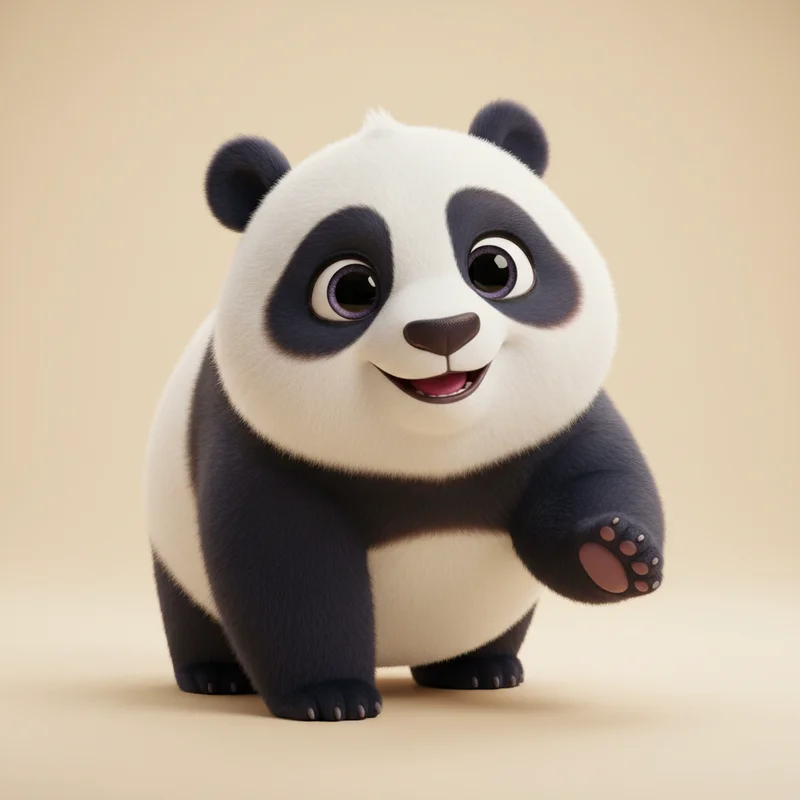
Panda

Panda

Beloved bamboo-eating bear from China, famous for black-and-white coloring and conservation symbolism.

VS
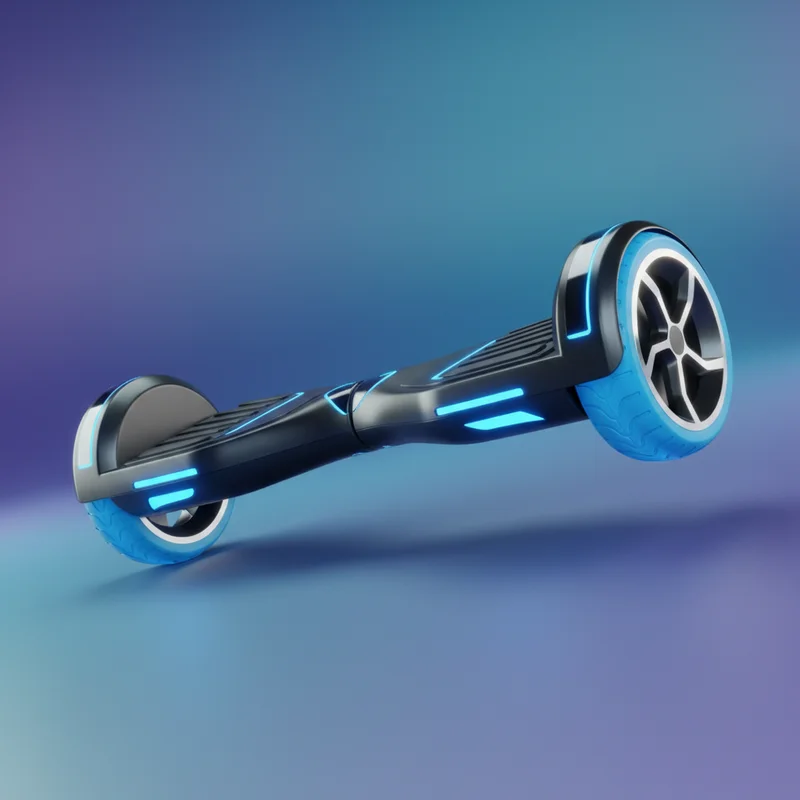
Hoverboard

Hoverboard

Self-balancing scooter that disappointed Back to the Future fans.

Battle Analysis

Cultural icon status Panda Wins
70%
30%
Panda Hoverboard

Panda

The giant panda has achieved cultural penetration that marketing executives can only dream of accomplishing. The World Wildlife Fund selected the species as its logo in 1961, launching decades of association between pandas and environmental consciousness. The choice was strategic: the panda's monochrome colouring reproduced well in black-and-white printing, and its non-threatening appearance generated donations more effectively than, say, the equally endangered Sumatran rhinoceros.

Diplomatic deployment has further elevated cultural status. Panda loans between China and recipient nations constitute soft power projection valued in the hundreds of millions. The animals serve as living treaties, their health monitored as closely as bilateral relations. No other species has been so thoroughly weaponised for international relations, a distinction the hoverboard cannot remotely approach.

Hoverboard

The hoverboard's cultural moment arrived suddenly and departed nearly as quickly. Peak penetration occurred between 2015 and 2017, when the devices appeared in music videos, celebrity social media posts, and mall kiosks worldwide. Airline bans and apartment fire regulations followed shortly thereafter, transforming the hoverboard from aspirational accessory to cautionary tale.

The cultural legacy persists primarily in compilation videos documenting operational failures. Unlike the panda's enduring symbolic value, the hoverboard has become shorthand for technological hubris and ill-considered purchases. Gift guides now cite the device as emblematic of presents that generate brief enthusiasm followed by prolonged storage. The cultural icon status achieved is real but distinctly unflattering.

VERDICT

The panda symbolises conservation and international cooperation; the hoverboard symbolises Amazon returns and garage clutter.
Evolutionary rationality Hoverboard Wins
30%
70%
Panda Hoverboard

Panda

The giant panda presents evolutionary biologists with what can only be described as a professional embarrassment. A member of order Carnivora, equipped with the digestive system of a meat-eater, the species has inexplicably committed to a diet of bamboo stalks containing minimal nutritional value. This is rather like a sports car owner insisting on fuelling the vehicle with vegetable oil whilst wondering why performance suffers.

Reproduction compounds the evolutionary puzzle. Female pandas experience fertility windows of approximately 24 to 36 hours annually. Males demonstrate interest in mating that observers charitably describe as 'inconsistent.' The species has effectively outsourced its survival to human intervention, relying on international cooperation, artificial insemination, and the inexhaustible human fascination with rotund mammals. Evolution, one might conclude, has simply given up.

Hoverboard

The hoverboard represents evolution of a different sort: the product development cycle that prioritises marketability over functionality. The device emerged from legitimate research into self-balancing transport, passing through iterations that progressively sacrificed safety features for price competitiveness. Natural selection, in the commercial sense, favoured manufacturers willing to cut corners with battery protection circuitry.

The result occupies an uncomfortable niche between toy and vehicle, satisfying requirements of neither category. Too slow for practical transportation, too dangerous for casual recreation, the hoverboard persists through marketing inertia and the human tendency to want what other humans appear to have. Darwinian pressures in the marketplace have created an entity optimised for initial sale rather than sustained utility, a business model the panda, to its credit, has never attempted.

VERDICT

At least the hoverboard's irrationality serves commercial interests; the panda's evolutionary choices benefit no one, including the panda.
Injury and liability profile Hoverboard Wins
30%
70%
Panda Hoverboard

Panda

Despite their cuddly appearance, giant pandas retain the dental and muscular equipment of their carnivorous ancestry. Bite force measurements exceed 2,600 newtons, sufficient to crush bamboo stalks and, theoretically, human bones should the opportunity arise. Zoo incidents, whilst rare, have demonstrated that pandas will respond to perceived threats with violence disproportionate to their bumbling public image.

The primary liability, however, falls upon the pandas themselves. The species exhibits an extraordinary capacity for self-injury, falling from trees, rolling down hills, and generally comporting themselves with the spatial awareness of creatures who have never faced meaningful predation. This clumsiness, whilst endearing to observers, represents ongoing veterinary expense that no insurance actuary would willingly underwrite.

Hoverboard

The hoverboard's injury statistics present with clinical thoroughness. The United States Consumer Product Safety Commission documented over 500,000 hoverboard-related emergency department visits between 2015 and 2021. Injury categories span the full orthopaedic spectrum: wrist fractures from instinctive fall-breaking, ankle injuries from dismount failures, and head trauma from inadequate protective equipment usage.

Property damage extends the liability profile considerably. Battery fires destroyed homes and vehicles, prompting recalls, lawsuits, and regulatory intervention. Airlines banned the devices from cargo holds after documented thermal incidents at altitude. The hoverboard achieved something the panda never could: inspiring coordinated international transport restrictions based on documented danger to human infrastructure.

VERDICT

The hoverboard has injured more humans than pandas have encountered in recorded history, a statistical achievement of questionable merit.
Long term investment returns Panda Wins
70%
30%
Panda Hoverboard

Panda

Panda conservation represents one of humanity's more successful species recovery programmes. Population numbers have increased from approximately 1,000 individuals in the 1970s to over 1,800 in current census data. The 2016 reclassification from 'endangered' to 'vulnerable' marked a rare conservation victory, though the celebration perhaps overlooks the staggering expense required to achieve this modest numerical improvement.

Return on investment calculations prove complex. Direct conservation benefits manifest in preserved bamboo forest ecosystems supporting thousands of additional species. Indirect benefits include tourism revenue, licensing income, and the unquantifiable value of not having to explain to future generations why humanity allowed an iconic species to vanish. The emotional returns, whilst resistant to spreadsheet analysis, appear substantial.

Hoverboard

The hoverboard industry's investment returns followed a pattern familiar to technology bubbles. Early manufacturers achieved remarkable margins before competition drove prices toward commodity levels. Late entrants struggled with quality control issues that manifested as literal fires and metaphorical ones involving product recalls and class-action litigation. The investment thesis, 'people will pay premium prices for a device that occasionally combusts,' proved less durable than initially projected.

Consumer returns follow an equally dispiriting trajectory. The average hoverboard provides declining value over its operational life: maximum enthusiasm during unboxing, peak usage during the first week, and exponential decline thereafter. The device's position in household storage typically becomes permanent within six months, representing a cost-per-use metric that even pandemic-era Peloton purchasers might find concerning.

VERDICT

Panda investments have yielded measurable population recovery; hoverboard investments have yielded measurable garage clutter.
Resource consumption efficiency Panda Wins
70%
30%
Panda Hoverboard

Panda

A single adult panda requires approximately 12 to 38 kilograms of bamboo daily, depending on the plant section consumed. This intake supports a creature that spends most waking hours eating and most remaining hours resting from the exhaustion of eating. Energy expenditure is minimised to levels that would alarm physicians if observed in humans, though pandas appear unconcerned with cardiovascular health.

The broader resource consumption encompasses human infrastructure: breeding facilities, research programmes, diplomatic negotiations over loan arrangements, and merchandise licensing operations that generate returns exceeding many national tourism budgets. The panda has, through no apparent effort of its own, become a multi-billion-dollar enterprise sustained entirely by human sentiment. Efficiency metrics prove difficult to calculate when the primary output is emotional satisfaction.

Hoverboard

The hoverboard's electrical consumption appears modest until one factors in the complete energy lifecycle. Manufacturing lithium-ion batteries requires substantial mineral extraction, processing, and transport. Charging efficiency losses compound the equation. The device's tendency to catch fire represents particularly inefficient energy release, converting stored electricity directly into insurance claims and fire department callouts.

Real-world range limitations further diminish efficiency calculations. The advertised 15-kilometre range assumes optimal conditions never encountered outside laboratory settings. Actual users report ranges of 8 to 12 kilometres before the device communicates impending shutdown through increasingly urgent beeping, typically whilst the user is at maximum distance from home. The walking required to complete interrupted journeys negates most of the transportation benefit the device ostensibly provided.

VERDICT

The panda converts bamboo to international goodwill; the hoverboard converts electricity to orthopaedic appointments.
👑

The Winner Is

Panda

54 - 46

The panda prevails through a strategy it never consciously adopted: being precisely cute enough to justify irrational human expenditure. The species has, through evolutionary accident rather than design, achieved what the hoverboard industry attempted through marketing: capturing human attention and resources on a scale disproportionate to any measurable utility.

The hoverboard will continue its descent into nostalgic irrelevance, joining the Segway, the rollerblading boom, and previous decades' failed transportation enthusiasms. Its cultural contribution, whilst brief, should not be entirely dismissed. The device provided joy, even if that joy frequently transitioned to pain, and the compilation videos it generated continue to provide entertainment value that arguably exceeds the transportation benefit ever achieved.

Yet the panda endures. Long after the last hoverboard battery has degraded beyond functionality, long after the devices have become museum curiosities alongside eight-track players and BlackBerry devices, the giant panda will continue its bamboo-fuelled existence, oblivious to the billions spent ensuring its survival and characteristically indifferent to human gratitude for its continued existence. In this contest between nature's inefficiency and technology's obsolescence, biology's staying power ultimately triumphs.

Panda
54%
Hoverboard
46%

Share this battle

More Comparisons