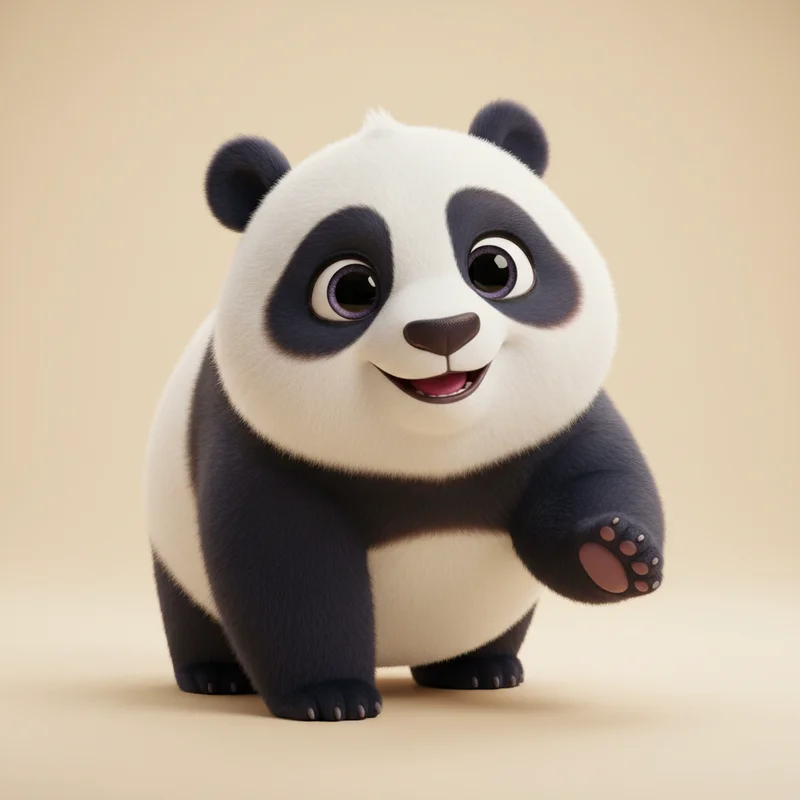
Panda
In captivity, giant pandas achieve lifespans of 25 to 30 years, with the oldest recorded individual reaching 38 years. Wild pandas fare somewhat less well, with estimates suggesting 15 to 20 years as typical, assuming successful navigation of habitat fragmentation, dietary limitations, and the species' general disinclination toward activities that might ensure survival.
The panda's lifespan must be contextualised against its reproductive output. Female pandas are fertile for approximately 24 to 72 hours annually. The combination of limited fertility windows, male disinterest, and cub mortality rates approaching 40% means that panda longevity contributes less to population sustainability than one might hope. Each panda lives a reasonably long life; the species simply produces too few of them to matter.
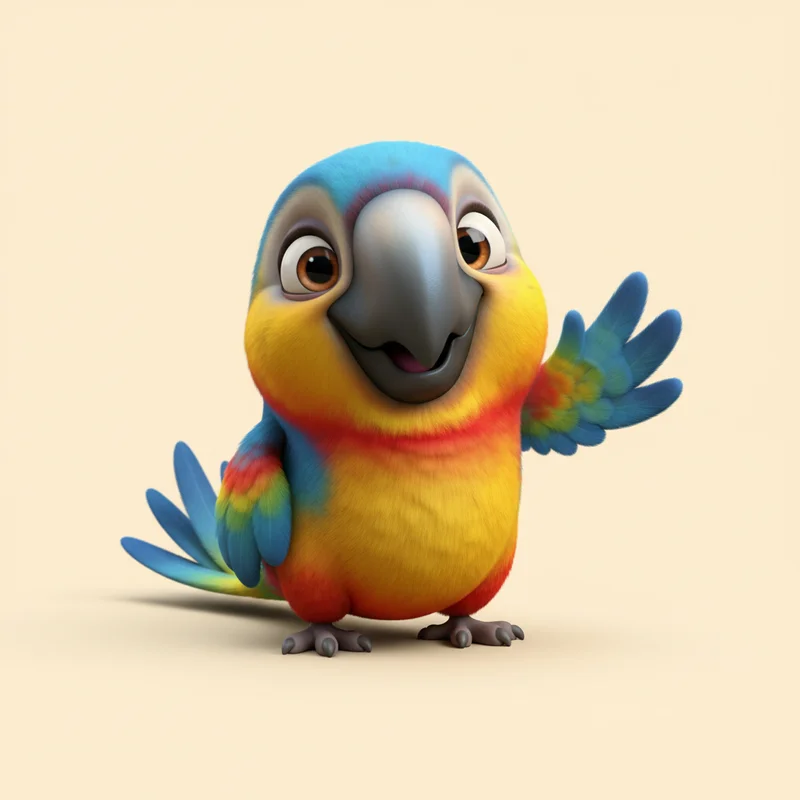
Parrot
Parrots represent some of the longest-lived birds on Earth, with larger species routinely exceeding 50 years in captivity. Macaws have been documented at 80 years and beyond, outliving multiple human generations. A cockatoo named Cookie at Brookfield Zoo reached 83 years before his death in 2016. These are not exceptions but expectations: parrot acquisition is frequently a multi-generational commitment.
This extraordinary longevity creates peculiar human-animal relationships. Parrots outlive their owners with sufficient regularity that provision for parrot inheritance has become a recognised aspect of estate planning. The bird that learns to call one's name may well continue using it decades after one's death, in the home of a relative who never knew the original referent. Parrot longevity is not merely impressive; it is occasionally unsettling.
VERDICT
The mathematics admit no ambiguity. Parrots routinely achieve lifespans two to three times that of pandas, and they do so whilst successfully reproducing, a combination the panda has not managed. In longevity terms, the parrot wins by decades, and it will still be winning long after this comparison has been forgotten.