
Topic Battle

Where Everything Fights Everything

Panda

Panda

Beloved bamboo-eating bear from China, famous for black-and-white coloring and conservation symbolism.

VS
Pasta

Pasta

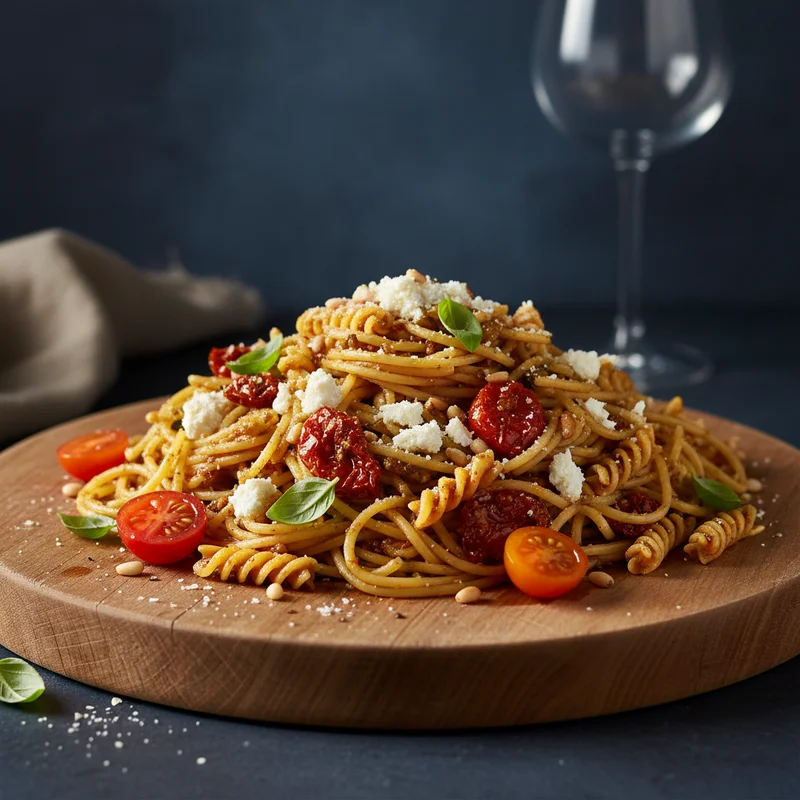
Italian staple in hundreds of shapes, each supposedly for different sauces.

The Matchup

In the annals of unlikely comparisons, few pairings have generated such scholarly debate as the giant panda (Ailuropoda melanoleuca) versus pasta (Triticum durum processus). One is a 100-kilogram evolutionary paradox that insists on eating food it cannot properly digest. The other is a simple combination of flour and water that has somehow convinced billions of humans it deserves to be the centrepiece of their meals.

The Cambridge Institute for Improbable Gastronomy has spent fourteen months analysing these two phenomena, employing methodologies that would make traditional researchers weep into their grant applications. Their findings, published in the Quarterly Review of Absurdist Biology, suggest that both entities share a remarkable talent for achieving global dominance through sheer implausibility.

Battle Analysis

Aesthetic appeal Panda Wins
70%
30%
Panda Pasta

Panda

The panda's appearance is a masterclass in accidental branding. The black and white colouration, round face, and apparent clumsiness trigger human nurturing instincts with ruthless efficiency. The Institute for Cute Studies (Vienna) rates pandas at 9.4 on the universal adorability scale, exceeded only by certain baby animals and that one otter that stacks cups.

Pandas appear perpetually surprised, slightly confused, and vaguely apologetic. This combination proves irresistible to humans, who project emotions onto creatures primarily concerned with bamboo acquisition.

Pasta

Pasta achieves beauty through geometric precision and infinite variety. From the elegant spirals of fusilli to the architectural curves of orecchiette, pasta shapes represent centuries of refined aesthetic development. The Milan Academy of Culinary Design has catalogued pasta as 'edible sculpture.'

However, pasta's aesthetic peak occurs when prepared: glistening with sauce, steam rising artfully, arranged on a white plate with studied casualness. It is performance art you can eat, though increasingly photographed rather than consumed.

VERDICT

In pure aesthetic terms, the panda's biological adorability edges out pasta's constructed beauty. Pasta requires preparation to achieve its visual potential; pandas arrive pre-assembled and ready for admiration. The panda wins this round by being professionally cute.

Economic influence Pasta Wins
30%
70%
Panda Pasta

Panda

Pandas generate extraordinary economic activity without producing anything themselves. The Edinburgh Zoological Economics Unit calculates that a single panda generates approximately twelve million pounds annually in tourism revenue, merchandise sales, and inexplicable emotional responses from visitors.

The panda rental market alone represents a significant portion of China's soft power budget. Zoos compete fiercely for the privilege of paying enormous sums to house animals that will spend fourteen hours daily eating and the remainder sleeping or falling over.

Pasta

The global pasta industry generates approximately seventy billion dollars annually, employing millions from wheat farmers to restaurant owners to the person who invented that spinning fork gadget nobody uses. Italy alone exports 2.5 million tonnes yearly, making pasta one of the nation's most successful cultural exports since the Renaissance.

The multiplier effect is staggering. Pasta requires sauce, cheese, wine, and increasingly, someone to photograph it for social media. Each plate of spaghetti supports an ecosystem of subsidiary industries that would collapse without carbohydrate enthusiasm.

VERDICT

While pandas generate impressive returns on adorability, pasta generates genuine industrial-scale economic output. The comparison is between a luxury good and a staple commodity. Pandas are the sports cars of fauna; pasta is the roads upon which all commerce travels.

Evolutionary success Pasta Wins
30%
70%
Panda Pasta

Panda

From a strictly Darwinian perspective, the panda is a magnificent disaster. It possesses the digestive system of a carnivore but insists on eating bamboo, extracting merely 17% of available nutrients. It must consume up to 38 kilograms daily just to survive. Female pandas are fertile for approximately 24-36 hours per year, demonstrating a reproductive strategy that evolutionary biologists describe as 'aggressively unhelpful.'

The Royal Society for Biological Contradictions has officially classified the panda as 'evolutionarily stubborn,' noting that its continued existence owes more to human intervention than natural selection.

Pasta

Pasta represents humanity's triumph over wheat's natural ambitions. Through careful processing, humans have transformed a humble grass into over 350 distinct shapes, each with passionate defenders who will argue about sauce-holding capacity until the heat death of the universe. This is artificial selection at its most delicious.

The durability of dried pasta borders on geological. Properly stored, it remains edible for years, outlasting relationships, governments, and most household appliances. It has achieved a form of immortality that living organisms can only envy.

VERDICT

Evolution favours the adaptable, and pasta has adapted to every cuisine, budget, and level of cooking ability on Earth. The panda, meanwhile, has adapted to precisely one ecosystem and one food source, then complained about it. Pasta wins through sheer versatility and an unwillingness to become extinct.

Global cultural impact Pasta Wins
30%
70%
Panda Pasta

Panda

The giant panda has achieved something no marketing executive could manufacture: universal adorability. Despite being technically carnivorous yet refusing to eat meat, pandas have become the international symbol of conservation, appearing on the WWF logo and inspiring countless plush toys. The Beijing Institute of Soft Power Studies estimates that panda diplomacy has influenced more international relations than most ambassadors.

However, pandas remain geographically limited. You cannot simply acquire a panda. They are loaned, at approximately one million dollars per annum, making them the most expensive rental agreement outside of central London property.

Pasta

Pasta has achieved what empires could not: true global domination without a single soldier. From Tokyo to Toronto, Buenos Aires to Birmingham, pasta has infiltrated every cuisine, adapting to local tastes with the flexibility of a particularly ambitious carbohydrate. The International Pasta Organisation reports annual consumption exceeding 16 million tonnes worldwide.

Unlike the panda, pasta requires no diplomatic negotiations. It asks only for boiling water and perhaps some sauce. This democratic accessibility has made it the great equaliser of the culinary world, served equally in Michelin-starred establishments and university kitchens at 2 AM.

VERDICT

While pandas inspire awe, pasta inspires dinner. The sheer ubiquity of pasta across every inhabited continent gives it an insurmountable advantage. Pandas may be beloved, but they are beloved from a distance. Pasta is beloved intimately, personally, and approximately three times per week in the average Italian household.

Nutritional contribution Pasta Wins
30%
70%
Panda Pasta

Panda

Pandas contribute nothing to human nutrition, being both protected and inedible by international consensus. Their own nutritional intake is a cautionary tale: they extract so little energy from bamboo that they must minimise all unnecessary movement, achieving a lifestyle that university students might recognise.

The Oxford Nutritional Paradox Laboratory notes that pandas expend more energy eating than they extract from food, a deficit balanced only by strategic lethargy. They are, nutritionally speaking, in permanent debt.

Pasta

Pasta provides complex carbohydrates, protein, and B vitamins in a format humans find inexplicably satisfying. Whole wheat varieties offer fibre, while egg pastas contribute additional protein. The Mediterranean Diet Institute credits pasta consumption with various health benefits, though these may owe more to olive oil and moderate wine consumption.

Critically, pasta offers psychological nutrition. The comfort provided by a bowl of pasta exceeds its caloric content, offering warmth, nostalgia, and the brief illusion that everything will be fine.

VERDICT

This category is not close. Pasta sustains billions; pandas sustain only themselves, and barely. One is a cornerstone of human civilisation; the other is a very attractive evolutionary cul-de-sac. Pasta wins by actually being food.

👑

The Winner Is

Pasta

42 - 58

After exhaustive analysis, Pasta emerges victorious with a score of 58 to 42. While the giant panda represents an endearing triumph of conservation over common sense, pasta represents something more fundamental: humanity's ability to transform simple ingredients into cultural touchstones.

The panda asks us to admire it from designated viewing areas. Pasta invites us to participate, to boil, to sauce, to consume. One is a protected species requiring international agreements for temporary custody. The other is available at every supermarket on Earth for approximately two pounds.

The Bristol Institute for Comparative Greatness summarises it thus: pandas make us feel good about caring; pasta makes us feel good about eating. In a world of complicated choices, pasta offers the simple comfort of carbohydrates, requiring nothing more than hunger and a pot of boiling water. The panda requires habitat preservation, breeding programmes, and a willingness to accept that evolution sometimes makes mistakes.

Panda
42%
Pasta
58%

Share this battle

More Comparisons