
Where Everything Fights Everything

Panda vs Rice

😜 Just for fun — a tongue-in-cheek, gloriously unscientific showdown.

Panda

Panda

Beloved bamboo-eating bear from China, famous for black-and-white coloring and conservation symbolism.

VS
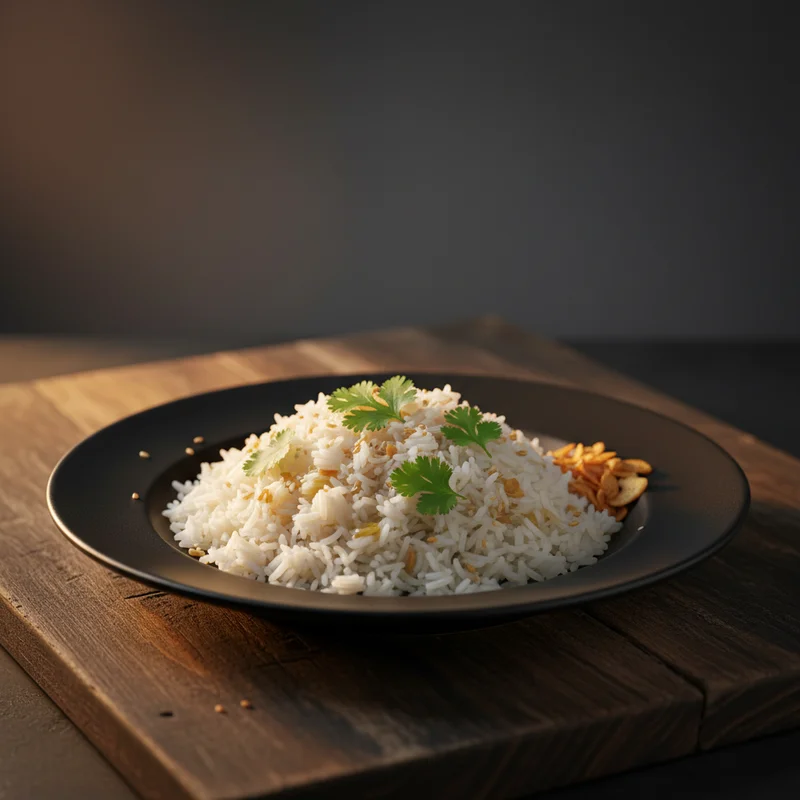
Rice

Rice

Grain feeding half the world's population daily.

Battle Analysis

Global reach Rice Wins
🏆 Rice takes this round

Panda

The giant panda's global presence operates through carefully managed scarcity. Approximately 1,864 individuals exist in the wild, concentrated within Sichuan, Shaanxi, and Gansu provinces. Beyond China's borders, pandas appear in only 27 zoos worldwide, each paying substantial lease fees for the privilege of housing these monochromatic ambassadors. Recognition rates approach near-universality in developed nations, yet physical encounters remain extraordinarily rare. The panda has achieved global emotional colonisation whilst maintaining physical exclusivity—a remarkable diplomatic strategy that ensures perpetual demand.

Rice

Rice has achieved territorial conquest that would make history's greatest empires weep with inadequacy. Cultivated across 162 countries, the grain dominates agricultural landscapes from the terraced paddies of Bali to the Mississippi Delta. Global production exceeds 500 million tonnes annually, with consumption patterns so deeply embedded that entire cuisines are architecturally designed around its presence. In Asia, rice is not merely food but cultural infrastructure—the word for meal and the word for rice being identical in numerous languages. Unlike the panda's managed scarcity, rice achieves influence through overwhelming abundance.

VERDICT

Rice physically sustains half of humanity; pandas emotionally engage humanity from a considerable distance.
Economic impact Rice Wins
🏆 Rice takes this round

Panda

The panda economy operates on principles of calculated scarcity and emotional manipulation. Zoo pandas generate substantial tourism revenue—Edinburgh Zoo reportedly experienced visitor increases of 51 percent following their pandas' arrival. The global panda merchandise market, from plush toys to corporate branding, generates billions annually. Conservation programmes command budgets exceeding fifty million pounds yearly. Yet this economic activity represents discretionary spending: entertainment and sentiment rather than necessity. No economy collapses without panda access.

Rice

Rice underpins economic systems across Asia with foundational importance. The crop provides primary income for approximately 144 million farm households globally. Rice price fluctuations have toppled governments—the 2008 rice crisis sparked food riots across multiple nations. The grain generates annual trade worth exceeding twenty billion dollars, with export revenues determining national economic health for Thailand, Vietnam, and India. Rice is not merely an economic commodity but an economic necessity; its failure represents not inconvenience but civilisational crisis. Food security strategies across Asia remain fundamentally rice security strategies.

VERDICT

Rice shortages destabilise governments; panda shortages merely disappoint zoo visitors.
Survival instinct Rice Wins
🏆 Rice takes this round

Panda

The giant panda represents evolutionary stubbornness of almost admirable absurdity. A bear that abandoned meat for bamboo—a nutritionally deficient grass requiring consumption of up to 38 kilograms daily to meet caloric needs. A species with notoriously reluctant breeding habits, where females are fertile for merely 24 to 36 hours annually. A creature so poorly adapted to its chosen lifestyle that it must spend 14 hours daily eating simply to survive. The panda's continued existence owes more to human intervention than natural selection, representing a species that has essentially outsourced its survival to international conservation programmes.

Rice

Rice demonstrates adaptation bordering on agricultural genius. The grain has developed varieties suited to conditions ranging from flooded paddies to dry highlands, from tropical heat to temperate climates. Over 40,000 varieties exist, each representing generations of selective breeding for local conditions. Rice survives floods through elongation, tolerates drought through dormancy, and has co-evolved with human agricultural practices over nine millennia. Where the panda stubbornly refuses to adapt, rice has become perhaps the most flexible crop species on Earth, bending to human needs whilst maintaining its fundamental utility.

VERDICT

Rice has evolved forty thousand varieties for survival; pandas have evolved international sympathy as their survival strategy.
Cultural significance Rice Wins
🏆 Rice takes this round

Panda

Panda diplomacy represents one of modern history's most successful soft power initiatives. The practice traces back to 685 CE, when Empress Wu Zetian gifted pandas to Japan. The contemporary programme transforms the species into living diplomatic currency, with loan agreements generating approximately one million dollars annually per breeding pair. The 2008 Beijing Olympics mascot Jingjing cemented the panda's status as China's official face to the world. Yet this cultural significance remains predominantly symbolic and relatively recent in historical terms.

Rice

Rice cultivation fundamentally altered human civilisation. The development of wet-rice agriculture approximately 9,000 years ago in the Yangtze River valley enabled population densities that birthed complex societies. Japanese Shinto rituals venerate rice spirits; Thai kings historically held the title 'Lord of Rice.' The grain appears in wedding ceremonies across Asia as a symbol of fertility and prosperity. Rice paddies themselves constitute cultural landscapes—UNESCO has recognised the Honghe Hani Rice Terraces and the Philippine Cordilleras as World Heritage Sites. The cultural weight of rice is measured not in decades of diplomatic loans but in millennia of civilisational dependence.

VERDICT

Rice enabled civilisations to exist; pandas serve as their charming ornamental mascots.
Nutritional contribution Rice Wins
🏆 Rice takes this round

Panda

The giant panda contributes nothing whatsoever to human nutrition—a point worth stating explicitly. Despite being a bear, and therefore theoretically edible, no documented tradition of panda consumption exists. The species is protected under Chinese law with penalties including imprisonment for up to ten years. Pandas provide emotional sustenance through observation, releasing dopamine in viewers through their apparent clumsiness and distinctive colouration. This neurochemical contribution, whilst measurable, cannot substitute for actual calories during famine conditions.

Rice

Rice provides approximately twenty percent of global human caloric intake—a figure that rises to fifty percent across much of Asia. A single hectare of rice paddy can sustain 5.7 people annually, outperforming wheat and maize in caloric density per unit of agricultural land. The grain supplies essential carbohydrates, moderate protein, and, when unpolished, significant B vitamins and minerals. Rice has prevented more human deaths through starvation than perhaps any other single food source in history. Its nutritional contribution is measured not in feelings but in survival.

VERDICT

Rice feeds 3.5 billion humans daily; pandas feed only upon bamboo and human goodwill.
👑

The Winner Is

Rice

Takes 5 of 5 rounds

This analysis reveals a contest between symbolism and substance, between what humanity admires and what humanity requires. The giant panda has achieved remarkable success as a conservation icon and diplomatic instrument, leveraging its unique appearance into global emotional investment. Yet when measured against rice's fundamental contribution to human existence, the panda's achievements appear primarily decorative. Rice has enabled the civilisations that now possess the leisure to concern themselves with panda conservation. The paddies of Asia fed the populations that built the cities that now house the zoos displaying borrowed pandas. Without rice, the infrastructure for appreciating pandas—indeed, for appreciating anything—would not exist. The panda wins hearts; rice wins the contest of significance through the unassailable argument of essential necessity.

Share this battle

More Comparisons