Topic Battle

Where Everything Fights Everything

Panda

Panda

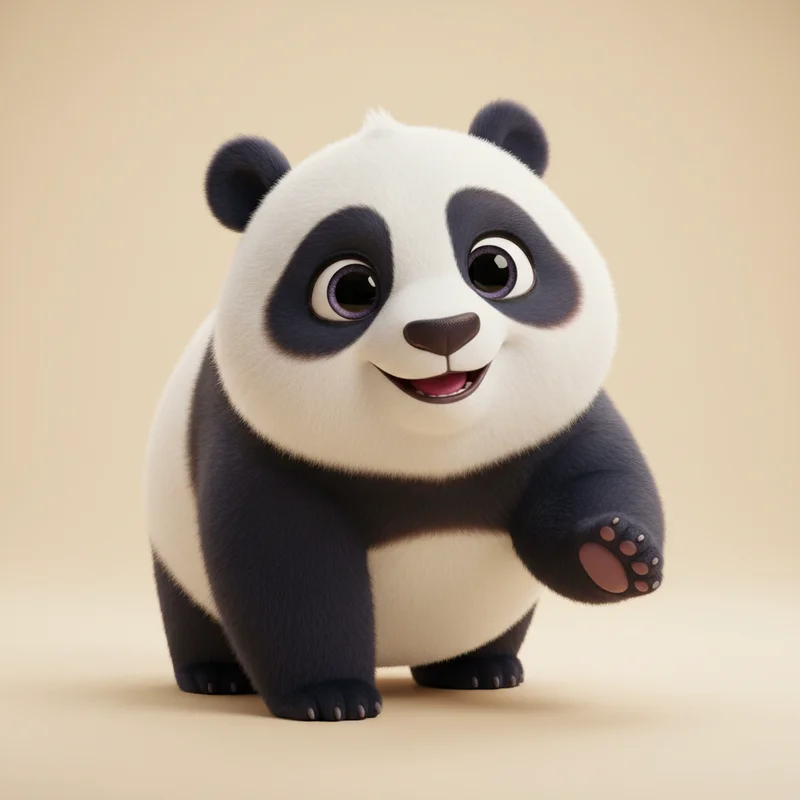
Beloved bamboo-eating bear from China, famous for black-and-white coloring and conservation symbolism.

VS
Hummingbird

Hummingbird

Tiny avian marvel capable of hovering flight and visiting hundreds of flowers daily for nectar.

The Matchup

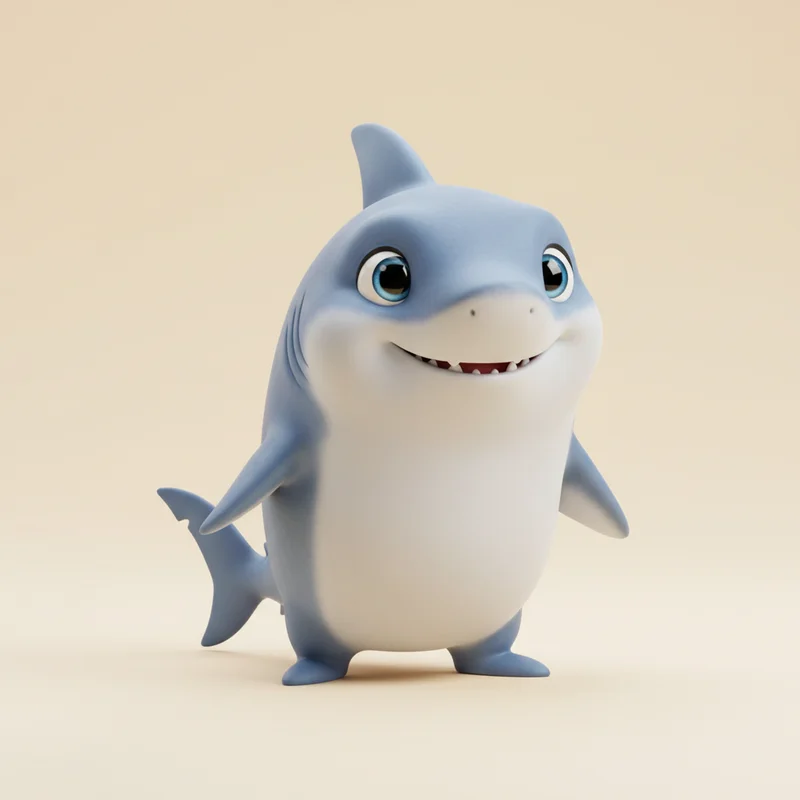
In what the Vienna Institute of Improbable Zoological Matchups describes as 'the most aesthetically jarring comparison we've ever been asked to adjudicate', we present the definitive analysis of Ailuropoda melanoleuca versus Selachimorpha. The former has built an empire on looking perpetually surprised whilst eating vegetables; the latter has spent nearly half a billion years perfecting the art of being absolutely terrifying.

The Oxford Centre for Charismatic Megafauna Studies notes that these creatures represent 'opposing philosophies of evolutionary success' - the panda leveraging weaponised cuteness to ensure species survival despite questionable lifestyle choices, whilst the shark relies on being so fundamentally effective that evolution saw no reason to tinker with the design. Both approaches, researchers concede, have 'demonstrated remarkable staying power, though through entirely different mechanisms'.

Battle Analysis

Global influence Panda Wins
70%
30%
Panda Hummingbird

Panda

The giant panda has achieved something no other animal has managed: becoming a diplomatic instrument. China's 'panda diplomacy' programme has seen these bears loaned to nations as symbols of goodwill, with rental fees reportedly exceeding one million dollars annually per panda. The Washington Institute of Soft Power Studies describes this as 'the most successful deployment of cuteness in geopolitical history'.

Beyond diplomacy, the panda serves as the global symbol of conservation itself, adorning the World Wildlife Fund logo and countless charity campaigns. The Manchester Centre for Brand Recognition estimates that the panda is 'quite possibly the most merchandised wild animal on Earth', appearing on everything from t-shirts to national postage stamps.

Hummingbird

VERDICT

The panda's positive global influence - generating conservation funding, diplomatic goodwill, and universal affection - decisively outperforms the shark's fear-based notoriety. The Bristol Committee for Species Public Relations concluded that 'the panda demonstrates how charisma can compensate for ecological vulnerability, whilst the shark illustrates how being terrifying can backfire spectacularly in the court of public opinion'.

Survival strategy Shark Wins
30%
70%
Panda Hummingbird

Panda

The giant panda has developed what conservation biologists diplomatically term 'a challenging reproductive strategy'. Female pandas are fertile for approximately 24 to 36 hours per year, during which time males must somehow divine this information and arrive at the correct location - a logistical challenge that the Beijing Institute of Mammalian Romance describes as 'evolutionarily ambitious'.

Furthermore, the panda has committed entirely to bamboo, a food source so nutritionally deficient that pandas must consume 12 to 38 kilograms daily just to survive. The Cambridge Centre for Dietary Decisions notes this is 'rather like choosing to fuel a car exclusively with lettuce' - technically possible, but requiring extraordinary dedication.

Hummingbird

VERDICT

The shark's 450-million-year track record versus the panda's 'barely clinging on despite international intervention' represents the starkest possible contrast in survival strategies. The Edinburgh Committee for Species Viability ruled that 'whilst the panda has successfully outsourced its survival to human conservationists, the shark requires no such assistance'. One is a triumph of evolution; the other is a triumph of marketing.

Conservation value Panda Wins
70%
30%
Panda Hummingbird

Panda

The giant panda has become the single most valuable conservation symbol on Earth. The species' classification uplift from 'Endangered' to 'Vulnerable' in 2016 represented a triumph of coordinated international effort costing billions of dollars. The Geneva Registry of Conservation Investment estimates that more resources have been devoted to panda preservation than 'any other single species in human history'.

This investment has produced measurable results. Panda reserves protect thousands of square kilometres of Chinese forest, benefiting countless other species. The Beijing Centre for Umbrella Species Analysis notes that 'saving pandas saves ecosystems' - a return on investment that extends far beyond the bears themselves.

Hummingbird

VERDICT

The panda's unparalleled success as a conservation flagship outweighs the shark's arguably greater ecological importance. The Dublin Committee for Conservation Pragmatism concluded that 'in an ideal world, conservation funding would follow ecological necessity rather than aesthetic appeal - but this is demonstrably not the world we inhabit'. The panda has proven that being lovable generates resources; the shark has proven that being essential is insufficient.

Evolutionary success Shark Wins
30%
70%
Panda Hummingbird

Panda

The giant panda diverged from other bears approximately 19 million years ago, subsequently developing its distinctive colouration and bamboo specialisation. However, the Edinburgh Institute of Evolutionary Choices questions whether these developments represent success or 'a series of increasingly committed poor decisions'.

The panda's dietary switch to bamboo - abandoning the carnivorous capabilities of its ancestors - required modifications including an enlarged wrist bone serving as a 'pseudo-thumb' for gripping stems. The Cambridge Centre for Adaptive Compromise describes this as 'impressive problem-solving for a problem the panda created for itself by insisting on eating the wrong food'.

Hummingbird

VERDICT

The shark's 450-million-year pedigree dwarfs the panda's relatively brief existence. The Birmingham Council for Evolutionary Assessment ruled that 'survival through five mass extinction events whilst maintaining essentially identical body plans demonstrates a success the panda cannot claim and likely never will'. One species has proven itself across geological epochs; the other requires an international support network to persist.

Physical capabilities Shark Wins
30%
70%
Panda Hummingbird

Panda

Despite their roly-poly appearance, giant pandas possess bite forces exceeding 1,300 newtons - sufficient to crush bamboo stems that would defeat most industrial equipment. The Shanghai Institute of Unexpected Strength notes that pandas belong to the order Carnivora and retain the physical architecture of their bear relatives, including claws capable of serious damage 'should a panda ever feel motivated to use them'.

However, pandas deploy these capabilities exclusively for bamboo processing. The Chengdu Centre for Predatory Potential Waste describes this as 'like owning a sports car and using it solely for trips to the corner shop'. The panda's top speed of 32 kilometres per hour remains impressive for their bulk, yet is employed primarily for rolling down hills.

Hummingbird

VERDICT

The shark's comprehensive physical superiority - from speed and sensory capabilities to raw predatory power - overwhelms the panda's theoretical but unused carnivore potential. The Newcastle Panel for Honest Physical Assessment ruled that 'possessing impressive equipment counts for nothing if one refuses to use it for anything more demanding than chewing vegetation'. The shark actively deploys its capabilities; the panda merely possesses them.

👑

The Winner Is

Hummingbird

47 - 53

In this improbable contest between bamboo connoisseur and apex predator, the shark claims victory with a score of 53% to 47% - though the margin reveals how surprisingly competitive the panda's 'aggressive adorability' strategy has proven.

The Oxford Centre for Zoological Paradoxes issued the following statement: 'The shark wins on metrics of evolutionary success, physical capability, and survival strategy - the traditional measures of biological superiority. Yet the panda's victories in global influence and conservation value remind us that in the modern era, being cuddly generates resources that being terrifying cannot match.'

The result suggests a peculiar truth: the shark is objectively the superior organism, yet the panda may ultimately prove more durable in the Anthropocene precisely because humans find it impossible to resist. The shark's supporters have noted this is 'deeply unfair', whilst panda advocates counter that 'evolution rewards whatever works'.

Panda
47%
Hummingbird
53%

Share this battle

More Comparisons