
Longevity
Panda Wins
Panda takes this round
Panda
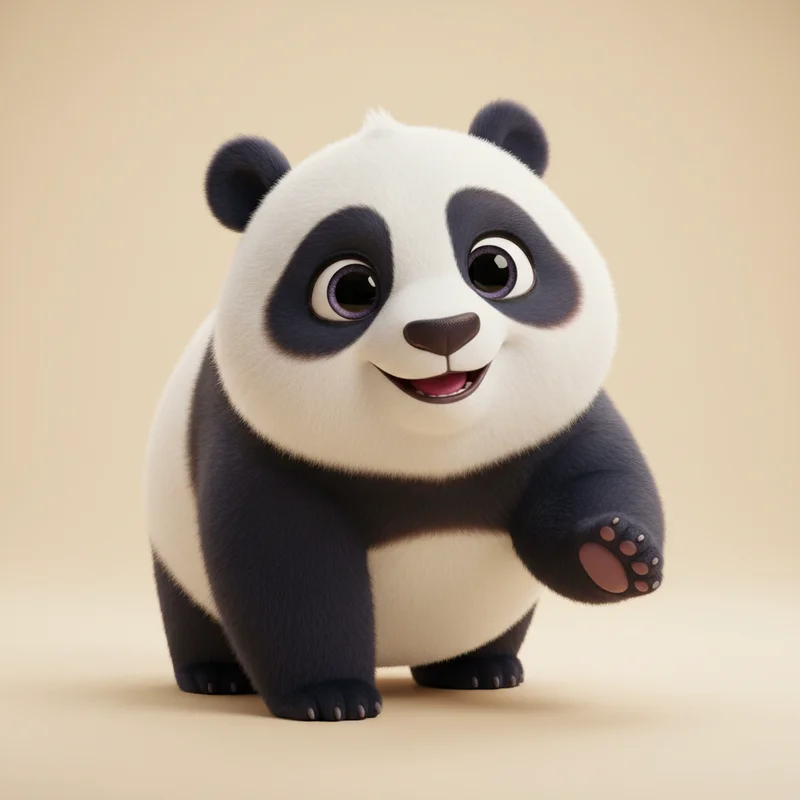
The giant panda represents approximately three million years of evolutionary persistence. This species survived ice ages, continental drift, and the rise and fall of countless civilisations before humans developed the capacity to appreciate its aesthetic qualities. The panda's physical form has remained remarkably consistent throughout the Pleistocene epoch. Barring catastrophic intervention, the species—now numbering over eighteen hundred individuals in the wild—appears positioned for indefinite continuation. The panda will almost certainly outlast any fictional character, any media format, and quite possibly any civilisation currently extant. Time favours existence over invention.
Shrek
Shrek emerged in 2001 and has demonstrated remarkable cultural persistence for a fictional construct. The character has survived platform transitions, generational turnover, and the typically rapid obsolescence of animated properties. Children born after the original film's release now introduce their own children to the material. The character has been referenced in academic papers, political discourse, and countless other contexts suggesting genuine cultural embedding. However, Shrek remains dependent on human memory, media infrastructure, and cultural institutions for continued existence. A sufficient civilisational disruption would erase him entirely whilst pandas might persist.
VERDICT
Three million years of physical existence versus twenty-four years of cultural presence represents an insurmountable temporal advantage.