
Where Everything Fights Everything

Panda vs Social Media

😜 Just for fun — a tongue-in-cheek, gloriously unscientific showdown.

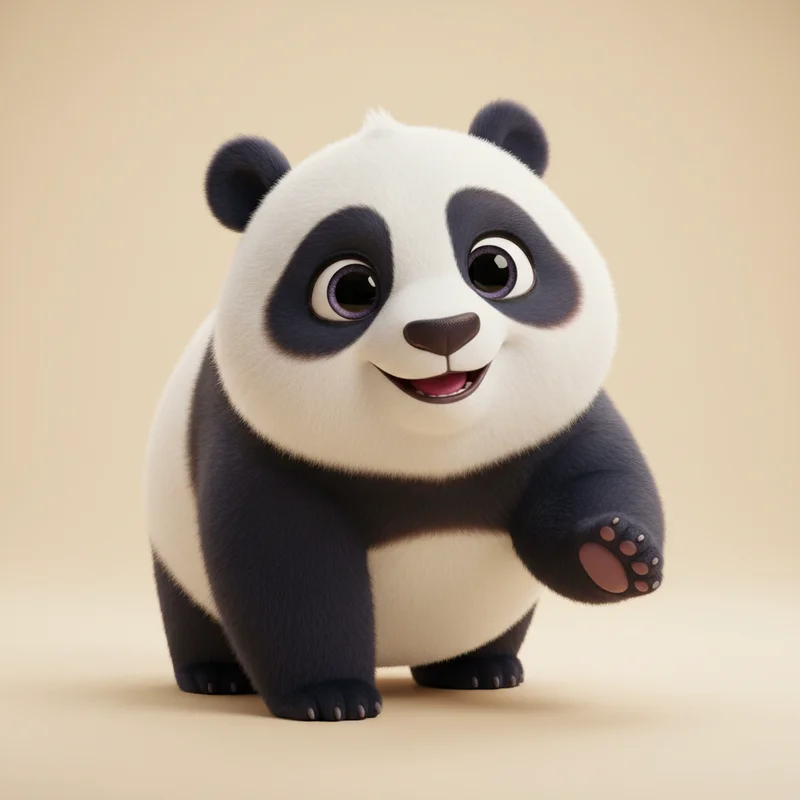
Panda

Panda

Beloved bamboo-eating bear from China, famous for black-and-white coloring and conservation symbolism.

VS
Social Media

Social Media

Digital platforms connecting and dividing humanity simultaneously.

Battle Analysis

0 Social Media Wins · 53%
47%
53%
Panda Social Media

Panda

The giant panda has achieved what marketing executives can only dream of: universal brand recognition without a single advertising pound spent. Featured on the World Wildlife Fund logo since 1961, this black-and-white bear has become synonymous with conservation itself. Approximately 7.9 billion humans can identify a panda on sight, an achievement that required merely 2 million years of evolutionary refinement. The creature's distinctive colouration, developed for camouflage in snowy bamboo forests, has inadvertently created the most recognisable animal silhouette in human consciousness.

Social Media

Social media platforms have achieved near-total global penetration in merely two decades, a blink in evolutionary terms. Facebook alone claims 3 billion monthly active users, whilst platforms collectively reach an estimated 4.9 billion individuals worldwide. The distinctive icons of these platforms have become as recognisable as national flags, with the blue bird and camera lens achieving instant identification across language barriers. This recognition was engineered deliberately through billions in marketing expenditure and psychological research, yet somehow feels organic to its users.

VERDICT

Social media reaches more humans daily than pandas have encountered in their entire evolutionary history.
1 Panda Wins · 78%
78%
22%
Panda Social Media

Panda

Scientific studies have demonstrated that observing pandas produces measurable reductions in cortisol levels and blood pressure. The Edinburgh Zoo reported that visitors spending merely fifteen minutes watching their pandas showed a 23% decrease in self-reported anxiety. The panda's apparent contentment whilst consuming bamboo, combined with its rotund physiology and leisurely movements, triggers what researchers term the 'relaxation response.' This creature has never once caused a teenager to develop body dysmorphia or political radicalisation.

Social Media

The stress-inducing properties of social media have been documented with alarming thoroughness. Studies published in JAMA Pediatrics correlate platform usage with increased rates of depression, anxiety, and sleep disruption. The infinite scroll mechanism exploits dopamine pathways in ways that clinical psychologists compare unfavourably to gambling addiction. Users report phantom notification sensations and genuine distress when separated from their devices. Social media has achieved the remarkable feat of making humans anxious about both using it and not using it simultaneously.

VERDICT

Pandas have never required a mental health warning label or congressional testimony.
2 Social Media Wins · 76%
24%
76%
Panda Social Media

Panda

The giant panda represents an evolutionary cul-de-sac of remarkable specificity. Having descended from carnivorous ancestors, it now subsists almost entirely on bamboo despite possessing a digestive system poorly suited to plant matter. This necessitates consuming up to 38 kilograms daily whilst extracting minimal nutritional value. The panda requires very specific habitat conditions and demonstrates limited capacity for behavioural modification. Its refusal to adapt has paradoxically made humans adapt entire conservation strategies around its requirements.

Social Media

Social media platforms demonstrate adaptation capabilities that would make Darwin weep with professional admiration. When users migrate to new platforms, algorithms evolve within hours to recapture attention. Features are copied, modified, and deployed across platforms with the efficiency of viral transmission. The shift from text to images to short-form video occurred within a single decade, with platforms mutating to accommodate each trend. Social media adapts not merely to survive but to ensure its hosts cannot imagine existence without it.

VERDICT

Social media pivots faster than pandas can finish a single meal.
3 Panda Wins · 53%
53%
47%
Panda Social Media

Panda

The panda's contribution to internet culture cannot be overstated. From the foundational 'Sneezing Baby Panda' video of 2006, which has accrued over 280 million views, to countless images of pandas tumbling from playground equipment, rolling in snow, and sitting in poses that suggest profound existential contemplation, this animal generates shareable content merely by existing. The panda's facial markings create an expression of permanent mild confusion that humans find endlessly relatable. Its content requires no staging, no production value, merely a camera.

Social Media

Social media serves as both the medium and the subject of memes, creating a recursive loop of cultural commentary. Screenshots of posts become memes about posting, which are then posted to become subjects for further screenshots. This meta-textual existence means social media generates content about itself with mechanical efficiency. However, this self-referential nature can limit broader appeal. The platform is the messenger, the message, and occasionally the punchline, but it lacks the inherent visual appeal of a bamboo-clutching bear.

VERDICT

Pandas generate pure content; social media merely hosts it.
4 Panda Wins · 68%
68%
32%
Panda Social Media

Panda

The giant panda as a species has persisted for approximately 2 to 3 million years, navigating ice ages, continental shifts, and the rather more recent challenge of human expansion. Individual pandas live 20 to 30 years in the wild and up to 38 years in captivity. This longevity occurs despite a diet that provides minimal energy and a reproductive strategy that can charitably be described as unenthusiastic. The panda endures through sheer biological stubbornness and the intervention of very dedicated conservationists.

Social Media

Social media platforms demonstrate the corporate lifespan of mayflies in comparison. MySpace rose and fell within a decade. Vine lasted four years. Google Plus became a punchline before achieving a single memorable moment. Even dominant platforms show mortality: Facebook's younger demographic has fled whilst its core users age alongside the interface. The average social media platform exists for roughly the same duration as a panda's pregnancy, which takes a mere 95 to 160 days. Individual accounts prove even more ephemeral.

VERDICT

Pandas have outlived every social media platform by approximately 2.999 million years.
👑

The Winner Is

Panda

Takes 3 of 5 rounds

Social media emerges victorious through sheer metrics of engagement, adaptation, and global penetration, yet this triumph carries the hollow ring of a pyrrhic victory. The platform reaches more humans in a single hour than pandas have encountered across millennia, yet leaves those humans measurably worse for the interaction. Social media adapts with predatory efficiency whilst pandas stubbornly refuse to eat anything sensible, yet the panda's intransigence has inspired billions in conservation funding rather than regulatory hearings. The data supports social media's dominance in quantifiable measures of reach and adaptability, but the panda's categorical victories in stress impact and longevity suggest that winning is not always the same as thriving.

Share this battle

More Comparisons