Where Everything Fights Everything

Panda vs USB Cable

😜 Just for fun — a tongue-in-cheek, gloriously unscientific showdown.

Panda

Panda

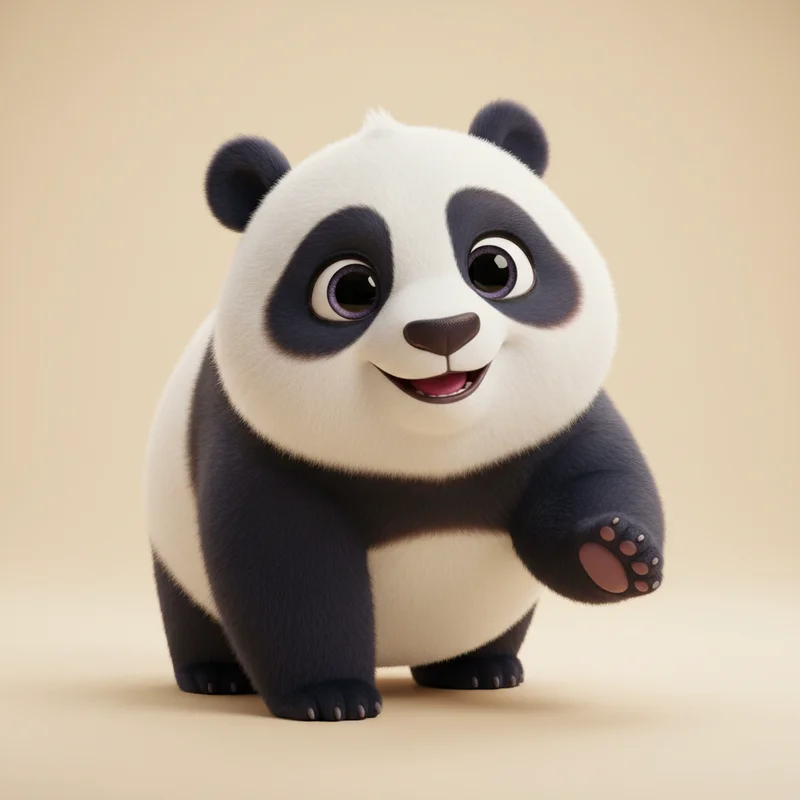
Beloved bamboo-eating bear from China, famous for black-and-white coloring and conservation symbolism.

VS
USB Cable

USB Cable

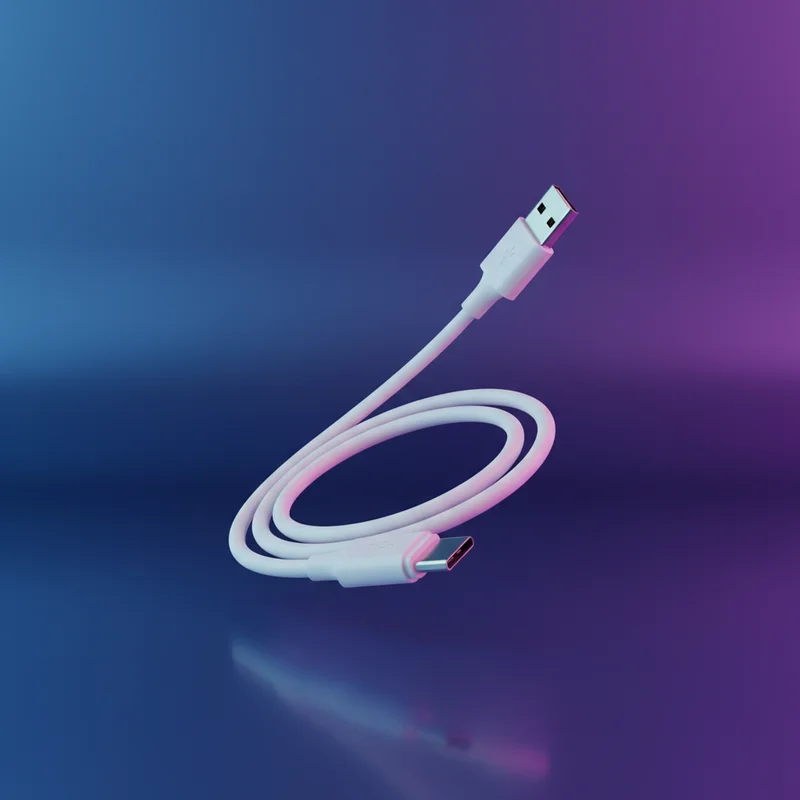
Universal connector that is never facing the right way.

Battle Analysis

Adaptability USB Cable Wins
🏆 USB Cable takes this round

Panda

The giant panda demonstrates what biologists diplomatically term extreme specialisation. Having evolved from omnivorous ancestors, pandas committed to a bamboo-exclusive diet that provides minimal nutritional value, requiring consumption of 12 to 38 kilograms daily merely to survive. Their digestive system remains fundamentally carnivorous, processing bamboo with efficiency rates below 20 percent. Climate change threatens their food source; habitat fragmentation limits genetic diversity; their reproductive reluctance compounds all difficulties. The panda represents evolutionary stubbornness elevated to conservation crisis.

USB Cable

USB cables have demonstrated remarkable evolutionary plasticity across their three-decade existence. From the original USB 1.0 specification transferring data at 1.5 megabits per second, the standard has evolved through USB 2.0, 3.0, 3.1, 3.2, and USB4, achieving current speeds exceeding 40 gigabits per second. Physical formats have diversified into Type-A, Type-B, Mini, Micro, and Type-C variants. The USB cable has adapted to charge telephones, transfer photographs, connect peripherals, and power small appliances—flexibility that would leave pandas deeply envious, had pandas the cognitive capacity for technological envy.

VERDICT

USB standards evolve continuously; pandas remain committed to their unsuccessful dietary strategy.
Global distribution USB Cable Wins
🏆 USB Cable takes this round

Panda

The giant panda maintains one of the most geographically restricted ranges of any large mammal. Wild populations exist solely within six mountain ranges in central China, encompassing approximately 5,900 square kilometres of fragmented habitat. Beyond these reserves, pandas appear only in carefully managed zoo programmes across 27 institutions worldwide, each pair commanding annual loan fees approaching $1 million. This extreme localisation, whilst generating significant conservation concern, has paradoxically enhanced the species' mystique. To encounter a panda requires either pilgrimage to remote Chinese mountains or substantial admission fees at select metropolitan zoos.

USB Cable

USB cables have achieved distribution approaching that of atmospheric oxygen. Conservative estimates place the global stock at over 10 billion units, with annual production exceeding 2 billion additional cables. They occupy desk drawers on every continent, tangle themselves in bags across every time zone, and accumulate in cupboards regardless of cultural or economic conditions. The average Western household contains approximately 12 USB cables, most of whose original purposes have been long forgotten. This distribution represents perhaps the most successful colonisation of domestic space by any manufactured object since the paperclip.

VERDICT

USB cables outnumber pandas by a factor of approximately five million to one.
Cultural significance Panda Wins
🏆 Panda takes this round

Panda

The giant panda has achieved cultural significance rivalled by few living creatures. Its selection as the World Wildlife Fund symbol in 1961 transformed a regional Chinese treasure into a global conservation icon. Panda diplomacy, formalised under Mao Zedong, represents one of modern history's most successful soft power initiatives. The species has appeared on Chinese currency, served as the 2008 Beijing Olympics mascot, and inspired countless films, including the unexpectedly philosophical Kung Fu Panda franchise. Children worldwide recognise the panda silhouette before they can identify their own nation's flag.

USB Cable

USB cables occupy a peculiar cultural position: simultaneously indispensable and despised. The Universal Serial Bus promised to end cable chaos through standardisation, yet somehow multiplied it exponentially. Cultural references typically involve frustration—the drawer of tangled cables, the frantic airport search, the eternal question of which end faces upward. The transition from USB-A to USB-C has generated discourse rivalling religious schisms. Despite this, the USB cable has become shorthand for modern connectivity itself, its icon immediately recognisable across all digital interfaces.

VERDICT

Pandas inspire affection and conservation awareness; USB cables inspire primarily exasperation.
Reproductive efficiency USB Cable Wins
🏆 USB Cable takes this round

Panda

Giant panda reproduction represents one of nature's most confounding inefficiencies. Females remain fertile for merely 24 to 48 hours annually, during which males must successfully navigate complex courtship behaviours that captive animals frequently fail to master. Successful pregnancies produce cubs weighing approximately 100 grams—1/900th of their mother's mass—creating one of the most extreme size differentials in mammalian birth. Captive breeding programmes have invested millions in artificial insemination, panda pornography (actual footage shown to encourage mating behaviour), and elaborate habitat simulation, achieving modest success rates that would bankrupt any commercial breeding operation.

USB Cable

USB cables reproduce through industrial processes of staggering efficiency. A single manufacturing facility in Shenzhen can produce 500,000 cables daily, each emerging fully formed and immediately functional. The reproductive cycle requires no courtship, no seasonal timing, and no maternal investment beyond approximately 90 seconds of assembly line attention. More remarkably, USB cables appear to reproduce spontaneously within domestic environments—a phenomenon documented by frustrated users worldwide who report cable populations exceeding any plausible acquisition history. Scientists remain unable to explain this apparent parthenogenesis.

VERDICT

USB cables replicate at rates pandas could not achieve across geological timescales.
Existential threat level Panda Wins
🏆 Panda takes this round

Panda

The giant panda's conservation status has improved from endangered to vulnerable, a testament to extraordinary intervention. Wild populations have recovered from approximately 1,100 individuals in the 1980s to over 1,800 today. Yet existential threats persist: climate models predict 35 percent bamboo habitat loss by century's end; genetic bottlenecks limit adaptive capacity; human encroachment fragments remaining territories. The species' survival depends entirely upon continued human commitment to expensive, labour-intensive conservation programmes. Without intervention, extinction remains a plausible trajectory.

USB Cable

USB cables face their own existential crisis: the rise of wireless technology. Bluetooth, Wi-Fi, and wireless charging threaten to render physical cables obsolete within consumer electronics. Major smartphone manufacturers have eliminated USB ports from flagship devices; wireless data transfer approaches wired speeds; the dream of a cable-free existence grows ever more achievable. Yet cables persist—wireless headphones still require charging cables, computers still demand physical connections, and certain data-intensive applications remain impractical without wired infrastructure. The USB cable may face retirement rather than extinction.

VERDICT

Pandas face genuine extinction; USB cables merely face technological succession.
👑

The Winner Is

USB Cable

Takes 3 of 5 rounds

This examination reveals a curious inversion of expectations. The giant panda, despite its cultural dominance and emotional resonance, struggles against fundamental biological limitations that no amount of conservation funding can fully overcome. The USB cable, despite universal disdain and wireless competition, demonstrates an adaptability and proliferation that pandas could not achieve across millennia of evolution. The panda offers what the cable cannot: inspiration, wonder, and connection to the natural world. The cable offers what the panda cannot: reliable, universal, daily utility accessible to billions. In purely functional terms, the USB cable emerges victorious through sheer ubiquity and indispensability. Yet this victory feels hollow—one suspects humanity would sacrifice considerable digital convenience to ensure pandas never face the extinction that threatens them. The cable wins the comparison whilst the panda wins our hearts.

Share this battle

More Comparisons