
Topic Battle

Where Everything Fights Everything

Panda

Panda

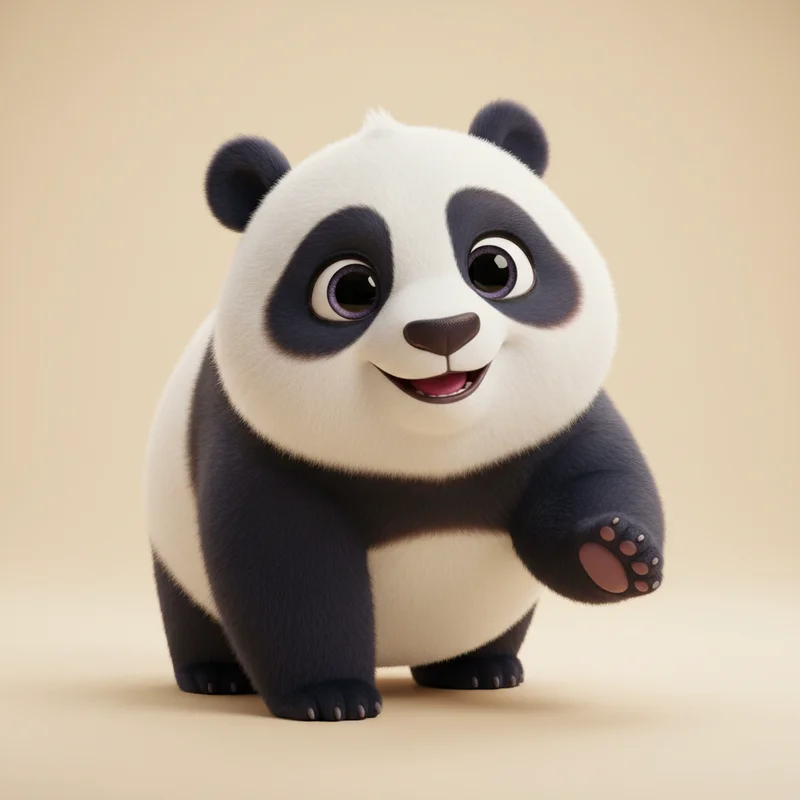
Beloved bamboo-eating bear from China, famous for black-and-white coloring and conservation symbolism.

VS
Whiskey

Whiskey

Distilled spirit aged in barrels and sipped slowly.

Battle Analysis

Scarcity and value Panda Wins
70%
30%
Panda Whiskey

Panda

Fewer than 1,900 giant pandas exist in the wild, with perhaps 600 additional specimens in captivity. This extreme scarcity has generated conservation spending exceeding 250 million pounds over the past decade. The cost to maintain a single panda in captivity runs to several million pounds annually when facility, staffing, and bamboo supply chains are fully accounted.

Breeding proves extraordinarily difficult. Female pandas experience a fertility window of approximately 24 to 72 hours per year. Males demonstrate limited competence in reproductive mechanics. The resulting birth rate makes each new cub a global news event, commanding media attention that royal births might envy.

Whiskey

Rare whiskey has achieved scarcity values that rival fine art. A single bottle of The Macallan 1926 sold for 1.9 million pounds in 2019, establishing spirits as a legitimate asset class. Limited releases from prestigious distilleries appreciate faster than many investment portfolios, creating a secondary market that generates hundreds of millions in annual transactions.

Yet unlike pandas, whiskey scarcity is manufactured rather than biological. Distilleries choose production volumes, decide ageing periods, and control release quantities with precision impossible in wildlife management. This engineered scarcity, whilst commercially brilliant, lacks the existential stakes of genuine species rarity.

VERDICT

Irreplaceable biological scarcity outweighs deliberately manufactured commercial scarcity.
Sensory experience Whiskey Wins
30%
70%
Panda Whiskey

Panda

Encountering a giant panda provides sensory input of remarkable intensity. The visual spectacle of an adult panda, weighing between 100 and 150 kilograms, manipulating bamboo with false thumbs evolved specifically for this purpose, captivates observers regardless of prior zoological interest. The sound of bamboo crunching under panda molars carries a peculiar satisfaction.

Direct physical contact, on those rare occasions when conservation protocols permit, reveals fur of surprising coarseness. The panda's vocalisations, ranging from bleating to barking to what researchers describe as 'honking', contribute to an encounter unlike any other in the animal kingdom. Yet such experiences remain vanishingly rare and strictly regulated.

Whiskey

Whiskey engages every sense simultaneously in ways few substances can match. The visual appreciation of colour ranging from pale gold to deep mahogany, the nasal complexity revealing dozens of identifiable notes from vanilla to peat smoke, the palate journey from initial attack through mid-palate development to finish, all combine into an experience of remarkable sophistication.

Unlike panda encounters, whiskey experiences are infinitely reproducible. A bottle purchased today provides the same sensory journey on the hundredth tasting as the first. Master distillers have spent centuries perfecting the delivery of these experiences, creating reliability no wildlife encounter can promise. The whiskey is always there when wanted, always consistent, always available.

VERDICT

Reliable, repeatable, sophisticated sensory experiences accessible to anyone with modest means.
Conservation impact Panda Wins
70%
30%
Panda Whiskey

Panda

The giant panda has generated conservation outcomes that extend far beyond its own species. The umbrella species effect means that protecting panda habitat simultaneously preserves ecosystems supporting thousands of other species, from golden snub-nosed monkeys to red pandas to countless invertebrates. Every pound spent on panda conservation multiplies across biodiversity.

China has designated 67 panda reserves covering over 3.4 million hectares, primarily justified by panda presence. This land protection would likely never have occurred without the panda's charismatic appeal. The species has functionally purchased the preservation of one of Earth's most biodiverse temperate forests.

Whiskey

Whiskey's environmental footprint presents a more complicated picture. Distilleries consume substantial energy and water, with production of a single bottle requiring up to 150 litres of water when barley cultivation is included. Carbon emissions from ageing warehouses, transportation, and glass production accumulate across the industry's global scale.

Efforts toward sustainability exist. Some distilleries have achieved carbon neutrality, utilised waste heat, and implemented water recycling programmes. Barley cultivation can support farmland biodiversity when managed thoughtfully. Yet whiskey production fundamentally consumes rather than conserves, positioning it as an environmental cost rather than benefit.

VERDICT

Species that generate massive habitat protection provide environmental value that consumption products cannot replicate.
Cultural iconography Panda Wins
70%
30%
Panda Whiskey

Panda

The giant panda has achieved a level of cultural penetration that marketing executives study with undisguised envy. Since 1961, it has served as the symbol of the World Wildlife Fund, making it the most recognised conservation icon on Earth. Its black-and-white colouration provides instant visual recognition across every demographic, language, and cultural barrier.

Panda diplomacy represents a geopolitical phenomenon without parallel in the animal kingdom. China has deployed these monochromatic ambassadors to cement international relationships worth billions of pounds. The loan of a panda pair costs recipient nations approximately one million dollars annually, yet waiting lists stretch for decades. No whiskey, however rare, commands such diplomatic currency.

Whiskey

Whiskey has embedded itself in human culture across centuries and continents. From the monasteries of medieval Ireland to the speakeasies of Prohibition-era America, from Scottish Highland tradition to the izakayas of modern Tokyo, whiskey has shaped social customs, inspired literature, and fuelled both celebration and consolation.

The cultural weight of whiskey expresses itself through ritual. The toast, the nightcap, the dram after the funeral, the celebratory cork after victory, these moments derive meaning from whiskey's participation in them. Writers from Hemingway to Murakami have documented whiskey's role in human experience. Yet unlike the panda, whiskey remains fundamentally a product, however storied, rather than a symbol of something beyond itself.

VERDICT

Achieving status as a global conservation symbol transcends commercial iconography, however distinguished.
Accessibility and democracy Whiskey Wins
30%
70%
Panda Whiskey

Panda

Panda access remains profoundly restricted. Fewer than 30 zoos worldwide house giant pandas, each maintaining the privilege through considerable diplomatic and financial commitment. Travel to observe wild pandas requires permits, guides, and journeys into remote mountain regions of Sichuan Province that prove logistically challenging for most humans.

Even when access is achieved, the panda sets the terms. Visitors might arrive during one of the species' 16 daily hours of feeding or, alternatively, during rest periods that feature minimal activity. The panda offers no guarantee of entertainment, engagement, or even visibility. It exists on its own schedule, utterly indifferent to having attracted an audience.

Whiskey

Whiskey presents itself with democratic openness that few luxury goods can match. A serviceable bottle costs less than a restaurant meal. Quality improves with price, but entry-level offerings from distinguished distilleries remain accessible to ordinary incomes. The experience scales from casual evening relaxation to connoisseurship without gatekeeping.

Geography presents no barrier. Whiskey travels. It waits patiently in cabinets across six continents. It requires no reservation, no permit, no special timing. The ritual of pouring two fingers into a glass has been performed by emperors and students alike, united by shared access to the same fundamental experience.

VERDICT

Universal accessibility and democratic pricing structures create value the panda's exclusivity cannot offer.
👑

The Winner Is

Panda

52 - 48

The panda prevails through something whiskey cannot claim: the capacity to represent hope. Every panda birth signals that extinction can be resisted. Every preserved hectare of bamboo forest demonstrates that development need not consume everything. The species has become humanity's most visible reminder that conservation works when will and resources align.

Whiskey will continue to warm evening hours, smooth social encounters, and provide that peculiar comfort found in amber liquid slowly releasing its complexity. It requires no justification beyond the pleasure it provides. Its place in human culture remains secure, its future assured by demand that shows no sign of diminishing.

But when the final accounting is made, a living symbol of ecological redemption outweighs even the finest spirit. The panda, rolling awkwardly through bamboo forests, has accomplished something no bottle can claim: it has made humanity care about something beyond itself. In an age of consumption, that achievement deserves recognition, however slightly it tips the scales.

Panda
52%
Whiskey
48%

Share this battle

More Comparisons