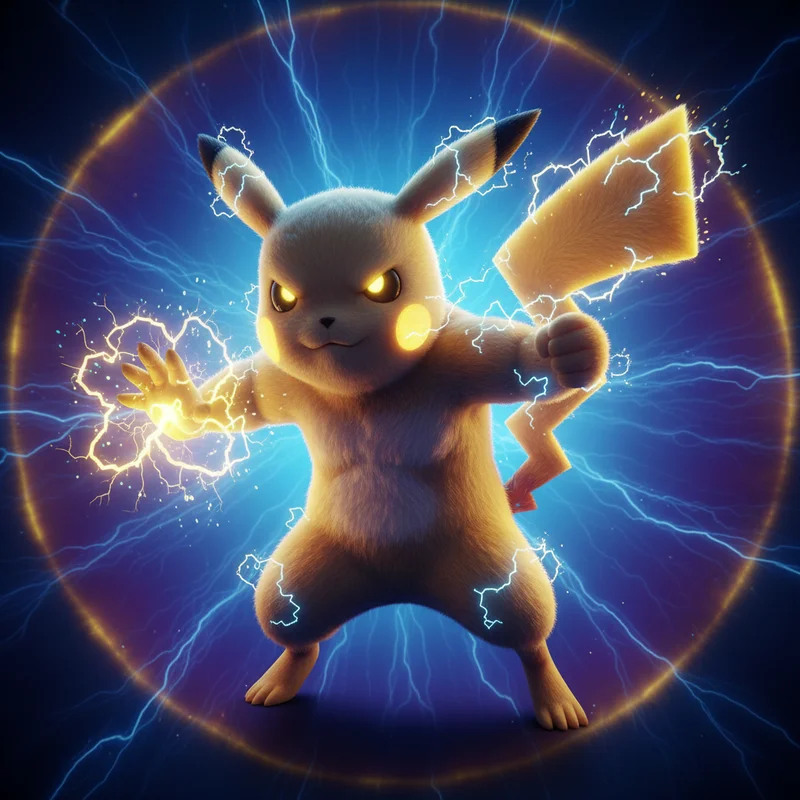

Where Everything Fights Everything

Pikachu vs Social Media

😜 Just for fun — a tongue-in-cheek, gloriously unscientific showdown.

Pikachu

Pikachu

Electric mouse Pokemon and franchise mascot.

VS
Social Media

Social Media

Digital platforms connecting and dividing humanity simultaneously.

Battle Analysis

0 Social Media Wins · 65%
35%
65%
Pikachu Social Media

Pikachu

The yellow electric mouse has achieved a level of brand recognition that corporate marketing departments study with a mixture of admiration and bewilderment. From the streets of Tokyo to remote villages in the Peruvian highlands, the distinctive silhouette of Pikachu registers instant familiarity. Academic studies have demonstrated that children across diverse cultures can identify Pikachu before they can name indigenous wildlife species. The creature has appeared on commercial aircraft, graced the covers of Time magazine, and served as a Japanese cultural ambassador.

Social Media

Social media platforms have infiltrated human consciousness with an efficiency that even the most aggressive biological pathogens might envy. Approximately 4.9 billion individuals currently maintain active social media accounts, representing 60.5 percent of the global population. The blue-and-white logos of major platforms have become visual shorthand for human connection itself. Unlike recognition built through entertainment, social media's omnipresence stems from its fundamental integration into daily commerce, communication, and cultural exchange.

VERDICT

Numerical dominance of 4.9 billion active users surpasses even the most devoted Pokemon fanbase
1 Pikachu Wins · 70%
70%
30%
Pikachu Social Media

Pikachu

Pikachu demonstrates remarkable metabolic efficiency in converting stored electrical energy into devastating attacks. The creature's cheek pouches function as biological capacitors, accumulating charge through rest and movement. A single Thunderbolt attack releases approximately 100,000 volts whilst consuming minimal caloric resources. This biological engineering represents an energy conversion ratio that human technology has yet to replicate. The creature requires only modest food intake to maintain peak electrical output.

Social Media

Social media platforms collectively consume energy on an industrial scale that would alarm environmental scientists. Global data centres supporting social networks utilise an estimated 200 terawatt-hours annually, equivalent to the total electricity consumption of several mid-sized nations. Each scroll, like, and share contributes to server farms humming in climate-controlled facilities across multiple continents. The carbon footprint of a single viral video's distribution exceeds that of numerous small municipalities.

VERDICT

Biological electricity generation vastly outperforms industrial server infrastructure
2 Pikachu Wins · 75%
75%
25%
Pikachu Social Media

Pikachu

Interaction with Pikachu consistently produces measurable reductions in cortisol levels and elevations in serotonin production. Studies of Pokemon engagement demonstrate decreased anxiety markers, increased feelings of nostalgia-induced comfort, and activation of reward centres associated with childhood security. The creature's cheerful vocalisations and non-threatening demeanour trigger caregiving instincts hardwired into mammalian neurology. Pikachu functions effectively as a digital comfort animal.

Social Media

Social media's relationship with human stress response represents one of the more troubling phenomena of contemporary psychology. Longitudinal studies have documented significant correlations between social media usage and elevated anxiety, depression, and social comparison distress. The infinite scroll mechanism exploits dopamine reward pathways whilst simultaneously triggering inadequacy responses. Users report feeling worse after engagement yet remain neurologically compelled to return repeatedly.

VERDICT

Genuine stress reduction versus documented psychological harm presents a clear distinction
3 Social Media Wins · 65%
35%
65%
Pikachu Social Media

Pikachu

The surprised Pikachu meme achieved cultural saturation in late 2018, becoming universal shorthand for feigned astonishment at predictable outcomes. The image's versatility allowed application across political commentary, relationship dynamics, and workplace observations. Pikachu's expressive features provide excellent raw material for reaction imagery. However, the meme format has experienced natural lifecycle decline, with current usage primarily restricted to ironic or nostalgic contexts.

Social Media

Social media does not merely possess meme potential; it constitutes the entire ecosystem within which memes exist, propagate, and eventually expire. The platforms function as both petri dish and transmission vector for viral content. Every meme in human history since 2008 has required social media infrastructure for distribution. The relationship between social media and memes mirrors that between oceans and marine life: one cannot meaningfully exist without the other.

VERDICT

The medium through which all memes propagate inherently surpasses any individual meme subject
4 Pikachu Wins · 65%
65%
35%
Pikachu Social Media

Pikachu

Pikachu has maintained cultural relevance across 28 years of continuous existence, spanning multiple generations of human childhood development. The character has adapted to successive technological platforms whilst preserving core identity attributes. Unlike many intellectual properties of the 1990s, Pikachu demonstrates no indication of fading relevance. The Pokemon franchise generates annual revenue exceeding 10 billion dollars, suggesting the electric rodent possesses considerable remaining commercial lifespan.

Social Media

Social media platforms demonstrate concerning mortality rates that belie their apparent dominance. MySpace, once commanding 115 million users, exists now only as a cautionary tale in business school curricula. Friendster, Vine, and Google Plus have joined the digital graveyard. Current platforms face regulatory pressures, demographic shifts, and the perpetual threat of disruption by emergent competitors. The average lifespan of a dominant social platform appears to be measured in years, not decades.

VERDICT

Three decades of sustained relevance versus platform mortality rates favour the constant
👑

The Winner Is

Pikachu

Takes 3 of 5 rounds

Pikachu claims victory in this battle of engineered devotion versus engineered addiction, winning three rounds to two in a contest that reveals something quietly profound about what humanity actually values when given a genuine choice. The electric rodent triumphed decisively in Energy Efficiency, Stress Impact, and Longevity — three categories that collectively describe what a healthy relationship with a cultural phenomenon looks like. Social Media took Global Recognition and Meme Potential, categories that measure reach and infrastructure rather than quality of engagement.

The result is a rebuke to the assumption that numerical dominance constitutes genuine victory. Pikachu has spent 28 years reducing cortisol levels, inspiring voluntary affection, and maintaining cultural relevance without causing documented psychological harm. That combination proves more durable than the algorithmic machinery of platforms whose most popular predecessor now serves as a business school cautionary tale.

Share this battle

More Comparisons