
Topic Battle

Where Everything Fights Everything

Pizza

Pizza

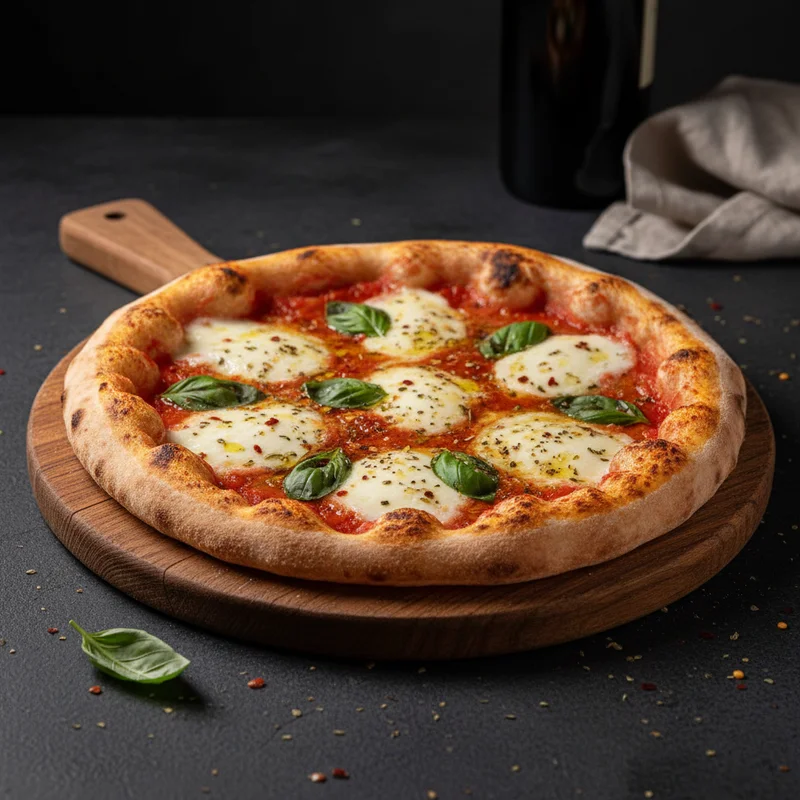
A flat disc of bread that convinced the world that putting everything on top of something is a legitimate cuisine. Somehow both a $1 slice and a $40 artisanal experience, depending on how seriously you take yourself.

VS
Dracula

Dracula

Original vampire count from Transylvania.

Battle Analysis

Adaptability pizza Wins
70%
30%
Pizza Dracula

Pizza

Pizza demonstrates extraordinary adaptive capacity rivalling that of successful biological organisms. From the original Neapolitan simplicity to Chicago's deep-dish mutations, from Hawaiian controversies to Japanese innovations featuring mayonnaise and squid, pizza reshapes itself for every cultural context. Dietary trends produce cauliflower crusts, keto-friendly variants, and protein-enhanced versions. Pizza absorbs local ingredients without losing its essential identity; one recognises pizza whether topped with tandoori chicken in Mumbai or reindeer in Scandinavia. This adaptability ensures survival across changing nutritional fashions and economic conditions.

Dracula

Dracula exhibits remarkable interpretive flexibility whilst maintaining core characteristics. The count has been portrayed as terrifying monster, tragic romantic figure, comedic character, and corporate metaphor. Each generation reinterprets Dracula through contemporary concerns: the 1931 Bela Lugosi version reflected Depression-era anxieties; the 1992 Francis Ford Coppola adaptation explored romantic tragedy; modern interpretations examine themes of addiction and consent. Dracula has adapted to children's programming, cereal mascots, and video games. However, the character requires fundamental narrative structure to function, limiting adaptation to storytelling media exclusively.

VERDICT

Pizza adapts physically and culturally without restriction; Dracula's adaptations remain confined to narrative formats.
Daily utility pizza Wins
70%
30%
Pizza Dracula

Pizza

In terms of practical daily application, pizza demonstrates unparalleled versatility. It functions as breakfast, lunch, dinner, and late-night sustenance. It serves equally well at children's birthday celebrations and corporate board meetings. The pizza adapts to dietary restrictions through gluten-free bases, vegan cheeses, and halal toppings. Cold pizza remains edible, even preferable to some palates. A single phone call or application tap summons pizza to one's door within minutes. The infrastructure supporting pizza delivery represents a significant portion of the gig economy. Pizza provides genuine sustenance, with a typical slice delivering approximately 285 calories of energy.

Dracula

Dracula's daily utility presents significant limitations for the average individual. One cannot summon a vampire count to address hunger, boredom, or social obligations. The character exists primarily within entertainment contexts, requiring deliberate engagement through films, literature, or themed attractions. Dracula offers no nutritional value and cannot be consumed during a work lunch. His utility manifests primarily through psychological catharsis, allowing audiences to safely explore themes of mortality and desire. For creative professionals in horror and entertainment industries, Dracula provides a reliable source of adaptation material, though this utility remains highly specialised.

VERDICT

Pizza addresses fundamental human needs multiple times daily; Dracula serves only occasional entertainment purposes.
Global recognition pizza Wins
70%
30%
Pizza Dracula

Pizza

The pizza has achieved what military strategists might term complete saturation coverage. From the street corners of Tokyo to the shopping centres of Johannesburg, from Arctic research stations to Australian outback towns, the circular flatbread maintains an omnipresent visibility. The global pizza market exceeds 150 billion dollars annually, with an estimated 5 billion pizzas consumed each year. In the United States alone, approximately 350 slices are consumed every second. The word 'pizza' requires no translation; it has been absorbed into virtually every language on Earth as a linguistic constant.

Dracula

Count Dracula possesses what brand consultants would describe as near-universal recognition without requiring purchase or consumption. Studies indicate that Dracula ranks among the most recognised fictional characters globally, competing only with figures such as Sherlock Holmes and Mickey Mouse. The vampire count has appeared in over 200 films, countless television programmes, and has been referenced in every form of media humanity has devised. His image requires no explanation in any culture familiar with Western media. However, this recognition remains passive rather than active; one need never engage with Dracula to know of him.

VERDICT

Pizza commands both recognition and regular engagement, whilst Dracula remains confined to cultural awareness.
Intimidation factor dracula Wins
30%
70%
Pizza Dracula

Pizza

The pizza possesses what researchers might term minimal intimidation capacity. Its circular form presents no sharp edges. Its warmth suggests comfort rather than threat. The most concerning aspect of pizza involves potential cheese-related burns to the roof of the mouth, a temporary inconvenience at worst. Pizza has never featured in horror cinema as an antagonist. No parent has cautioned children about pizzas lurking beneath beds. The flatbread's fundamental approachability represents both its greatest commercial strength and its complete failure as an intimidating presence.

Dracula

Count Dracula embodies centuries of primal human fear. The vampire represents the corruption of death, the invasion of personal space, and the theft of one's very essence. Dracula's abilities include transformation into wolves and bats, control over weather, superhuman strength, and immortality. He can enter homes uninvited in certain adaptations, representing the violation of sanctuary. The count has genuinely terrified audiences since 1897, inspiring actual fear responses in viewers of horror films. Clinical studies document elevated heart rates and cortisol levels in subjects exposed to vampire imagery. No such physiological response accompanies pizza exposure.

VERDICT

Dracula commands genuine fear responses across cultures; pizza has never induced a nightmare in human history.
Historical significance dracula Wins
30%
70%
Pizza Dracula

Pizza

The historical trajectory of pizza reveals a remarkable social evolution. Beginning as sustenance for Neapolitan working classes, the flatbread ascended through Italian society before achieving international status following post-war migration patterns. American servicemen returning from Italy in 1945 brought with them an appetite that would reshape global cuisine. Pizza became intertwined with the democratisation of dining, representing affordable luxury accessible to all economic strata. Its history reflects broader narratives of immigration, cultural exchange, and the industrialisation of food production.

Dracula

Dracula's historical significance extends beyond mere entertainment into the realm of cultural psychology. Stoker's creation synthesised centuries of vampire folklore with Victorian anxieties regarding sexuality, disease, and foreign invasion. The character has been interpreted as representing everything from venereal disease to predatory capitalism. Dracula influenced the entire horror genre, establishing tropes that persist today. The character's cultural impact extends to tourism in Romania, where Bran Castle receives hundreds of thousands of visitors annually, demonstrating how fiction can reshape economic realities.

VERDICT

Dracula's influence on literature, psychology, and cultural criticism exceeds pizza's culinary evolution in scholarly depth.
👑

The Winner Is

Pizza

54 - 46

This investigation reveals that both entities have achieved extraordinary penetration of human consciousness through entirely different mechanisms. Dracula operates through the realm of imagination, exploiting fundamental fears whilst offering the dark appeal of immortality. Pizza operates through the realm of the physical, providing tangible satisfaction to billions of humans daily. The vampire count endures through cultural memory; the flatbread endures through continuous consumption.

The decisive factor emerges from frequency of engagement. Whilst Dracula may occupy a permanent position in humanity's collective unconscious, pizza occupies a permanent position in humanity's collective digestive system. The average person encounters pizza dozens of times annually as active participant; they encounter Dracula perhaps once or twice yearly as passive observer. Pizza generates constant economic activity, employment, and genuine nutritional sustenance.

We must acknowledge Dracula's superior performance in intimidation and historical significance, dimensions where pizza cannot compete. Yet these victories remain abstract. Pizza's triumphs in global recognition, daily utility, and adaptability translate directly into measurable human benefit. In the final analysis, that which sustains life daily must triumph over that which merely threatens it occasionally.

Pizza
54%
Dracula
46%

Share this battle

More Comparisons