Topic Battle

Where Everything Fights Everything

Pizza

Pizza

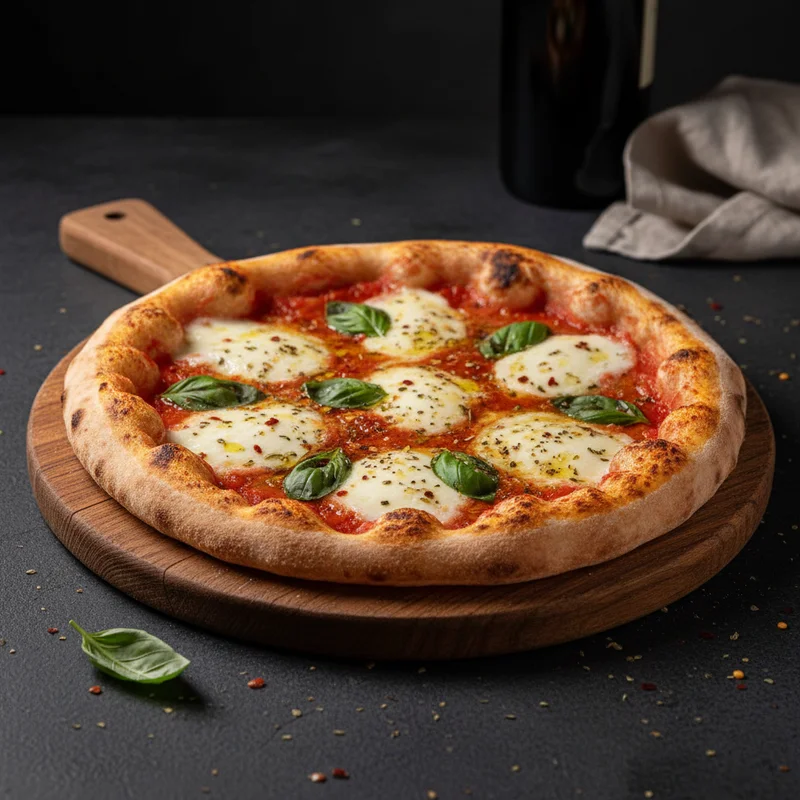
A flat disc of bread that convinced the world that putting everything on top of something is a legitimate cuisine. Somehow both a $1 slice and a $40 artisanal experience, depending on how seriously you take yourself.

VS
Gorilla

Gorilla

Largest living primate sharing 98% DNA with humans, known for chest-beating and gentle family bonds.

Battle Analysis

Strength gorilla Wins
30%
70%
Pizza Gorilla

Pizza

The pizza's strength lies not in physical force but in its remarkable structural engineering. A properly constructed pizza base can support considerable weight without buckling, a testament to the gluten networks formed during dough development. The tensile strength of mozzarella when heated creates bonds that have frustrated countless diners attempting clean separation. Yet we must be forthright: pizza cannot lift objects, cannot defend territory, and crumbles under modest pressure. Its strength is entirely passive, residing in flavour profiles that overwhelm the palate rather than physical dominance.

Gorilla

The silverback gorilla possesses strength that defies casual comprehension. With the capacity to lift approximately 1,800 kilograms, roughly ten times their body weight, these primates represent one of nature's most formidable engineering achievements. Their arms, spanning up to 2.6 metres, deliver force sufficient to bend iron bars. The gorilla's strength serves purposes both practical and symbolic: defending family groups, foraging for vegetation, and establishing dominance through displays that require no actual combat. This is strength with purpose, evolved over millions of years to ensure survival in demanding environments.

VERDICT

The gorilla's ability to lift 1,800 kilograms renders any comparison with baked goods fundamentally absurd.
Adaptability pizza Wins
70%
30%
Pizza Gorilla

Pizza

Pizza demonstrates extraordinary adaptability, perhaps unmatched in the culinary world. The basic template, dough with toppings, accommodates virtually infinite variation. Hawaiian pizza sparked international controversy by introducing pineapple; Japanese pizza incorporates mayonnaise and seafood; Indian variants feature paneer and tandoori chicken. The pizza adapts to local ingredients, religious dietary restrictions, and individual preferences with equal facility. Gluten-free bases, cauliflower crusts, and vegan cheeses extend pizza's reach to previously excluded populations. This is evolution at commercial speed, responding to market pressures within months rather than millennia.

Gorilla

The gorilla's adaptability operates on vastly different timescales. These primates have specialised in montane and lowland forest environments, developing sophisticated strategies for extracting nutrition from vegetation that other species cannot digest. However, gorillas struggle to adapt to habitat fragmentation and human encroachment. Their slow reproductive rate, with females bearing offspring only every four to six years, limits population recovery. The gorilla represents adaptation perfected for specific conditions rather than generalised flexibility. When those conditions change rapidly, the species faces existential challenge.

VERDICT

Pizza reinvents itself weekly to meet consumer demands; gorillas require stable habitats spanning generations.
Global recognition pizza Wins
70%
30%
Pizza Gorilla

Pizza

Pizza enjoys recognition that approaches true universality. From Tokyo to Toronto, São Paulo to Stockholm, the circular flatbread requires no translation. Over 5 billion pizzas are consumed annually worldwide, a figure suggesting that virtually every human with access to an oven has encountered this dish. The pizza emoji ranks among the most frequently deployed food symbols in digital communication. Pizza has transcended its Italian origins to become stateless, belonging equally to New York, Chicago, and Naples. This is recognition built upon billions of individual transactions, each reinforcing the pizza's position in global consciousness.

Gorilla

The gorilla commands recognition of an entirely different character. While fewer humans have encountered gorillas directly, those who have report experiences of profound significance. The gorilla features prominently in conservation discourse, documentary filmmaking, and discussions of primate intelligence. Dian Fossey's work brought mountain gorillas into Western consciousness with lasting effect. Yet recognition does not equal familiarity: surveys suggest many cannot distinguish gorillas from other great apes. The gorilla is known rather than omnipresent, respected rather than consumed.

VERDICT

Five billion annual servings create recognition that even the most magnificent primate cannot achieve.
Intimidation factor gorilla Wins
30%
70%
Pizza Gorilla

Pizza

The pizza presents virtually no intimidation whatsoever. Its circular form suggests completion and harmony. Its aroma triggers anticipation rather than fear. The pizza's entire evolutionary strategy, if we may employ such terminology, centres upon invitation: the golden crust beckons, the melted cheese glistens with promise, the toppings arrange themselves in patterns designed to please. One does not flee from pizza; one approaches it with enthusiasm. The most aggressive pizza might feature jalapeños or ghost peppers, inflicting temporary discomfort upon willing participants. This is not intimidation but consensual challenge.

Gorilla

The silverback gorilla has refined intimidation to an art form. The chest-beating display, audible from over a kilometre distant, announces presence with unmistakable authority. When a gorilla charges, even experienced researchers report involuntary fear responses despite understanding the behaviour's primarily theatrical nature. Standing 1.8 metres tall and weighing up to 220 kilograms, the gorilla's physical presence alone commands deference. The intensity of the gorilla's gaze, processing information through eyes remarkably similar to our own, creates unease that no flatbread could replicate regardless of topping selection.

VERDICT

A chest-beating silverback can trigger primal fear responses; pizza triggers only salivation.
Environmental impact gorilla Wins
30%
70%
Pizza Gorilla

Pizza

The environmental footprint of pizza production warrants sober assessment. Cheese production alone generates substantial greenhouse emissions, with dairy cattle contributing methane at concerning levels. Wheat cultivation for flour demands significant water resources and often involves monocropping practices detrimental to soil health. The pizza delivery industry adds transportation emissions, while pizza boxes represent a recycling challenge due to grease contamination. The global scale of pizza consumption, those five billion annual servings, multiplies these impacts considerably. Pizza's environmental legacy is one of cumulative harm, however unintentional.

Gorilla

Gorillas function as keystone species within their forest ecosystems. Through their feeding and movement patterns, they disperse seeds essential for forest regeneration. Their presence indicates ecosystem health, serving as what biologists term an umbrella species: protecting gorilla habitat automatically preserves countless other organisms. The gorilla takes from its environment only what survival requires and returns benefits that extend far beyond its immediate needs. In environmental terms, the gorilla is not merely neutral but actively beneficial, a participant in ecological processes refined over evolutionary time.

VERDICT

Gorillas actively benefit their ecosystems; pizza production contributes to environmental degradation at scale.
👑

The Winner Is

Gorilla

45 - 55

This analysis has traversed territory both unexpected and illuminating. Pizza, that beloved disc of carbohydrates and dairy, demonstrates remarkable qualities: global recognition approaching universality, adaptability that puts many biological organisms to shame, and an accessibility that makes it a genuine democratic pleasure. These are not trivial achievements. The pizza has earned its place in human civilisation through countless small victories, each slice representing a moment of satisfaction delivered reliably across cultures and continents.

Yet the gorilla presents arguments that transcend mere popularity. Here is a creature of profound strength operating with notable restraint, capable of violence yet preferring peace, intimidating through presence alone yet forming complex family bonds characterised by gentleness. The gorilla's environmental contribution, its role as ecosystem guardian, introduces ethical dimensions that pizza cannot address. While pizza diminishes the world slightly with each production cycle, the gorilla enriches its habitat through the simple act of existing.

The final assessment must acknowledge what each entity represents beyond its immediate form. Pizza embodies human ingenuity in pleasure-seeking, our remarkable ability to transform basic ingredients into sources of genuine happiness. The gorilla embodies something we cannot manufacture: irreplaceable natural magnificence, a living connection to our own evolutionary heritage, and a reminder that not everything valuable can be replicated or scaled. In this comparison, rarity and ecological significance ultimately outweigh ubiquity and universal appeal.

Pizza
45%
Gorilla
55%

Share this battle

More Comparisons