Topic Battle

Where Everything Fights Everything

Pizza

Pizza

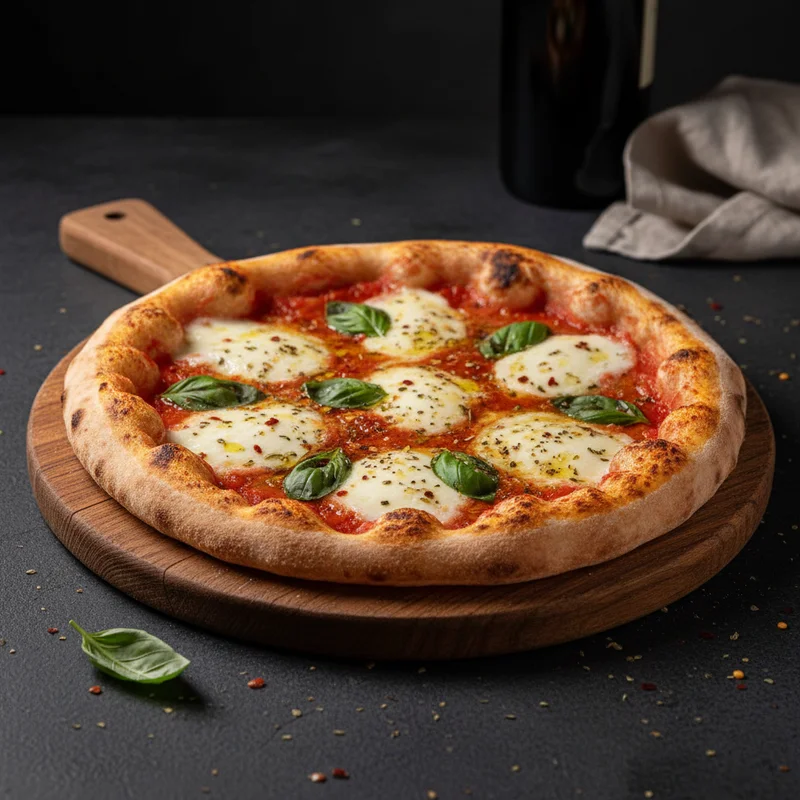
A flat disc of bread that convinced the world that putting everything on top of something is a legitimate cuisine. Somehow both a $1 slice and a $40 artisanal experience, depending on how seriously you take yourself.

VS
Mars

Mars

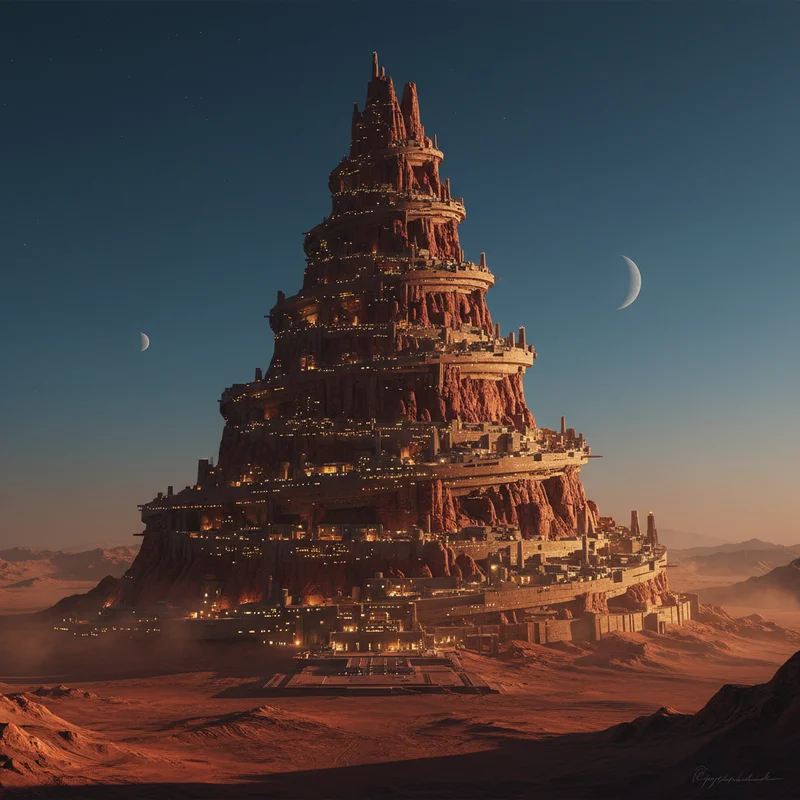
Red planet and humanity's next frontier.

Battle Analysis

Accessibility pizza Wins
70%
30%
Pizza Mars

Pizza

The pizza represents one of humanity's most democratised culinary achievements. Available on virtually every inhabited continent, it can be procured within minutes across most urban centres. The average Briton lives within 1.2 miles of a pizza establishment. Frozen varieties occupy dedicated sections in supermarkets worldwide. Home preparation requires only basic ingredients: flour, water, yeast, tomatoes, and cheese. The barrier to entry is remarkably low, with children as young as five capable of producing serviceable specimens with minimal supervision.

Delivery infrastructure has evolved to ensure pizza reaches consumers with unprecedented efficiency. Mobile applications track each pizza's journey from oven to doorstep. The technology exists to receive a pizza within thirty minutes of the initial craving, a feat of logistics that would have astounded our ancestors.

Mars

Mars presents considerable accessibility challenges. Located between 54.6 million and 401 million kilometres from Earth depending on orbital positions, the planet requires a minimum seven-month journey using current propulsion technology. No commercial flights are available. No human has yet set foot upon its surface. The total number of successful Mars landings stands at fewer than ten, all unmanned.

Viewing Mars requires either a clear night sky and functional eyesight, or access to telescopic equipment. The planet appears as a reddish dot to the naked eye, visible for portions of the year when orbital mechanics permit. Virtual exploration via rover imagery offers the closest approximation to a Mars visit currently available to the general public.

VERDICT

Pizza delivers within thirty minutes; Mars requires seven months of space travel and currently accepts no visitors whatsoever.
Daily utility pizza Wins
70%
30%
Pizza Mars

Pizza

Pizza serves as sustenance for millions daily. In the United States alone, approximately 350 slices are consumed every second. The dish provides carbohydrates, proteins, fats, and depending upon toppings, reasonable vegetable intake. It functions admirably as breakfast, lunch, dinner, or late-night sustenance. Cold pizza has developed its own devoted following.

Beyond nutrition, pizza serves critical social functions. It facilitates gatherings, lubricates negotiations, and provides common ground across cultural divides. The phrase 'pizza party' has become synonymous with informal celebration. Few foods offer comparable versatility: it may be shared or consumed solo, eaten with hands or utensils, served at five-star restaurants or consumed standing beside a street vendor.

Mars

Mars provides no direct daily utility to the average Earth inhabitant. One cannot eat Mars, wear Mars, or use Mars to commute to work. The planet offers no goods, no services, and no practical assistance with the mundane challenges of terrestrial existence. It hangs in the sky, beautiful but fundamentally useless for immediate practical purposes.

Yet Mars serves inspirational functions. It provides employment for thousands of scientists, engineers, and mission specialists. It offers educational value in classrooms worldwide. It represents a backup plan, however distant, for a species that has placed all its eggs in a single planetary basket. These utilities, while real, remain abstract for most.

VERDICT

Three hundred and fifty slices consumed per second in America alone. Mars has yet to feed, clothe, or shelter a single human being.
Symbolic value mars Wins
30%
70%
Pizza Mars

Pizza

Pizza has transcended its origins to become a universal symbol of conviviality. It represents sharing, informality, and the democratisation of dining. The circular form suggests unity and completeness. The infinite variation of toppings speaks to human creativity and individual expression. Corporate boardrooms and children's parties alike employ pizza as a social lubricant.

In popular culture, pizza signifies comfort and authenticity. It appears in countless films, television programmes, and advertisements as shorthand for unpretentious enjoyment. The Teenage Mutant Ninja Turtles elevated it to heroic status. Pizza represents what food should be: accessible, enjoyable, and shared.

Mars

Mars embodies humanity's most profound existential aspirations. The red planet represents the next chapter of the human story: expansion beyond our birth world, the conquest of the final frontier, and the transformation of a species from planetary to interplanetary. Every child who gazes upward and dreams does so, in part, because of Mars.

The planet carries mythological weight accumulated over millennia. It has represented war, passion, and otherworldly possibility. In the modern era, it symbolises the power of science and technology to transcend seemingly impossible barriers. When humans eventually walk upon its surface, they will fulfil dreams older than recorded history.

VERDICT

Pizza symbolises a pleasant dinner. Mars symbolises the entire future of human civilisation beyond Earth. The stakes differ considerably.
Environmental impact mars Wins
30%
70%
Pizza Mars

Pizza

The pizza industry's environmental footprint is substantial and complex. Dairy production for mozzarella contributes significantly to greenhouse gas emissions. Tomato cultivation requires considerable water resources. Wheat farming occupies millions of hectares globally. The delivery infrastructure adds further carbon costs: millions of journeys undertaken annually in petrol-powered vehicles.

Yet the industry has shown capacity for adaptation. Plant-based alternatives reduce dairy dependence. Local sourcing movements shorten supply chains. The pizza box, predominantly cardboard, offers reasonable recyclability when not excessively contaminated with grease. The environmental story of pizza is one of impact, certainly, but also of evolving consciousness.

Mars

Mars exists in a state of profound environmental neutrality. Its thin carbon dioxide atmosphere, while technically a greenhouse configuration, supports no industry, no agriculture, and no life as we currently understand it. The planet has remained essentially unchanged for billions of years, a monument to geological stasis.

Human interaction with Mars thus far has deposited approximately seven thousand kilogrammes of hardware upon its surface: rovers, landers, and assorted debris from less successful missions. Whether this constitutes pollution or archaeology remains a matter for future historians. Mars neither emits nor absorbs in any meaningful industrial sense; it simply endures.

VERDICT

It is difficult to pollute a planet with no biosphere. Mars achieves environmental neutrality through the simple expedient of supporting no life.
Historical significance mars Wins
30%
70%
Pizza Mars

Pizza

The modern pizza emerged from Naples in the late 18th century, though flatbreads with toppings trace back to ancient civilisations. The Margherita, created in 1889 to honour Queen Margherita of Italy, established the canonical combination of tomato, mozzarella, and basil. This single culinary decision would eventually generate a global industry worth over 150 billion pounds annually.

Pizza's migration to America via Italian immigrants transformed it from regional speciality to international phenomenon. The post-war boom saw pizza parlours proliferate across Western nations. Today, UNESCO recognises Neapolitan pizza-making as an Intangible Cultural Heritage of Humanity, placing it alongside practices of profound cultural significance.

Mars

Mars has occupied human consciousness since ancient Babylonian astronomers first tracked its wandering path across the heavens some four thousand years ago. The Romans named it for their god of war, interpreting its blood-red colour as an omen of conflict. The planet has influenced calendars, mythologies, and the very concept of planetary motion.

In 1877, Giovanni Schiaparelli's observations of canali sparked speculation about Martian civilisation that persisted for decades. The Space Age brought humanity's first close encounters: Mariner 4 in 1965, Viking landers in 1976, and the ongoing rover missions that continue to reshape our understanding of the solar system. Mars represents humanity's next great frontier.

VERDICT

Four thousand years of astronomical observation and mythological significance outweighs even the most venerable Neapolitan traditions.
👑

The Winner Is

Pizza

54 - 46

The evidence reveals a surprisingly competitive contest between these two circular icons. Mars commands the realms of imagination, aspiration, and cosmic significance. It has shaped mythologies, driven scientific advancement, and continues to beckon humanity toward an interplanetary future. In matters of historical depth and symbolic weight, the red planet proves formidable indeed.

Yet pizza demonstrates mastery of the practical domain. It nourishes bodies, facilitates social bonds, and remains accessible to virtually all of humanity. While Mars exists as a distant promise, pizza delivers genuine utility on a daily basis to billions. One cannot eat a planet, and dreams, however magnificent, do not satisfy hunger.

The final accounting favours pizza by the narrowest of margins: 54 to 46. This reflects the fundamental truth that while Mars may represent where humanity is going, pizza remains central to where humanity is now. The red planet inspires us to reach for the stars; the pizza ensures we have the energy to make the journey.

Pizza
54%
Mars
46%

Share this battle

More Comparisons