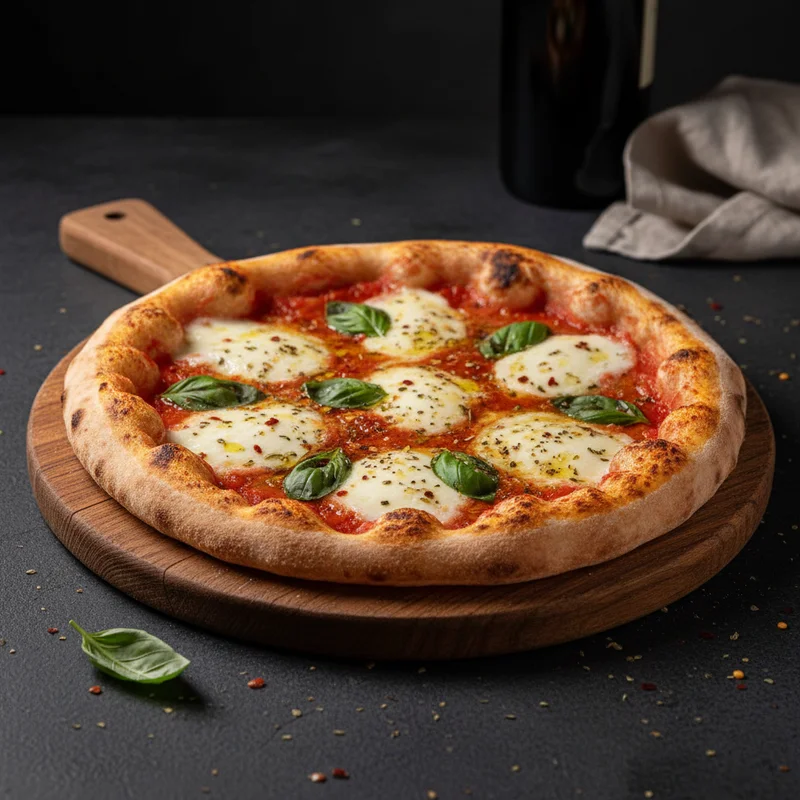
Pizza
The pizza has demonstrated extraordinary evolutionary plasticity. From the austere Margherita to the controversial Hawaiian, from deep-dish Chicago specimens to paper-thin Roman variations, the platform accepts modification with remarkable tolerance. Regional adaptations have produced the okonomiyaki-influenced Japanese pizza, the breakfast pizza of American diners, and the dessert pizza featuring Nutella and strawberries. The fundamental architecture—circular base, sauce, cheese, toppings—has proven sufficiently flexible to accommodate virtually any culinary tradition. Even the crust has undergone speciation, producing stuffed variants, cauliflower-based alternatives, and the gravity-defying cone pizza.
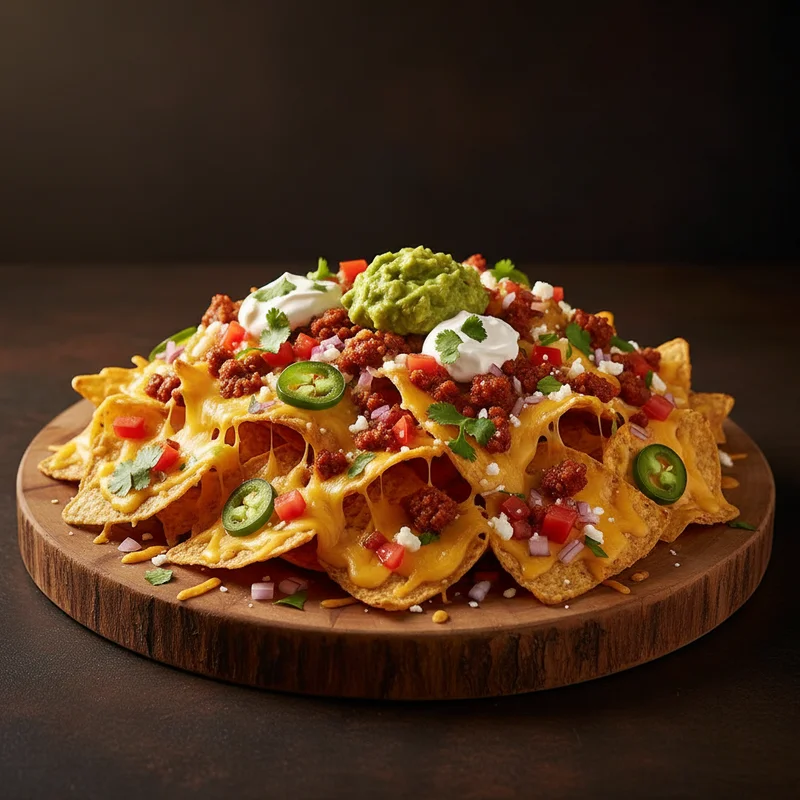
Nachos
Nachos have evolved their own impressive adaptive radiation. The basic template has spawned breakfast nachos with scrambled eggs, dessert nachos with cinnamon sugar and chocolate, and the formidable loaded variants featuring entire ecosystems of toppings. The Irish have developed nachos with curry sauce. The British have contributed chips-and-cheese. Walking tacos—nachos assembled in their original crisp packet—represent a significant mobility innovation. Yet the nacho's structural constraints impose limits; the chip must remain capable of supporting its cargo without immediate fragmentation. This creates a ceiling on topping density that pizza does not share.