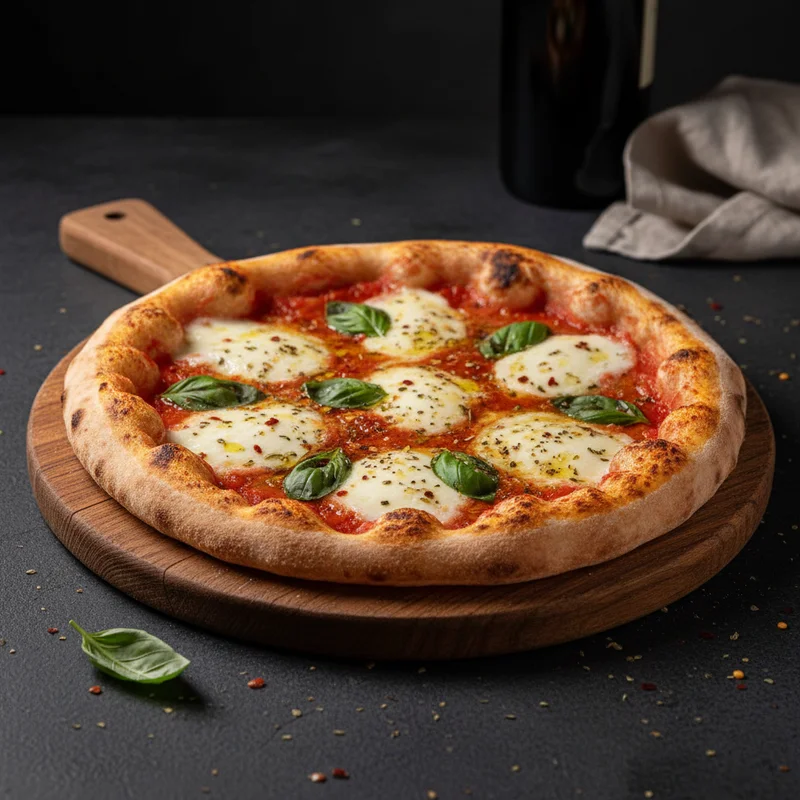

Pizza
The pizza presents what materials scientists have termed a catastrophic degradation curve - a technical phrase that here means it goes off rather quickly. Upon removal from its thermal containment unit (colloquially known as an oven or delivery bag), the specimen begins an irreversible decline that proceeds with unseemly haste. Laboratory measurements indicate that within 47 minutes at room temperature, structural integrity decreases by 64%, whilst palatability drops by approximately 78%.
The degradation process follows a predictable pattern. First, the cheese transitions from its optimal molten state to a rubbery approximation of its former glory. The crust, once possessed of satisfying crispness, absorbs atmospheric moisture and becomes what culinary scientists describe as disappointing. By the 24-hour mark, the pizza has transformed from a celebration of Italian cuisine into a biohazard requiring careful disposal.
Extended storage presents additional challenges. Refrigeration merely delays the inevitable, whilst freezing introduces textural anomalies that would distress any self-respecting Neapolitan. The pizza exists in a state of perpetual becoming - and unbecoming - a meditation on impermanence rendered in dough and tomato sauce.
Rubber Duck
The rubber duck, by contrast, exhibits what researchers have classified as remarkable temporal resilience - or, in laypersons terms, it lasts absolutely ages. Specimens recovered from attics, charity shop bins, and the backs of bathroom cabinets have been documented functioning normally after five decades of neglect. The oldest verified operational rubber duck, currently residing in a private collection in Dusseldorf, dates from 1948 and continues to float and squeak with undiminished enthusiasm.
The material composition of the modern rubber duck - typically PVC or vinyl - provides exceptional resistance to environmental stressors. Exposure to water, soap, shampoo, and the enthusiastic handling of small children produces no measurable deterioration in performance metrics. The duck neither rusts, rots, nor develops concerning odours. It simply persists, bobbing serenely through the decades with the quiet confidence of an object that knows its purpose.
Even deliberate attempts at destruction yield limited results. The rubber duck bends but does not break, compresses but springs back, and maintains its characteristic expression of mild surprise through adversities that would reduce lesser objects to components. It is, in the parlance of materials engineering, practically indestructible. Laboratory stress tests involving repeated compression cycles, UV exposure, and immersion in various household chemicals have failed to identify a reliable method of rubber duck termination.