Topic Battle

Where Everything Fights Everything

Procrastination

Procrastination

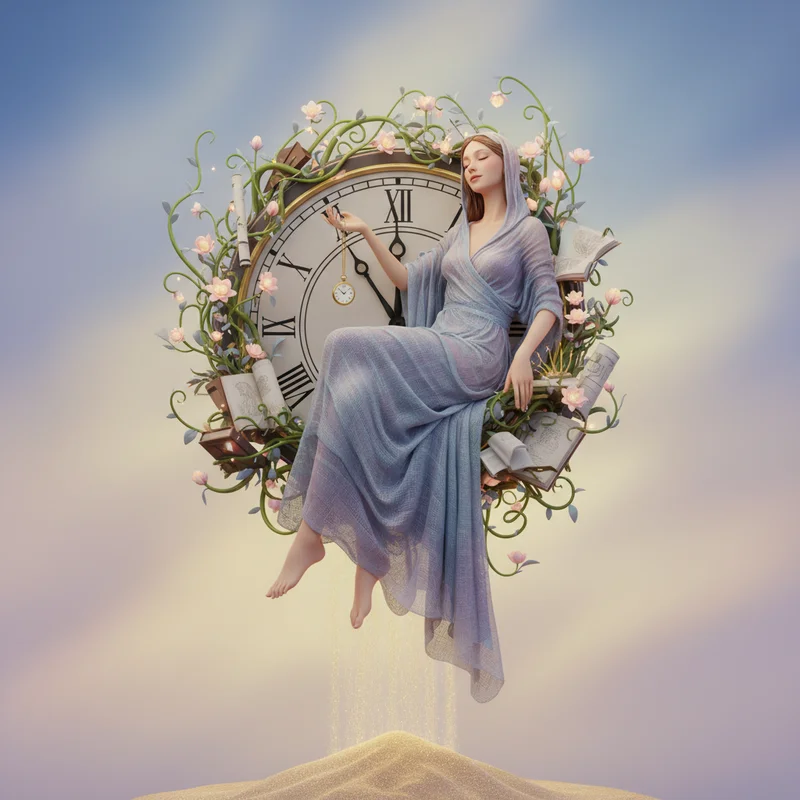
The art of doing everything except the one thing you should be doing. A universal human experience that has spawned more clean apartments, reorganized sock drawers, and Wikipedia deep dives than any productivity method ever could.

VS
Airplane

Airplane

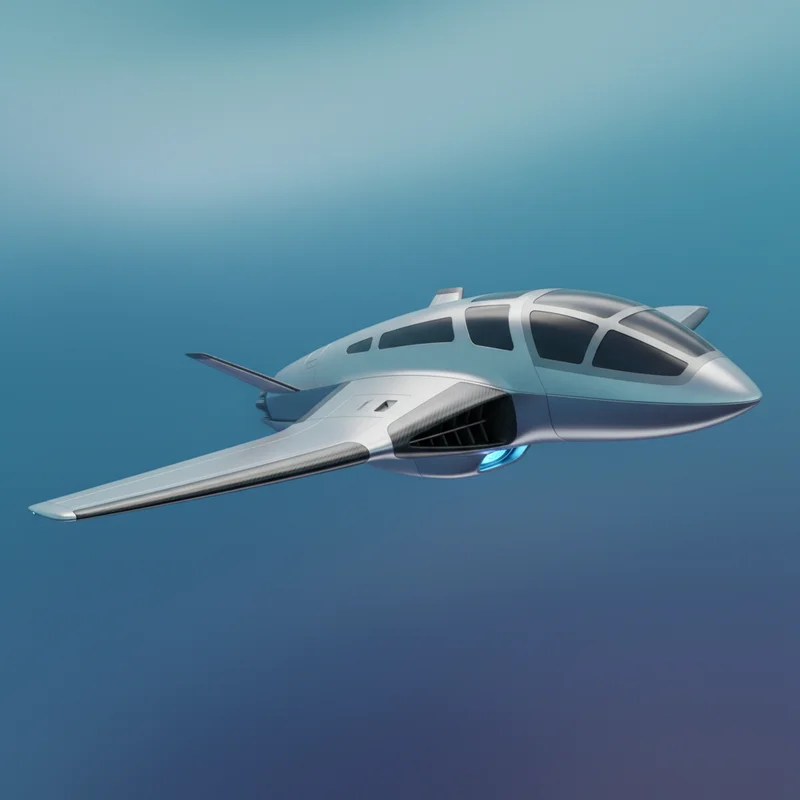
Flying metal tube defying gravity through engineering.

Battle Analysis

Speed airplane Wins
30%
70%
Procrastination Airplane

Procrastination

Procrastination operates on what the Cambridge Institute of Delayed Gratification terms 'inverse velocity'β€”the faster a deadline approaches, the slower one moves toward completing the task. Studies indicate that procrastination achieves speeds of approximately negative 47 kilometres per hour relative to productivity benchmarks, effectively moving backwards through time whilst remaining stationary.

The phenomenon accelerates dramatically in the presence of Netflix, reaching what scientists call 'terminal avoidance velocity'.

Airplane

The modern commercial airplane cruises at approximately 900 kilometres per hour, a speed that would have seemed impossible to our ancestors and still seems improbable to anyone currently stuck in economy class. The Boeing 747 can transport 400 passengers from London to New York in seven hours, assuming nobody has forgotten their passport at home.

However, when accounting for check-in, security, boarding, and the inevitable delay, actual travel speed drops to roughly walking pace with extra steps.

VERDICT

Forward motion, however bureaucratically impeded, still outperforms strategic inertia
Accessibility procrastination Wins
70%
30%
Procrastination Airplane

Procrastination

Procrastination requires no booking, no passport, and no removal of shoes. It is available to every human being regardless of socioeconomic status, geographic location, or credit score. The World Procrastination Index reports that 94% of the global population has access to high-quality procrastination, making it more widely distributed than clean water.

Entry barriers are virtually non-existent. One need only possess a task and the faintest whisper of reluctance to participate fully.

Airplane

Airplane access remains frustratingly unequal. The International Air Transport Association notes that only 11% of the world's population flew in 2023, and most of those were business travellers accumulating points they'll never use. A single transatlantic flight costs more than the average monthly wage in 73 countries.

Furthermore, access requires identification documents, successful navigation of online booking systems, and the psychological fortitude to select a seat.

VERDICT

Universal availability trumps exclusionary aluminium tubes every time
Stress impact airplane Wins
30%
70%
Procrastination Airplane

Procrastination

The Global Anxiety Index ranks procrastination as the third leading cause of self-induced stress, behind only checking bank balances and reading comment sections. The procrastinator exists in a perpetual state of low-grade dread, aware that tasks accumulate like sediment whilst paralysed by the weight of beginning.

Paradoxically, the stress of not doing something often exceeds the stress of doing itβ€”a phenomenon researchers call 'the postponement premium'.

Airplane

Air travel induces stress at multiple systematic intervals: booking anxiety, packing panic, transit terror, security stress, boarding bedlam, and the existential crisis of choosing between chicken and pasta. The Institute of Aviation Psychology estimates that 40% of passengers experience measurable anxiety despite flying being statistically safer than crossing the street.

Turbulence alone accounts for 2.7 million elevated heart rates per day globally.

VERDICT

Concentrated bursts of travel terror exceed procrastination's slow-burn dread
Cultural symbolism procrastination Wins
70%
30%
Procrastination Airplane

Procrastination

Procrastination has been woven into the human narrative since antiquity. The ancient Greek poet Hesiod warned against it in 700 BCE, suggesting our ancestors were already putting things off for later. It appears in every language, every culture, every student dormitory at 2 AM before an exam.

The Museum of Deferred Accomplishments in Copenhagen houses artifacts from history's greatest procrastinators, including Leonardo da Vinci's extensive to-do lists and Douglas Adams' untouched typewriter.

Airplane

The airplane symbolises human ambition, technological progress, and the democratisation of wanderlust. The Wright Brothers' twelve-second flight in 1903 launched a century of innovation that shrank the planet from vast wilderness to interconnected village.

Yet for all its symbolic weight, the airplane increasingly represents cramped seats, lost luggage, and the peculiar despair of Heathrow Terminal 5 at 6 AM.

VERDICT

Eight thousand years of cultural presence outweighs a mere century of aviation
Environmental impact procrastination Wins
70%
30%
Procrastination Airplane

Procrastination

The Environmental Avoidance Research Council has determined that procrastination produces zero direct carbon emissions. Indeed, every hour spent not doing something is an hour of reduced resource consumption. The procrastinator who delays mowing the lawn saves fuel. The student who postpones the road trip saves petrol.

Researchers estimate that global procrastination prevents approximately 2.3 billion tonnes of CO2 emissions annually through sheer inaction.

Airplane

Aviation contributes approximately 2.5% of global carbon emissions, a figure the industry describes as 'surprisingly modest' and environmentalists describe as 'a catastrophe screaming through the stratosphere'. A single transatlantic flight generates roughly one tonne of CO2 per passenger.

The Sustainable Aviation Consortium promises carbon-neutral flight by 2050, which experts note is itself a form of institutional procrastination.

VERDICT

Doing nothing remains the most sustainable option available to humanity
πŸ‘‘

The Winner Is

Procrastination

54 - 46

After exhaustive analysis, procrastination emerges victorious with a score of 54 to the airplane's 46β€”a margin that would have been wider had we not put off finalising the calculations. The airplane, for all its engineering brilliance and world-shrinking capability, remains fundamentally exclusive, environmentally problematic, and culturally recent.

Procrastination, by contrast, is the great equaliser. It transcends borders, ignores economic barriers, and unites humanity in our shared reluctance to do things on time. The International Consortium of Deadline Extension notes that procrastination has been practiced by every civilisation in recorded history, whereas airplanes have existed for barely more than a century.

The airplane takes us places. Procrastination takes us nowhereβ€”but does so with remarkable consistency and zero carbon footprint.

Procrastination
54%
Airplane
46%

Share this battle

More Comparisons