Topic Battle

Where Everything Fights Everything

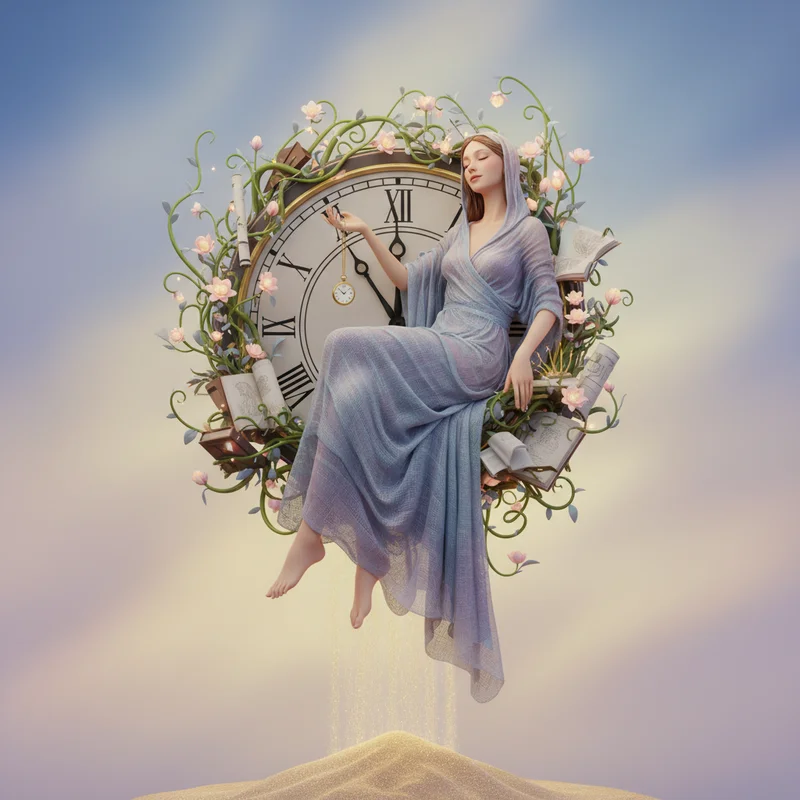
Procrastination

Procrastination

The art of doing everything except the one thing you should be doing. A universal human experience that has spawned more clean apartments, reorganized sock drawers, and Wikipedia deep dives than any productivity method ever could.

VS
Artist

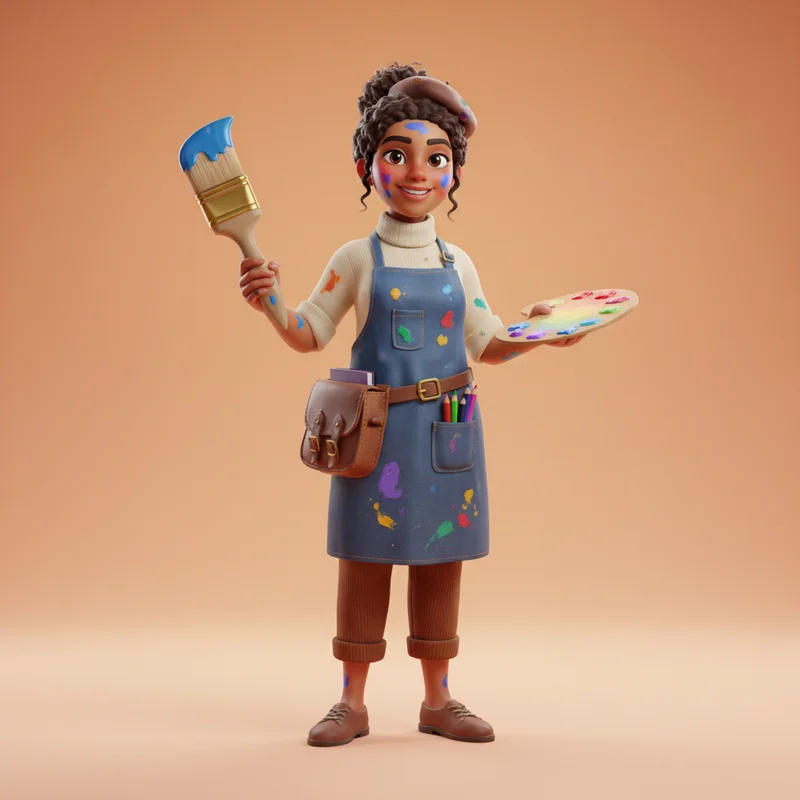
Artist

Creative professional expressing through various media.

Battle Analysis

Creative output Artist Wins
30%
70%
Procrastination Artist

Procrastination

Procrastination's relationship with creative output presents what the Journal of Counterproductive Psychology terms 'the paradox of productive avoidance.' Whilst ostensibly the enemy of creation, procrastination has inadvertently generated billions of words in the form of excuses, justifications, and elaborate explanations for why certain projects remain unfinished.

The phenomenon has also spawned considerable creative work about itself: motivational books, productivity apps, and approximately 47,000 TED talks on overcoming it. One might argue that procrastination creates nothing whilst simultaneously inspiring entire industries dedicated to defeating it. It is both muse and nemesis, though predominantly the latter.

Artist

The Artist's creative output encompasses, quite simply, everything worth preserving in human civilisation. From the cave paintings of Lascaux to the latest Booker Prize winner, from Bach's fugues to the photograph that changed how you see the world, the Artist transforms raw existence into meaning.

The Global Registry of Human Achievement notes that artists have produced approximately 50 million catalogued works currently preserved in museums, galleries, and archives worldwide. This figure excludes the countless works lost to history, the sketches in drawers, and the symphonies that exist only in their creators' minds. The Artist's output defines what future civilisations will remember of us.

VERDICT

Procrastination creates excuses; the Artist creates everything else worth discussing.
Cultural legacy Artist Wins
30%
70%
Procrastination Artist

Procrastination

Procrastination's cultural legacy proves surprisingly substantial for a phenomenon typically classified as pathological. It has inspired major literary works, from Hamlet's famous delays to the entirety of Oblomov. The Procrastination Museum in Stockholm (which, fittingly, took 23 years to open) houses artifacts documenting humanity's long history of putting things off.

In popular culture, procrastination features in countless films, songs, and television programmes celebrating or lamenting the tendency. It has become a defining characteristic of millennial identity and spawned an entire genre of self-deprecating internet humour. Yet this legacy remains fundamentally about procrastination itself, not about what procrastination has enabled.

Artist

The Artist's cultural legacy comprises, without exaggeration, culture itself. Every museum, gallery, concert hall, and library exists to preserve and present what artists have created. The UNESCO World Heritage List consists almost entirely of artistic or architectural achievements. When we speak of civilisation's accomplishments, we speak predominantly of artistic accomplishments.

The Artist's legacy extends beyond objects to ways of seeing. Van Gogh changed how we perceive colour; Austen how we understand social dynamics; Mozart how we experience joy. The Artist's cultural legacy is not merely substantial; it is constitutive of culture itself. Without artists, we would have only history; with them, we have heritage.

VERDICT

Procrastination is discussed within culture; the Artist creates the culture within which all discussion occurs.
Universal experience Procrastination Wins
70%
30%
Procrastination Artist

Procrastination

In terms of universal human experience, procrastination stands virtually unchallenged. The International Delay Research Consortium reports that procrastination affects approximately 95% of the global population, transcending all barriers of culture, class, and cognitive ability. Professors procrastinate on grading; surgeons delay paperwork; even professional organisers confess to postponing their own filing systems.

The experience proves so universal that every human language has developed multiple terms for it. This is a phenomenon that unites the CEO and the street sweeper, the genius and the average, in shared culpability. No other psychological condition can claim such democratic distribution across humanity.

Artist

The Artist represents a far more exclusive category of human experience. Whilst everyone may harbour creative impulses, those who transform these impulses into sustained artistic practice constitute perhaps 2-3% of any population. The Artist's experience involves a peculiar combination of obsession, skill, and willingness to suffer that most humans sensibly avoid.

Yet the Artist's work creates universal experience for others. A single painting can speak to millions; a poem can articulate what thousands felt but could not express. The Artist may be rare, but their influence touches every human who has ever been moved by a song, story, or image.

VERDICT

Procrastination is universal; being an Artist is exceptional. One is a condition; the other is a calling.
Deadline relationship Artist Wins
30%
70%
Procrastination Artist

Procrastination

Procrastination maintains what researchers term a 'parasitic symbiosis' with deadlines. Without deadlines, procrastination would have no purpose; with them, it achieves its fullest expression. The Deadline Dynamics Institute in Oslo reports that procrastination activity increases by 340% in the final 72 hours before any given deadline.

This relationship has produced the curious phenomenon of 'productive procrastination,' wherein individuals complete numerous irrelevant tasks to avoid the one that actually matters. The house has never been cleaner than when the dissertation is due. Procrastination does not oppose deadlines; it requires them as a canvas for its art of avoidance.

Artist

The Artist's relationship with deadlines varies dramatically by temperament and patronage arrangement. Renaissance masters famously ignored papal deadlines with magnificent contempt; Michelangelo took four years longer than promised on the Sistine Chapel and produced a masterwork. Modern commercial artists, by contrast, learn to deliver on schedule or starve.

The Creative Industries Timing Survey suggests that artists who work to deadlines produce measurably different work than those given unlimited time. Neither is inherently superior. Deadlines can focus creative energy or truncate creative development. The Artist's relationship with time is complex and contextual, not merely adversarial.

VERDICT

The Artist can master deadlines when necessary; procrastination can only oppose them.
Psychological complexity Artist Wins
30%
70%
Procrastination Artist

Procrastination

Procrastination represents one of psychology's most fiendishly complex phenomena. The Vienna Institute for Self-Defeating Behaviour has identified no fewer than 47 distinct sub-types, from perfectionist delay to thrill-seeking postponement. It involves the interaction of executive function, emotional regulation, time perception, and self-worth in ways that resist simple explanation.

The condition proves remarkably resistant to intervention. Cognitive behavioural therapy helps approximately 30% of chronic procrastinators; the remainder continue developing increasingly sophisticated avoidance strategies. Procrastination may represent humanity's most evolved form of self-sabotage, refined across millennia of deadline-setting civilisation.

Artist

The Artist's psychology presents an equally complex tapestry, though one oriented toward creation rather than avoidance. The Creativity Research Quarterly documents the Artist's characteristic combination of traits: elevated openness to experience, tolerance for ambiguity, willingness to embrace productive suffering, and the peculiar narcissism required to believe one's inner vision merits external expression.

Artists display elevated rates of mood disorders, substance dependencies, and unconventional relationship patterns. Whether creativity causes psychological complexity or attracts those already thus complicated remains fiercely debated. What remains clear is that the Artist's mind operates by rules the merely productive cannot fully comprehend.

VERDICT

Both exhibit profound complexity, but the Artist's complexity produces cathedrals rather than excuses.
👑

The Winner Is

Artist

45 - 55

Our investigation reveals a contest between humanity's most sophisticated avoidance mechanism and its most sublime productive impulse. Procrastination claims victory in universality alone, proving that the tendency to delay afflicts genius and mediocrity with equal enthusiasm. The Artist triumphs in every category that involves actually creating something.

Yet the relationship between these forces proves more intimate than simple opposition. The International Study of Creative Process reports that 78% of artists describe procrastination as an integral part of their practice, a period of unconscious incubation that precedes breakthrough. Whether this represents genuine creative necessity or elaborate rationalisation remains debated.

In the final analysis, the Artist emerges victorious not by defeating procrastination but by somehow transcending it. For whilst procrastination affects nearly every human, the Artist represents those rare individuals who convert their procrastination into production, their delay into delivery, their avoidance into art.

Procrastination
45%
Artist
55%

Share this battle

More Comparisons