Topic Battle

Where Everything Fights Everything

Procrastination

Procrastination

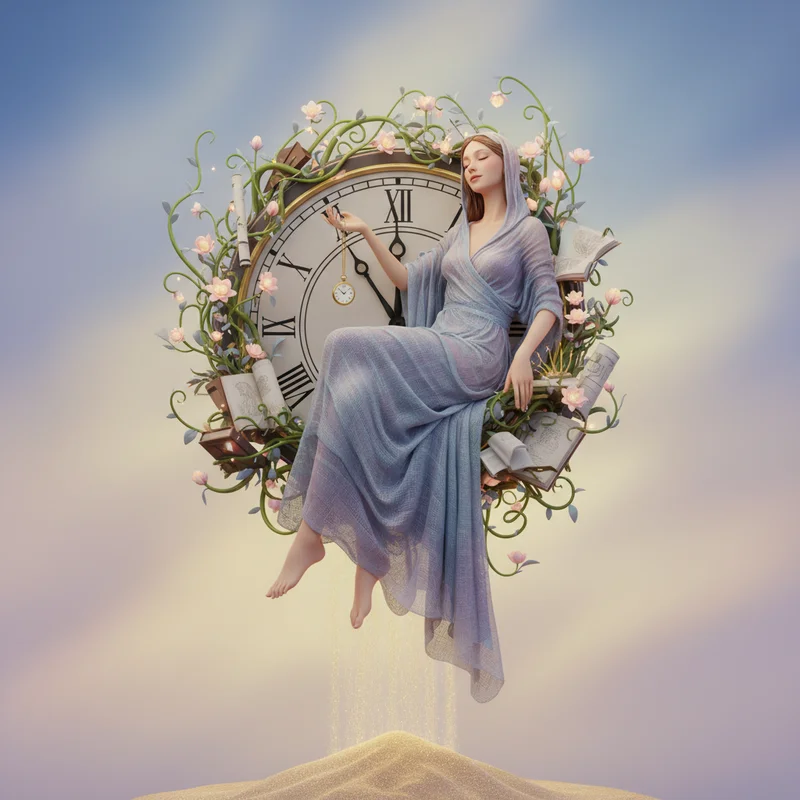
The art of doing everything except the one thing you should be doing. A universal human experience that has spawned more clean apartments, reorganized sock drawers, and Wikipedia deep dives than any productivity method ever could.

VS
Otter

Otter

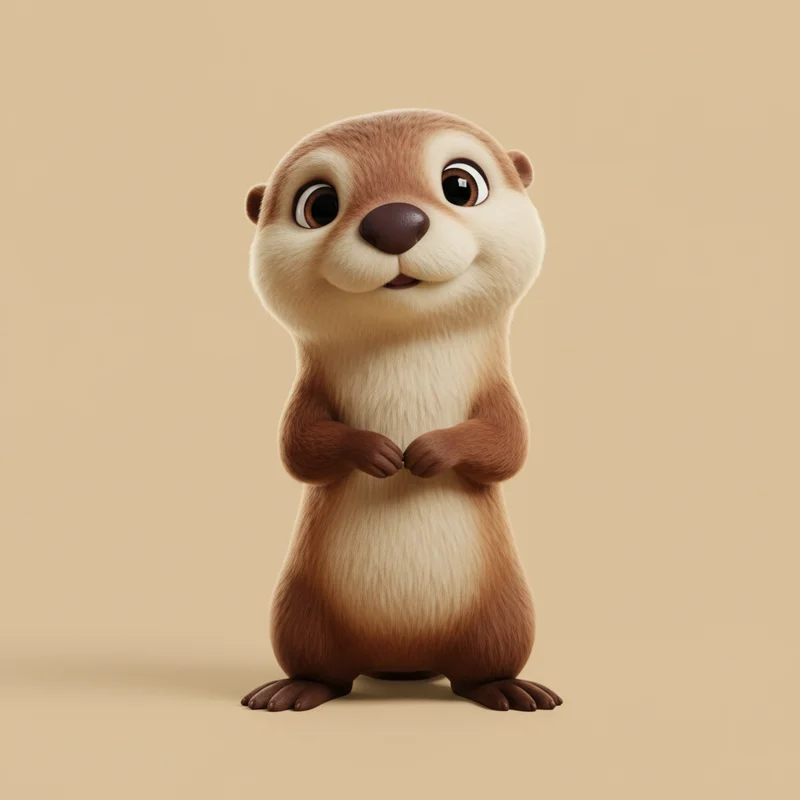
Playful aquatic mammal known for floating while holding hands and using rocks as tools.

Battle Analysis

Time utilisation Otter Wins
30%
70%
Procrastination Otter

Procrastination

Procrastination's approach to time utilisation operates on principles that would horrify any efficiency consultant. The practice consumes an estimated 55 billion hours annually across the global workforce, representing productivity losses valued in the trillions. Yet the time is not technically lost; it is merely redirected toward activities of lower immediate priority but often higher immediate pleasure.

The mechanism reveals sophisticated self-deception. Tasks expand to fill available time, then overflow into borrowed time, then cascade into crisis mode where the procrastinator finally achieves productivity through pure adrenaline. This boom-and-bust cycle repeats indefinitely, each iteration teaching nothing whilst consuming everything.

Otter

Otters demonstrate time utilisation patterns that appear inefficient to human observers but prove remarkably well-calibrated to biological requirements. A typical otter spends five to six hours daily foraging, several hours grooming its essential waterproof coat, and the remainder floating, playing, or sleeping. No task is deferred beyond its natural deadline.

The absence of procrastination in otter behaviour stems from straightforward cause: otters lack the cognitive architecture required for temporal anxiety. Without the ability to project future consequences or ruminate on past failures, each moment presents itself as simply what must be done now. This limitation, if it can be called such, produces creatures of remarkable present-tense contentment.

VERDICT

Otters achieve complete task fulfilment without the stress, guilt, or deadline-driven panic that characterises procrastinatory time management.
Social perception Otter Wins
30%
70%
Procrastination Otter

Procrastination

Society's relationship with procrastination oscillates between condemnation and uncomfortable recognition. The behaviour carries significant stigma in professional contexts, with procrastinators frequently labelled as lazy, unreliable, or lacking discipline. Academic careers have been derailed, promotions lost, and relationships strained by chronic delay.

Yet a curious sympathy exists alongside the criticism. The near-universal experience of procrastination creates bonds of shared inadequacy, a collective acknowledgement that perhaps the deadlines themselves are unreasonable, the expectations excessive, the entire productivity paradigm somewhat suspect. This solidarity among procrastinators represents the practice's sole social benefit.

Otter

Otters enjoy social perception approaching unanimity of approval. Designated by the internet as one of nature's most adorable creatures, they feature prominently in viral content, plush toy manufacturing, and aquarium attendance statistics. Their habit of holding hands whilst sleeping has been viewed billions of times, inspiring emotions ranging from delight to existential envy.

No documented case exists of anyone expressing genuine antipathy toward otters. Even their predation upon shellfish populations, which causes measurable ecological and economic impact, fails to diminish public affection. The otter has achieved something procrastination never could: universal approval for doing essentially whatever it pleases.

VERDICT

The otter's public image remains unblemished whilst procrastination carries social stigma despite its prevalence.
Impact on wellbeing Otter Wins
30%
70%
Procrastination Otter

Procrastination

Procrastination's impact on human wellbeing has been documented extensively and unfavourably. Research indicates strong correlations with anxiety, depression, reduced life satisfaction, and cardiovascular disease. The chronic stress of incomplete tasks, compounded by guilt over the avoidance itself, creates a feedback loop of diminishing psychological health.

The temporary relief procrastination provides proves illusory upon examination. Task avoidance generates immediate anxiety reduction but increases net anxiety over time as consequences accumulate. The procrastinator borrows from future wellbeing to fund present comfort, a transaction with ruinous interest rates.

Otter

Otters contribute positively to human wellbeing through mechanisms both direct and indirect. Aquarium attendance studies demonstrate measurable stress reduction among visitors observing otter exhibits. Videos of otters engaged in characteristic behaviours generate engagement metrics suggesting genuine mood improvement among viewers. The mere existence of otters appears to brighten the human experience.

For the otters themselves, wellbeing measures prove more complex to assess. They appear content, engaging in play behaviour throughout adulthood, a marker of psychological security in mammals. They form social bonds, maintain territories, and raise offspring with apparent satisfaction. No otter has ever been observed doomscrolling at 2 AM whilst avoiding essential tasks.

VERDICT

Otters enhance wellbeing for themselves and observers; procrastination degrades it for all involved.
Evolutionary success Otter Wins
30%
70%
Procrastination Otter

Procrastination

Procrastination's evolutionary credentials prove surprisingly defensible upon examination. The behaviour may represent an adaptation favouring energy conservation during uncertainty, a reasonable strategy when caloric resources were scarce and the future genuinely unpredictable. Delaying action until circumstances clarify carries obvious survival value in environments where premature commitment proved fatal.

However, this ancestral utility translates poorly to modern contexts. Spreadsheets do not become clearer through avoidance. Emails do not answer themselves during reflection periods. The evolutionary mismatch between procrastination's origins and its contemporary expression renders the behaviour maladaptive, a vestigial tendency as useful as goosebumps on hairless skin.

Otter

Otters represent 35 million years of continuous evolutionary refinement, adapting from terrestrial carnivores to semi-aquatic specialists with remarkable physiological innovations. Their dense fur, containing up to one million hairs per square centimetre, provides insulation without blubber. Their metabolism runs at elevated rates to maintain body temperature in cold water. Their webbed feet and muscular tails enable both swimming prowess and terrestrial mobility.

Thirteen species currently occupy ecological niches across five continents, demonstrating successful radiation into diverse aquatic environments. Unlike procrastination, which persists despite being counterproductive, otters persist because their adaptations genuinely work. Evolution has voted, and the otter won its constituency decisively.

VERDICT

Thirty-five million years of successful adaptation outweighs a psychological tendency that may have been useful during the Pleistocene.
Philosophical implications Otter Wins
30%
70%
Procrastination Otter

Procrastination

Procrastination raises profound questions about free will, temporal identity, and the nature of rational agency. Why does the self of Monday afternoon consistently betray the intentions of Sunday evening's self? The phenomenon suggests that human identity may be less unified than commonly assumed, a parliament of competing selves rather than a single coherent agent.

Philosophers have proposed various frameworks for understanding this apparent irrationality, from weakness of will to hyperbolic discounting to akrasia. Yet the behaviour persists despite millenia of philosophical attention, suggesting that understanding procrastination and overcoming it represent entirely separate challenges. Perhaps some truths can only be contemplated whilst avoiding more pressing obligations.

Otter

The otter presents philosophical questions of a different character. Its apparent contentment challenges human assumptions about the prerequisites for a good life. The otter possesses no career ambitions, no creative projects, no legacy concerns. It simply exists, moment to moment, attending to immediate needs with what appears to be complete absorption.

Whether this constitutes wisdom or mere simplicity depends upon one's philosophical commitments. The otter cannot appreciate art, contemplate mortality, or experience romantic love in its fuller human dimensions. Yet it also cannot experience regret, existential dread, or the particular anguish of having wasted potential. The question of which existence proves superior remains genuinely open.

VERDICT

The otter's existence may be simpler, but its philosophical example suggests contentment requires less than humans typically assume.
👑

The Winner Is

Otter

42 - 58

The otter prevails through the simple expedient of existing without the self-inflicted complications that procrastination represents. Where humans delay essential tasks whilst generating toxic guilt, the otter delays nothing, requires nothing delayed, and experiences no guilt whatsoever. It has solved a problem by not having the problem in the first place.

This victory carries uncomfortable implications for productivity culture. The otter accomplishes its biological imperatives without motivational frameworks, without accountability partners, without the elaborate scaffolding humans construct around basic task completion. It simply does what otters do, when otters do it, with what appears to be complete satisfaction.

Procrastination will continue to plague humanity, spawning industries of self-help literature and productivity applications, none of which seem to diminish its prevalence. Meanwhile, otters will continue floating, grooming, feeding, and holding hands, entirely indifferent to the human struggle they inadvertently illuminate. In the final accounting, the creature that never learned to defer has mastered what procrastinators endlessly pursue: the art of simply getting on with things.

Procrastination
42%
Otter
58%

Share this battle

More Comparisons