
Where Everything Fights Everything

Procrastination vs Shrek

😜 Just for fun — a tongue-in-cheek, gloriously unscientific showdown.

Procrastination

Procrastination

The art of doing everything except the one thing you should be doing. A universal human experience that has spawned more clean apartments, reorganized sock drawers, and Wikipedia deep dives than any productivity method ever could.

VS
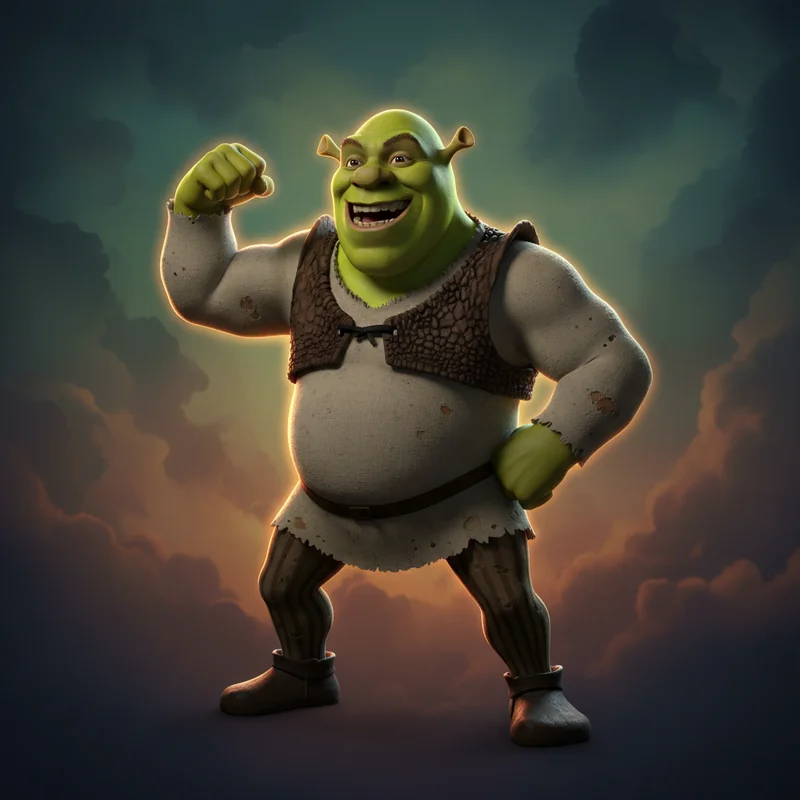
Shrek

Shrek

Ogre who proved layers matter.

Battle Analysis

Longevity Procrastination Wins · 75%
75%
25%
Procrastination Shrek

Procrastination

Procrastination's longevity is effectively unlimited within the span of human existence. Archaeological and historical evidence suggests its presence throughout recorded civilisation, with ancient texts documenting task avoidance behaviours remarkably similar to contemporary manifestations. The phenomenon shows no signs of extinction.

Indeed, evolutionary psychologists argue that procrastination may serve adaptive functions, allowing for additional information gathering before commitment to action. If this is correct, procrastination has survived because it occasionally provides survival advantages, ensuring its perpetuation through human generations.

Shrek

At 24 years of age as of this analysis, the Shrek franchise has demonstrated considerable cultural longevity for an animated property. Plans for a fifth film suggest continued commercial viability, and the character's prominence in internet culture indicates sustained relevance beyond theatrical releases.

However, animated properties are subject to corporate decision-making and audience taste shifts. Shrek's longevity, whilst impressive, remains contingent upon factors outside the character's control, unlike procrastination's self-perpetuating nature.

VERDICT

Procrastination has persisted for millennia and will continue indefinitely; Shrek is bound by franchise economics.
Adaptability Procrastination Wins · 65%
65%
35%
Procrastination Shrek

Procrastination

Procrastination demonstrates extraordinary adaptive capacity, having successfully colonised every technological advance intended to improve human productivity. The introduction of smartphones, productivity applications, and project management software has not diminished its prevalence; rather, it has provided new vectors for its expression.

Researchers note that procrastination has evolved alongside human civilisation, adapting from agricultural delays to industrial inefficiencies to the contemporary phenomenon of infinite browser tabs. Its ability to exploit each new distraction technology suggests a parasitic relationship of remarkable sophistication.

Shrek

Shrek has demonstrated moderate adaptability within his fictional universe, successfully transitioning from solitary swamp dweller to husband, father, and reluctant hero. The franchise has adapted to changing cultural expectations, incorporating increasingly complex narratives and celebrity voice casting.

However, Shrek remains fundamentally bound to his original form, unable to significantly alter his appearance, behaviour, or Scottish accent regardless of circumstances. His adaptability operates within defined parameters established by intellectual property considerations.

VERDICT

Procrastination infiltrates every new technology and context, whilst Shrek remains fixed within his established characterisation.
Global recognition Procrastination Wins · 65%
65%
35%
Procrastination Shrek

Procrastination

Procrastination enjoys universal recognition across all human civilisations, transcending linguistic, cultural, and geographical boundaries. Studies conducted across 42 nations confirm that the phenomenon is understood and experienced by an estimated 95% of the adult population, making it one of the most widely shared human behaviours outside of basic biological functions.

The term itself derives from the Latin procrastinare, suggesting that even ancient Roman citizens were familiar with the concept of postponing tasks until an unspecified later date. This historical depth contributes to its extraordinary reach.

Shrek

Since his debut, Shrek has achieved remarkable global penetration, with the original film grossing over $484 million worldwide and spawning a franchise that has collectively earned in excess of $3.5 billion. The character is recognised across demographic groups ranging from young children to adults who encountered him during their formative years.

Furthermore, Shrek has transcended his original medium to become a significant presence in digital culture, where his image and associated phrases circulate with a frequency that defies conventional metrics of animated character longevity.

VERDICT

Procrastination predates recorded history and affects virtually all humans, whilst Shrek remains limited to post-2001 audiences.
Entertainment value Shrek Wins · 60%
40%
60%
Procrastination Shrek

Procrastination

The entertainment value of procrastination is paradoxically substantial. The activities undertaken during procrastination episodes are, by definition, more immediately entertaining than the tasks being avoided. Studies indicate that procrastinators engage in elevated consumption of media content, including streaming services, social platforms, and other diversionary materials.

However, this entertainment is accompanied by an undercurrent of guilt, diminishing overall enjoyment. The procrastinator knows, even whilst watching their third consecutive hour of content, that consequences await.

Shrek

Shrek offers documented entertainment value across multiple measured dimensions. The original film holds a 88% approval rating on aggregated review platforms, with subsequent instalments maintaining commercially viable audience engagement. The character's dialogue, visual design, and narrative situations have generated quantifiable amusement.

Crucially, Shrek entertainment operates without accompanying guilt, unless the viewing occurs during time allocated for other responsibilities, in which case it becomes a vector for procrastination itself, creating an interesting feedback loop.

VERDICT

Shrek provides guilt-free entertainment by design, whilst procrastination's diversions are shadowed by impending consequences.
Intimidation factor Shrek Wins · 65%
35%
65%
Procrastination Shrek

Procrastination

The intimidation capacity of procrastination operates through psychological rather than physical mechanisms. It manifests as a creeping sense of dread, the accumulation of uncompleted tasks creating what researchers term task debt anxiety. Victims often report feeling overwhelmed despite having taken no action whatsoever.

The phenomenon's intimidation lies not in its presence but in its inevitable consequences: missed deadlines, professional repercussions, and the slow erosion of self-efficacy. It is a quiet terror, all the more effective for its subtlety.

Shrek

Shrek's intimidation factor is immediately apparent upon visual inspection. Standing at approximately 2.1 metres tall with significant muscular development and characteristic green pigmentation, the ogre presents a formidable physical presence. His territorial behaviours, including the famous declaration regarding his swamp, demonstrate a willingness to confront intruders directly.

Documentary evidence from the films indicates successful intimidation of fairy tale creatures, medieval knights, and various antagonists, suggesting a practical effectiveness in threat display that procrastination simply cannot replicate through abstract means.

VERDICT

Shrek provides immediate, visceral intimidation through physical presence, whereas procrastination's threat is entirely psychological.
👑

The Winner Is

Procrastination

Takes 3 of 5 rounds

This investigation reveals a contest between fundamentally different forms of persistence. Procrastination, the elder of the two subjects by several thousand years, represents a deeply embedded feature of human psychology — one that has successfully resisted every attempt at eradication through willpower, technology, or therapeutic intervention. Its victories in global recognition, adaptability, and longevity are not merely comfortable wins; they are the accumulated weight of human civilisation itself. Shrek, for his part, fought admirably, seizing the rounds on intimidation and entertainment value with the directness one expects from an ogre who owns his swamp outright.

Ultimately, Procrastination claims this contest three rounds to two. Its influence is pervasive, subtle, and essentially permanent — a phenomenon that predates recorded history and has colonised every productivity tool invented to defeat it. Shrek's territorial declaration, "This is my swamp," is stirring, but procrastination has quietly annexed every task list, deadline, and good intention in human memory. The ogre loses not for want of trying, but because his opponent has been delaying defeat since before the Romans had a word for it.

Share this battle

More Comparisons