
Topic Battle

Where Everything Fights Everything

Procrastination

Procrastination

The art of doing everything except the one thing you should be doing. A universal human experience that has spawned more clean apartments, reorganized sock drawers, and Wikipedia deep dives than any productivity method ever could.

VS
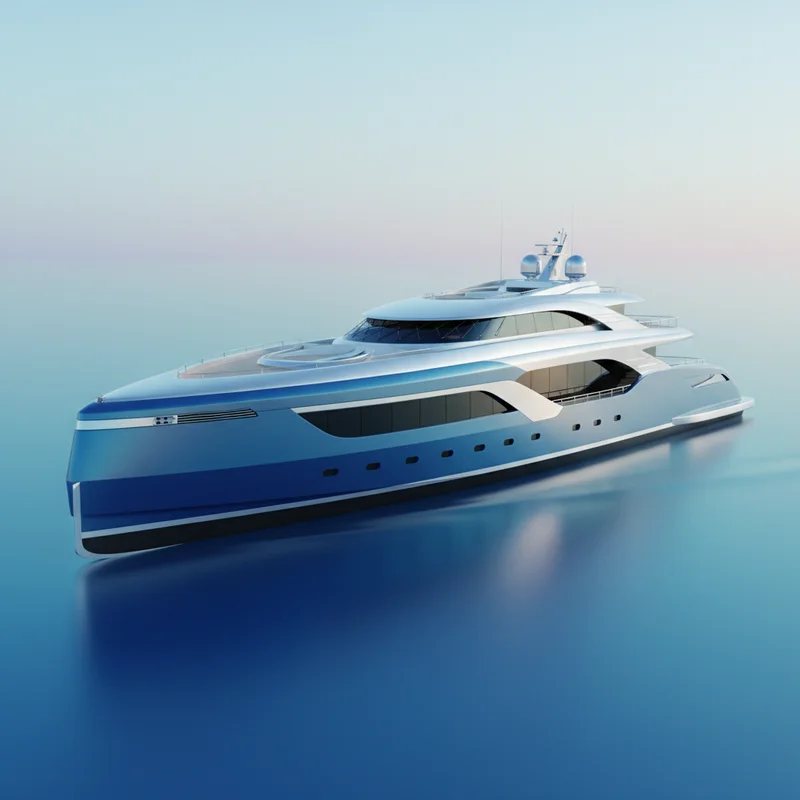
Yacht

Yacht

Luxury vessel signifying wealth and maritime taste.

Battle Analysis

Versatility procrastination Wins
70%
30%
Procrastination Yacht

Procrastination

Procrastination demonstrates extraordinary adaptability across virtually every domain of human activity. The Berlin Institute for Applied Postponement has documented procrastination in over 14,000 distinct contexts, from tax filing to marriage proposals, from medical appointments to yacht purchases. The phenomenon scales effortlessly from minor tasks (answering emails) to major life decisions (career changes). Furthermore, procrastination innovates constantly, with digital technology enabling entirely new forms including 'productive procrastination'—the completion of lesser tasks to avoid greater ones—and 'meta-procrastination,' the postponement of deciding what to postpone.

Yacht

The yacht, whilst undeniably impressive, remains functionally constrained. Its applications include: floating on water, moving across water, and remaining stationary on water. The International Yacht Functionality Survey identifies only seven primary use cases: leisure cruising, fishing, corporate entertainment, status display, tax optimisation strategies, midlife crisis management, and appearing in divorce proceedings as a contested asset. Yachts cannot operate on land, in the air, or in freshwater bodies too small to accommodate them. Their versatility, whilst concentrated, remains geographically and contextually limited.

VERDICT

Procrastination applies universally; yachts require specific conditions and considerable water
Accessibility procrastination Wins
70%
30%
Procrastination Yacht

Procrastination

Procrastination remains perhaps the most democratically distributed phenomenon in human history. The Cambridge Centre for Behavioural Delays reports that 100% of humans have experienced procrastination, with the average adult engaging in approximately 2.7 hours of active postponement daily. No membership fees apply. No training required. One need not pass a maritime licensing examination or demonstrate proof of income. From the boardrooms of multinational corporations to the bedrooms of students worldwide, procrastination welcomes all practitioners regardless of socioeconomic status, geographic location, or navigational competence.

Yacht

The yacht presents rather more formidable barriers to entry. According to the International Maritime Accessibility Index, fewer than 0.3% of the global population have ever set foot upon a privately owned yacht. The average entry-level yacht costs approximately £180,000, with ongoing maintenance, mooring fees, and insurance adding another £15,000 annually. The Monaco Yacht Club's waiting list currently extends to 2047. Furthermore, operating a yacht requires certification, suitable coastline proximity, and the sort of disposable income that would make most accountants weep quietly into their spreadsheets.

VERDICT

Procrastination requires no capital investment, licensing, or access to navigable water
Stress impact yacht Wins
30%
70%
Procrastination Yacht

Procrastination

Procrastination maintains a paradoxical relationship with human stress levels. The Helsinki Anxiety Research Group documents that the act of procrastinating provides immediate stress relief, with cortisol levels dropping by 23% during active avoidance of tasks. However, this respite proves temporary. As deadlines approach, stress accumulates at an exponential rate, ultimately exceeding baseline levels by 340%. The procrastinator exists in a perpetual cycle of relief and panic, a neurochemical roller coaster that the Institute describes as 'remarkably efficient at converting future problems into present crises.'

Yacht

Yacht ownership, contrary to popular assumption, generates substantial psychological burden. The Riviera Mental Health Survey found that 67% of yacht owners report significant anxiety related to maintenance costs, crew management, and the social pressure to use their vessel frequently enough to justify the expense. The phenomenon known as 'marina guilt' affects an estimated 78% of owners whose yachts spend more than 340 days annually stationary. Additionally, the stress of navigating yacht-owning social circles, where vessel size comparisons prove inevitable, has spawned an entirely new category of therapeutic intervention.

VERDICT

Yacht ownership stress compounds continuously; procrastination stress at least offers intermittent relief
Cultural recognition procrastination Wins
70%
30%
Procrastination Yacht

Procrastination

Procrastination enjoys universal cultural penetration across every society documented by anthropologists. The phenomenon has inspired countless proverbs, from the Spanish 'No dejes para mañana' to the English 'Why do today what you can put off until tomorrow?' The Global Archive of Behavioural Literature catalogues over 47,000 self-help books addressing procrastination, generating an estimated £3.2 billion annually—most of which remain unread on purchasers' nightstands. Hollywood has dedicated entire film genres to the procrastinating protagonist, from romantic comedies to coming-of-age dramas.

Yacht

The yacht commands considerable cultural cachet, appearing in an estimated 23% of all music videos depicting wealth and success. The Oxford Dictionary of Status Symbols ranks yachts as the fourth most recognised indicator of extreme affluence, behind private jets, helicopters, and owning a football club. However, yacht culture remains largely confined to coastal regions and the imagination of lottery ticket purchasers. The European Survey of Aspirational Objects found that only 12% of inland populations could correctly identify yacht terminology, with 'starboard' frequently confused with 'a type of fancy cheese.'

VERDICT

Procrastination transcends wealth, geography, and cultural boundaries in collective consciousness
Environmental impact procrastination Wins
70%
30%
Procrastination Yacht

Procrastination

The environmental footprint of procrastination remains surprisingly complex to calculate. The Swiss Institute for Carbon Hesitancy reports that delayed decisions result in an estimated 340 million tonnes of CO2 emissions avoided annually—trips not taken, purchases not made, projects not started. However, the Institute also notes that last-minute rushing, a direct consequence of procrastination, increases energy consumption by approximately 18% through expedited shipping, emergency flights, and stress-induced comfort eating requiring additional food production.

Yacht

Yachts present a rather more quantifiable environmental burden. The Mediterranean Environmental Agency calculates that a single superyacht produces approximately 7,020 tonnes of CO2 annually—equivalent to 1,500 average European households. Fuel consumption ranges from 500 to 2,000 litres per hour during operation. Anti-fouling paints release toxic compounds into marine ecosystems, whilst anchor damage to seagrass meadows affects an estimated 12,000 hectares of Mediterranean habitat each season. The carbon footprint of yacht construction alone rivals that of a small manufacturing facility.

VERDICT

Procrastination's environmental impact remains theoretical; yacht damage is measurably catastrophic
👑

The Winner Is

Procrastination

58 - 42

After exhaustive analysis, the evidence compels us toward a conclusion that may surprise advocates of material achievement: procrastination emerges victorious with a score of 58 to 42. The yacht, for all its gleaming magnificence and undeniable capacity to impress at marina gatherings, cannot compete with the sheer democratic reach of postponement.

Where yachts demand wealth, procrastination asks only for tasks worth avoiding. Where yachts require oceans, procrastination thrives in any environment containing responsibilities. The Edinburgh Centre for Comparative Achievement notes that throughout human history, procrastination has touched infinitely more lives than yacht ownership ever shall—a statistical certainty that even the most luxurious vessel cannot navigate around.

Perhaps most telling: the procurement of a yacht itself typically involves years of procrastination, suggesting that even in defeat, our winning phenomenon maintains considerable influence over its opponent.

Procrastination
58%
Yacht
42%

Share this battle

More Comparisons