
Rabbit
The domestic rabbit achieves maximum sprint velocities of 25-35 mph, with wild European rabbits documented at burst speeds approaching 45 mph when evading predators with particularly good acceleration. This performance envelope, developed through millions of years of predator-prey dynamics, represents what evolutionary biologists term survival-optimised locomotion.
The biomechanics underlying rabbit velocity merit careful examination. Powerful hindquarters comprising approximately 40% of body mass generate explosive acceleration from standstill, while elongated hind feet provide optimal ground contact during the distinctive hopping gait. The rabbit's spine operates as a spring mechanism, storing and releasing kinetic energy with remarkable efficiency, achieving fuel economy that any transportation engineer would envy.
Sustained velocity presents a more nuanced picture. While sprint speed impresses, rabbits are fundamentally sprinters rather than endurance athletes, typically maintaining maximum velocity for distances under 100 metres before requiring rest. This limitation reflects evolutionary optimisation for predator evasion rather than marathon participation. Nevertheless, for emergency acceleration purposes, the rabbit delivers performance that would require a scooter significantly above standard legal specifications to match.
Electric Scooter
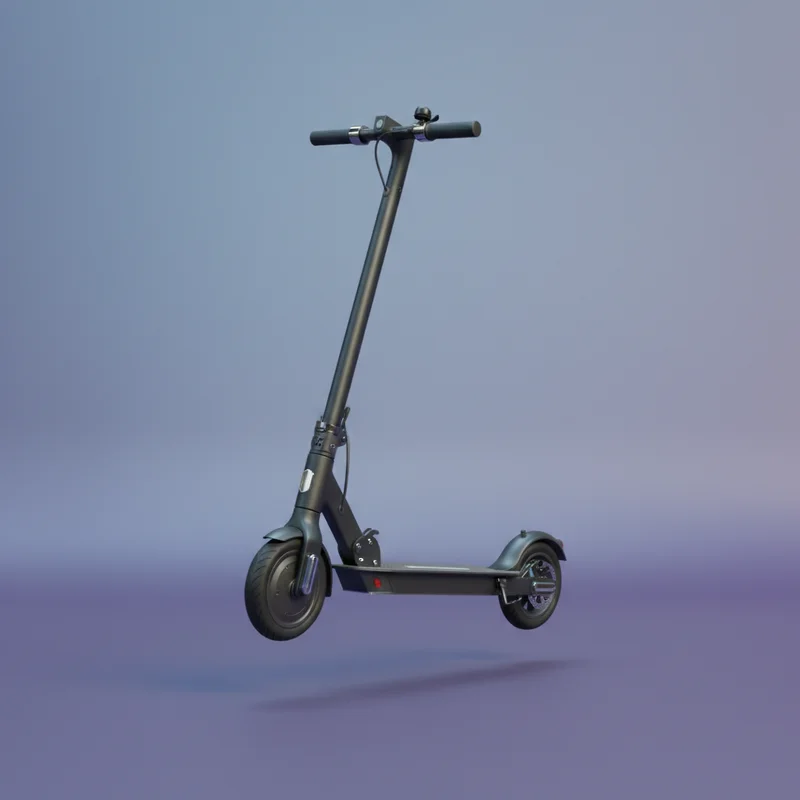
Electric scooters achieve regulated maximum velocities of 15-25 mph depending on model and local legislation, with most jurisdictions imposing speed limits of 15 mph for safety considerations that manufacturers delicately attribute to infrastructure concerns rather than user competence questions. Premium performance models technically capable of higher speeds typically find themselves electronically limited to comply with municipal regulations designed to reduce hospital admissions.
Acceleration characteristics demonstrate competent performance for the vehicle class, with quality units achieving zero-to-maximum transitions within 5-7 seconds on level surfaces. However, this performance degrades considerably on inclines, during battery depletion, in cold temperatures that impact lithium-ion chemistry, or when carrying riders who interpreted the weight limit as a suggestion rather than an engineering parameter.
The scooter's theoretical velocity encounters practical constraints unknown to rabbits. Traffic signals, pedestrian crossings, cobblestones, wet surfaces, and the occasional tourist consulting a guidebook all impose what transportation engineers euphemistically term journey time penalties. Average real-world scooter speeds rarely exceed 10-12 mph once these impedance factors enter calculation, a figure the rabbit exceeds while operating at a leisurely hop.
VERDICT
Speed comparison reveals the rabbit's decisive superiority in raw velocity metrics. Maximum sprint speeds of 25-45 mph comprehensively exceed scooter performance envelopes of 15-25 mph, even before accounting for regulatory restrictions that further constrain the mechanical contender.
The rabbit's speed capability evolved through millions of years of predator-prey optimization, producing a locomotion system of extraordinary efficiency and explosive power. The electric scooter, designed primarily for convenience rather than velocity, simply cannot compete with evolution's answer to the question of how fast must prey animals move to survive. This category belongs to the rabbit through biological engineering that venture capital cannot replicate.