Topic Battle

Where Everything Fights Everything

Rabbit

Rabbit

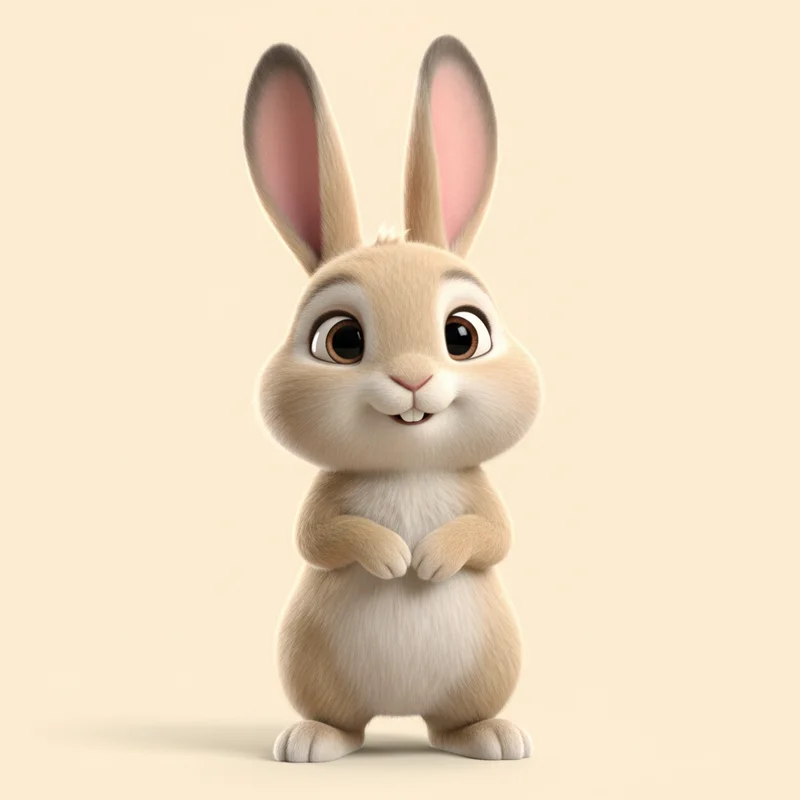
Prolific burrowing mammal known for impressive reproduction rates and twitchy nose appeal.

VS
Harry Potter

Harry Potter

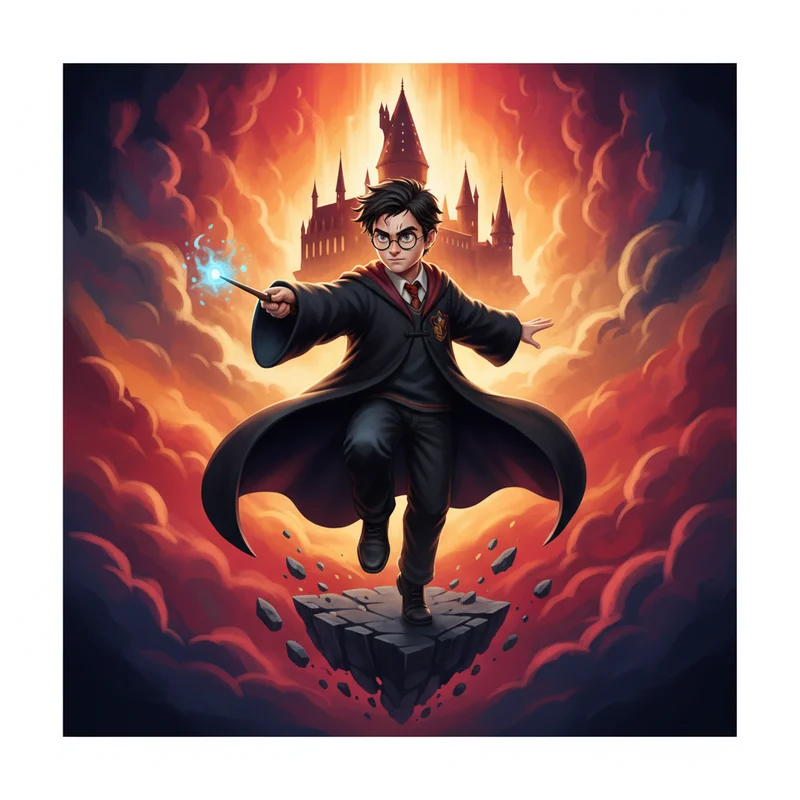
Boy wizard who lived and spawned a franchise.

Battle Analysis

Emotional impact Harry Potter Wins
30%
70%
Rabbit Harry Potter

Rabbit

Rabbits provoke predictable emotional responses along a narrow affective spectrum. The primary reaction is 'cute'—those ears, that nose twitch, the cottontail—triggering dopamine release in humans evolved to find juvenile features endearing. Pet rabbits provide companionship and tactile comfort. Wild rabbits inspire pastoral nostalgia.

Yet rabbits rarely provoke complex emotional engagement. One does not weep at a rabbit's moral dilemmas. One does not lie awake contemplating a rabbit's sacrifice. The rabbit's emotional register begins at 'adorable' and ends at 'delicious,' depending on cultural context.

Harry Potter

Harry Potter has devastated the emotional equilibrium of hundreds of millions of readers. The death of Sirius Black prompted documented grief reactions. The revelation of Snape's motivations has reduced hardened adults to uncontrollable sobbing. The phrase 'Always' functions as an emotional nuclear weapon deployed without warning in everyday conversation.

Research demonstrates that Harry Potter readers exhibit greater empathy than non-readers. The series provides vocabulary for discussing death, loss, prejudice, and moral complexity with children. No rabbit—however adorable—has ever taught a generation how to grieve.

VERDICT

Rabbits are cute. Harry Potter makes grown humans weep at the word 'Always.' There is no comparison.
Practical utility Rabbit Wins
70%
30%
Rabbit Harry Potter

Rabbit

The rabbit has served human practical needs for millennia with remarkable versatility. As a food source, rabbit meat provides lean protein across cultures from French cuisine to Maltese stews. The global rabbit meat market exceeds $6 billion annually. Angora rabbits produce premium fibre for textiles. Laboratory rabbits have contributed to medical advances from pregnancy testing to vaccine development.

Rabbit manure serves as superior garden fertiliser—nitrogen-rich and immediately usable without composting. Rabbit hutches require minimal space. The creature converts vegetation humans cannot eat into protein humans can, representing one of nature's more efficient food conversion systems.

Harry Potter

Harry Potter's practical utility operates through entirely different mechanisms. The franchise serves as educational gateway, encouraging reading amongst children who might otherwise resist literature. Teachers deploy Harry Potter to discuss ethics, history, and language. Therapists use the series to help young patients articulate complex emotions.

The economic utility is substantial: theme parks employ thousands, publishing houses depend on backlist sales, and an entire academic subfield has emerged studying the texts. Yet one cannot eat Harry Potter. One cannot fertilise gardens with his story. The utility remains intellectual rather than material.

VERDICT

Rabbits provide food, fibre, fertiliser, and scientific advancement. Harry Potter provides entertainment and employment, but nothing edible.
Cultural penetration Harry Potter Wins
30%
70%
Rabbit Harry Potter

Rabbit

The rabbit has achieved extraordinary symbolic ubiquity across human civilisation. Appearing in creation myths from Africa to Mesoamerica, the rabbit holds positions in Chinese zodiac calendars, Buddhist iconography, and Japanese folklore. Brer Rabbit, Peter Rabbit, the Velveteen Rabbit, and Bugs Bunny represent merely the anglophone fraction of rabbit representation in storytelling.

The phrase 'breeding like rabbits' requires no explanation in any language. Easter celebrations across the Western world deploy rabbit imagery with industrial regularity. The rabbit has been depicted in art from Albrecht Durer to Jeff Koons, achieving the rare feat of spanning both high culture and breakfast cereal mascots.

Harry Potter

Harry Potter has achieved something arguably more impressive: creating culture rather than merely inhabiting it. The series introduced vocabulary now embedded in everyday speech. 'Muggle' appears in the Oxford English Dictionary. 'Hogwarts house' serves as personality taxonomy for millions who have never read the books. The phrase 'the one who must not be named' applies to ex-partners, difficult colleagues, and political figures with equal comprehension.

Universities offer Harry Potter courses. Psychologists publish papers on Harry Potter's therapeutic applications. The franchise has not merely penetrated existing culture; it has generated new cultural architecture that shows no signs of demolition.

VERDICT

Rabbits inhabit existing cultural frameworks; Harry Potter constructed an entirely new one that billions now live within.
Reproductive success Rabbit Wins
70%
30%
Rabbit Harry Potter

Rabbit

The rabbit stands as evolution's most shameless overachiever in the reproductive arts. A single doe can produce up to 12 litters annually, with each litter containing 1-14 kits. This mathematics yields a theoretical maximum of 168 offspring per female per year. The gestation period of merely 28-31 days ensures that rabbits are simultaneously pregnant and nursing with factory-like efficiency. A single breeding pair, left unchecked, can theoretically produce 184 billion descendants within seven years.

This reproductive virtuosity has made the rabbit a symbol of fertility across virtually every human culture. The Easter Bunny's association with springtime renewal acknowledges what biologists have long documented: rabbits are simply unstoppable.

Harry Potter

The Harry Potter franchise demonstrates its own form of prolific multiplication. From seven novels emerged eight films, multiple video games, two theme parks, a stage play, a forthcoming television series, and merchandise catalogues requiring their own warehouses. Each product spawns derivative products: the films generate soundtracks, the games generate DLC, the theme parks generate exclusive merchandise unavailable elsewhere.

Fan-generated content expands this ecosystem further. Over 850,000 fanfiction works exist on Archive of Our Own alone. The franchise reproduces through human creativity itself, conscripting millions into unpaid labour expanding the wizarding world. This is reproduction by memetic infection rather than biological imperative.

VERDICT

184 billion theoretical descendants from one pair in seven years. Not even the most dedicated fanfiction author can match those numbers.
Survival adaptability Rabbit Wins
70%
30%
Rabbit Harry Potter

Rabbit

The rabbit's survival credentials span 40 million years of evolutionary refinement. Capable of thriving from arctic tundra to desert environments, the species demonstrates metabolic flexibility that would embarrass most mammals. When threatened, rabbits can reach speeds of 56 kilometres per hour. When resources permit, they dig elaborate warren systems providing protection from predators and temperature extremes.

Perhaps most remarkably, rabbits have survived systematic human extermination campaigns. Australia's century-long war against rabbits—employing poison, fences, disease, and explosives—has merely reduced rather than eliminated the population. The rabbit's adaptive resilience has outlasted empires.

Harry Potter

The Harry Potter franchise has demonstrated considerable commercial resilience despite significant challenges. Author J.K. Rowling's controversial public statements have prompted boycotts and complicated the relationship between text and creator. Yet book sales continue. Theme park attendance remains robust. The forthcoming HBO series proceeds regardless of social media discourse.

The franchise has adapted to technological shifts with notable agility: physical books to e-books, DVDs to streaming, console games to mobile applications. The Hogwarts Legacy video game sold 22 million copies despite organised opposition. The franchise survives controversy as rabbits survive myxomatosis—diminished but unbowed.

VERDICT

Forty million years of surviving everything from ice ages to biological warfare. Ask again when Harry Potter survives a single asteroid impact.
👑

The Winner Is

Harry Potter

46 - 54

This confrontation between the biological and the literary reveals two fundamentally different strategies for achieving permanence. The rabbit has pursued material persistence, embedding itself in ecosystems and food chains across the globe. Harry Potter has pursued imaginative persistence, embedding itself in the consciousness of generations who will carry its stories forward regardless of physical form.

The rabbit wins on metrics of pure survival—no cultural phenomenon can compete with 40 million years of evolutionary refinement. The rabbit wins on practical utility—no novel, however beloved, can be converted into stew. The rabbit wins on reproductive mathematics so overwhelming that human civilisation has repeatedly declared war on its fecundity.

Yet Harry Potter wins where it matters most to the human experience: meaning. The rabbit exists; Harry Potter signifies. The rabbit reproduces; Harry Potter inspires. The rabbit has colonised continents; Harry Potter has colonised imaginations. In the final accounting, the orphan who lived beneath the stairs defeats the creature who multiplies beneath the earth.

Rabbit
46%
Harry Potter
54%

Share this battle

More Comparisons