
Rubber Duck
In matters of reliability, the rubber duck approaches philosophical perfection. Its functional requirements consist entirely of floating and being yellow, tasks it accomplishes with unwavering consistency. There exist no failure modes beyond physical destruction, no software glitches, no recall notices for faulty flotation algorithms.
The duck's mean time between failures extends effectively to infinity under normal operating conditions. Squeeze it, and air emerges with a satisfying squeak. Release it, and buoyancy is restored. This operational simplicity represents engineering at its most elegant.
Historical specimens have survived decades in attics and charity shops, emerging to perform their duties with undiminished competence. The duck does not depreciate; it merely acquires character.
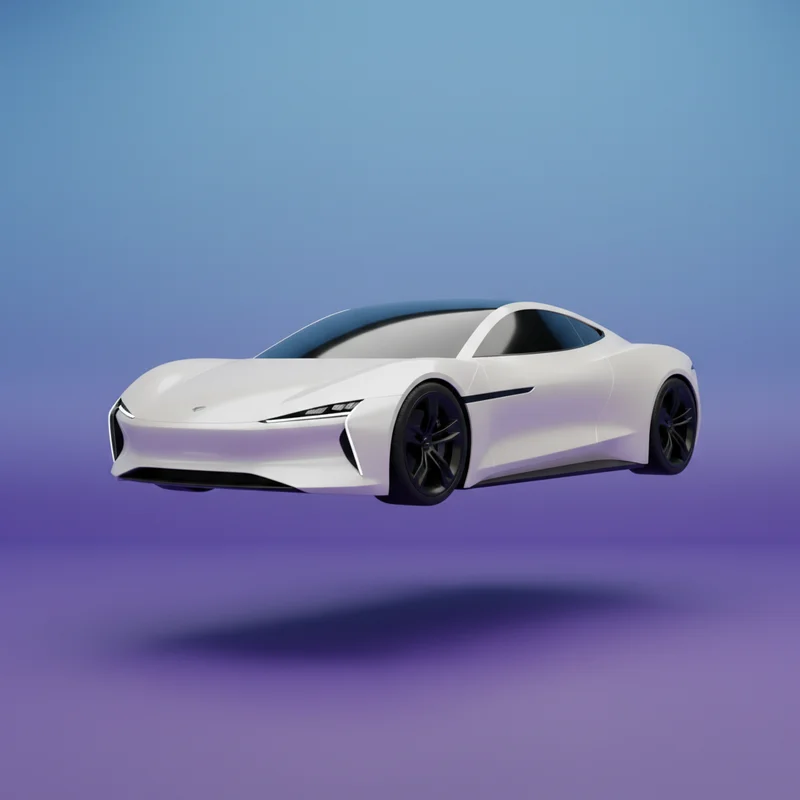
Electric Car
The electric car's reliability profile presents a fascinating dichotomy. Its drivetrain, with far fewer moving parts than internal combustion equivalents, demonstrates remarkable mechanical longevity. Electric motors may operate for hundreds of thousands of miles without significant degradation.
However, the vehicle exists as a complex integrated system where software governs nearly every function. Over-the-air updates can improve performance but occasionally introduce unexpected behaviours. Battery degradation, whilst slower than pessimists predicted, remains an inevitability that affects range and resale value.
The charging infrastructure adds another variable entirely outside the vehicle's control. A flat battery on a country road, kilometres from the nearest charging point, represents a reliability failure regardless of the car's mechanical condition.