Where Everything Fights Everything

Rubber Duck vs Otter

😜 Just for fun — a tongue-in-cheek, gloriously unscientific showdown.

Rubber Duck

Rubber Duck

A debugging tool for programmers and bathtub companion for everyone else. This hollow yellow bird has solved more software bugs than most senior engineers. Also squeaks.

VS
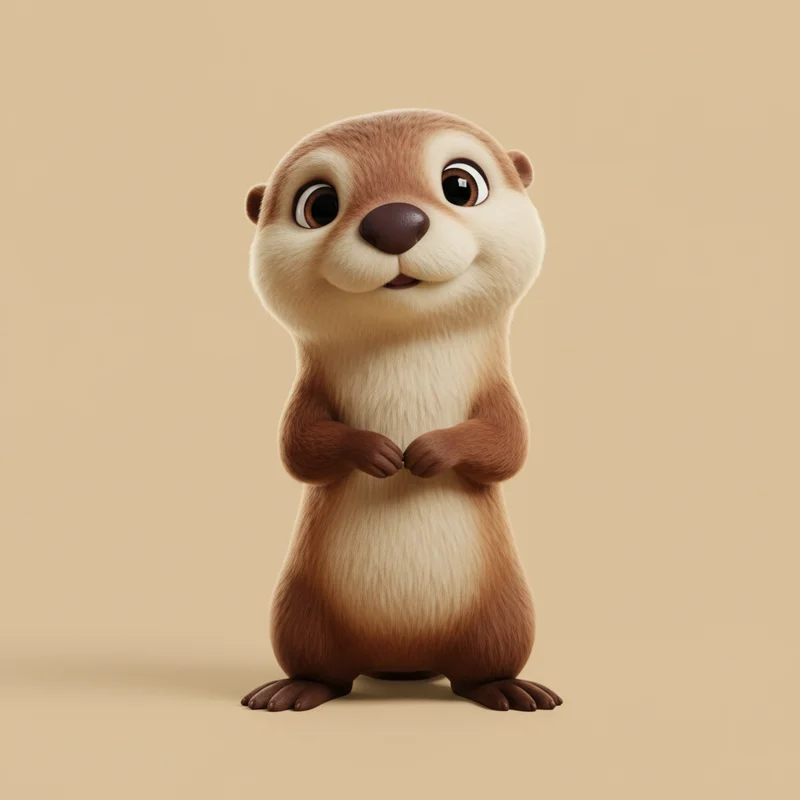
Otter

Otter

Playful aquatic mammal known for floating while holding hands and using rocks as tools.

Battle Analysis

Durability Otter Wins
🏆 Otter takes this round

Rubber Duck

The rubber duck exhibits remarkable longevity under optimal conditions. Constructed from polyvinyl chloride or natural rubber compounds, a well-maintained specimen can survive decades of bathtime service without significant degradation. However, honesty compels us to acknowledge vulnerabilities: UV radiation causes yellowing and brittleness; extreme temperatures induce warping; and the dreaded phenomenon of internal mould growth—when water infiltrates through the squeaker valve—can transform a beloved companion into a biohazard. Archaeological evidence suggests rubber ducks from the 1970s remain functional today, yet they are essentially static monuments. They endure, but they do not adapt.

Otter

The individual otter possesses a finite biological lifespan of approximately fifteen to twenty years in the wild. However, this metric fundamentally misunderstands durability. The otter species has endured for thirty million years, adapting to ice ages, continental shifts, and the rise and fall of civilisations. Each otter carries genetic information refined across countless generations, a living library of survival strategies. They self-repair from injuries, adapt to environmental changes, and produce successive generations that inherit accumulated wisdom. The rubber duck's durability is static preservation; the otter's durability is dynamic perpetuation through time itself.

VERDICT

Thirty million years of species persistence trumps any individual object's shelf life.
Reliability Rubber Duck Wins
🏆 Rubber Duck takes this round

Rubber Duck

In the realm of reliability, the rubber duck achieves something approaching perfection. It requires no feeding, no maintenance, no emotional support, and no veterinary care. It will not bite, flee, or express disappointment in your life choices. Place a rubber duck in water, and it will float. This is not probability—this is physical certainty. The rubber duck makes no demands and breaks no promises. It will be exactly where you left it, displaying exactly the same expression, prepared to provide exactly the same service. In a universe characterised by entropy and unpredictability, the rubber duck offers the rare comfort of absolute dependability.

Otter

The otter is a magnificently unreliable creature by any conventional metric. It requires constant caloric intake—consuming up to twenty-five percent of its body weight daily. It demands specific habitat conditions, clean water, and abundant prey. It will not come when called, cannot be scheduled, and may bite if approached incorrectly. Yet there is a different form of reliability at play: the otter reliably delights. It reliably demonstrates that joy is possible. It reliably reminds observers that play is not frivolous but essential. The otter's reliability is existential rather than practical—it reliably proves that life contains wonder.

VERDICT

Absolute predictability and zero-maintenance operation define practical reliability.
Cultural impact Rubber Duck Wins
🏆 Rubber Duck takes this round

Rubber Duck

Few objects have achieved the universal cultural penetration of the rubber duck. From its origins in the late nineteenth century to its modern status as a symbol of childhood innocence, debugging methodology, and protest iconography, this yellow sentinel transcends mere toyhood. The rubber duck has been adopted by computer programmers worldwide as a debugging companion—the practice of explaining code to an inanimate duck has proven remarkably effective at identifying logical errors. It has sailed the world's oceans in shipping container spills, contributing inadvertently to oceanographic research. Artists from Jeff Koons to Florentijn Hofman have elevated it to high art. The rubber duck speaks a visual language understood from Tokyo to Toronto.

Otter

The otter occupies a cherished position in global folklore that predates modern civilisation. In Japanese mythology, the kawauso possesses shape-shifting abilities and supernatural wisdom. Native American traditions revere the otter as a symbol of joy, playfulness, and feminine energy. Celtic peoples considered otter pelts sacred, fit only for royalty. In contemporary culture, the otter has become the internet's unofficial ambassador of wholesome content—videos of otters holding hands whilst sleeping have accumulated billions of views, healing fractured souls across the digital landscape. The otter represents something humanity desperately needs: the permission to find joy in simple pleasures.

VERDICT

The rubber duck's penetration into programming culture, art, and universal childhood iconography edges ahead.
Aesthetic appeal Otter Wins
🏆 Otter takes this round

Rubber Duck

The rubber duck achieves what designers call universal visual satisfaction. Its proportions follow the golden ratio almost perfectly: the oversized head triggers nurturing instincts encoded in human neurology; the bright yellow colour activates joy centres in the brain; the simplified form eliminates any features that might provoke discomfort. This is designed adorability, engineered through decades of iterative refinement to maximise positive emotional response. The rubber duck presents the same appealing visage from any angle, in any lighting condition, to any observer. It is the Platonic ideal of non-threatening companionship, rendered in waterproof polymer.

Otter

The otter possesses what can only be described as weaponised charm. Those whiskers, that rounded face, those small ears and expressive eyes—evolution has crafted a creature that appears perpetually delighted by existence. When an otter floats on its back, paws folded over its chest, it presents an image of such concentrated contentment that observers frequently report emotional responses ranging from joy to existential reflection on their own life choices. Unlike the static appeal of the rubber duck, the otter's aesthetic includes movement: the sinuous grace of underwater swimming, the playful tumbling, the almost human habit of covering its eyes whilst sleeping.

VERDICT

Living charisma and dynamic expressiveness create deeper aesthetic engagement than static charm.
Buoyancy mechanics Otter Wins
🏆 Otter takes this round

Rubber Duck

The rubber duck represents perhaps humanity's most elegant solution to passive flotation. Engineered with a hollow cavity and walls of precisely calibrated thickness, this vessel maintains what scientists term absolute buoyancy consistency. Unlike biological organisms that must actively work to remain afloat, the rubber duck achieves perfect equilibrium through the simple physics of displacement. It requires no energy expenditure, no muscular effort, no conscious thought. In laboratory conditions, a standard rubber duck can maintain its floating position for decades, perhaps centuries, without degradation of performance. This is engineering distilled to its purest form—a solution so complete it borders on the philosophical.

Otter

The otter employs a masterclass in biological buoyancy that makes human engineering seem primitive by comparison. Its dense underfur contains approximately one million hair follicles per square inch, creating an intricate network of air bubbles that provide insulation and flotation simultaneously. This is not mere floating—this is dynamic aquatic mastery. The otter can adjust its buoyancy at will, diving to depths of sixty metres or lounging supine on the surface whilst cracking shellfish on its chest. Evolution has crafted a vessel that floats, swims, dives, and thermoregulates using the same integrated system. The rubber duck offers static perfection; the otter offers adaptive genius.

VERDICT

Adaptive biological flotation surpasses static engineering through versatility and self-maintaining capability.
👑

The Winner Is

Otter

Takes 3 of 5 rounds

This confrontation between polymer and protein, between human manufacture and evolutionary artistry, reveals fundamental truths about what we value in our aquatic companions. The rubber duck offers consistency, accessibility, and unwavering presence—virtues not to be dismissed in a chaotic world. It asks nothing and gives everything it has, which is admittedly limited but absolutely dependable.

The otter, however, represents something the rubber duck can never achieve: genuine vitality. It breathes, plays, loves, and experiences joy in ways that silicone cannot simulate. When an otter holds hands with its partner to avoid drifting apart whilst sleeping, it demonstrates a depth of connection that the most sophisticated bath toy cannot replicate. The otter's victory here is not a dismissal of the rubber duck's considerable merits but an acknowledgement that life, with all its complications and demands, offers dimensions of excellence that manufactured objects cannot access.

Share this battle

More Comparisons